Understanding Hair Problems: A Comprehensive Guide to Types, Causes and Homeopathic Remedies for Hair Problems
Hair is often described as our crowning glory, but for millions of people worldwide, it can also be a source of constant worry and frustration. Hair problems range from mild shedding to complete baldness, and they affect men and women of all ages. While genetics play a significant role, lifestyle factors, emotional health, and underlying medical conditions equally contribute to hair concerns. This article explores the various types of hair problems, their symptoms and causes, the effects they have on daily living, prevention strategies, and the homeopathic approach to treatment.
Types of Hair Problems
Hair problems can be broadly classified into several categories, each with distinct characteristics and underlying mechanisms.
Androgenetic alopecia is the most common form of hair loss, often referred to as male pattern baldness or female pattern hair loss. In men, this typically begins with a receding hairline and thinning at the crown, eventually leading to partial or complete baldness. Women usually experience diffuse thinning over the top of the scalp without complete baldness.
Alopecia areata is an autoimmune condition where the immune system attacks hair follicles, resulting in small, round patches of hair loss. In some cases, this can progress to alopecia totalis, which is the loss of all hair on the scalp, or alopecia universalis, involving total body hair loss.
Telogen effluvium occurs when a significant physical or emotional stress pushes large numbers of hair follicles into a resting phase. Within a few months, affected hairs fall out suddenly during washing or combing. This condition is usually temporary but can become chronic if the triggering stress remains unresolved.
Traction alopecia develops from prolonged tension on the hair shaft due to tight hairstyles like braids, ponytails, cornrows, or hair extensions. If recognized early, it is reversible, but chronic traction can cause permanent scarring and hair loss.
Cicatricial alopecia, also known as scarring alopecia, involves inflammation that destroys hair follicles and replaces them with scar tissue. This group of rare disorders can be caused by various conditions including lupus erythematosus and lichen planopilaris.
Trichotillomania is a psychological disorder where individuals compulsively pull out their own hair, leading to patchy hair loss. This is classified as an impulse control disorder and often requires behavioral interventions alongside medical treatment.
Seborrheic dermatitis affects the scalp, causing flaking, itching, and sometimes temporary hair thinning due to inflammation. While not a permanent hair loss condition, the persistent discomfort and shedding can be distressing.
Symptoms Associated with Hair Problems
Recognizing the symptoms early can make a significant difference in treatment outcomes. Gradual thinning on top of the head is the most common symptom in both aging men and women. Circular or patchy bald spots, about the size of a coin, often appear suddenly and may be accompanied by itching or burning sensations before the hair actually falls out.
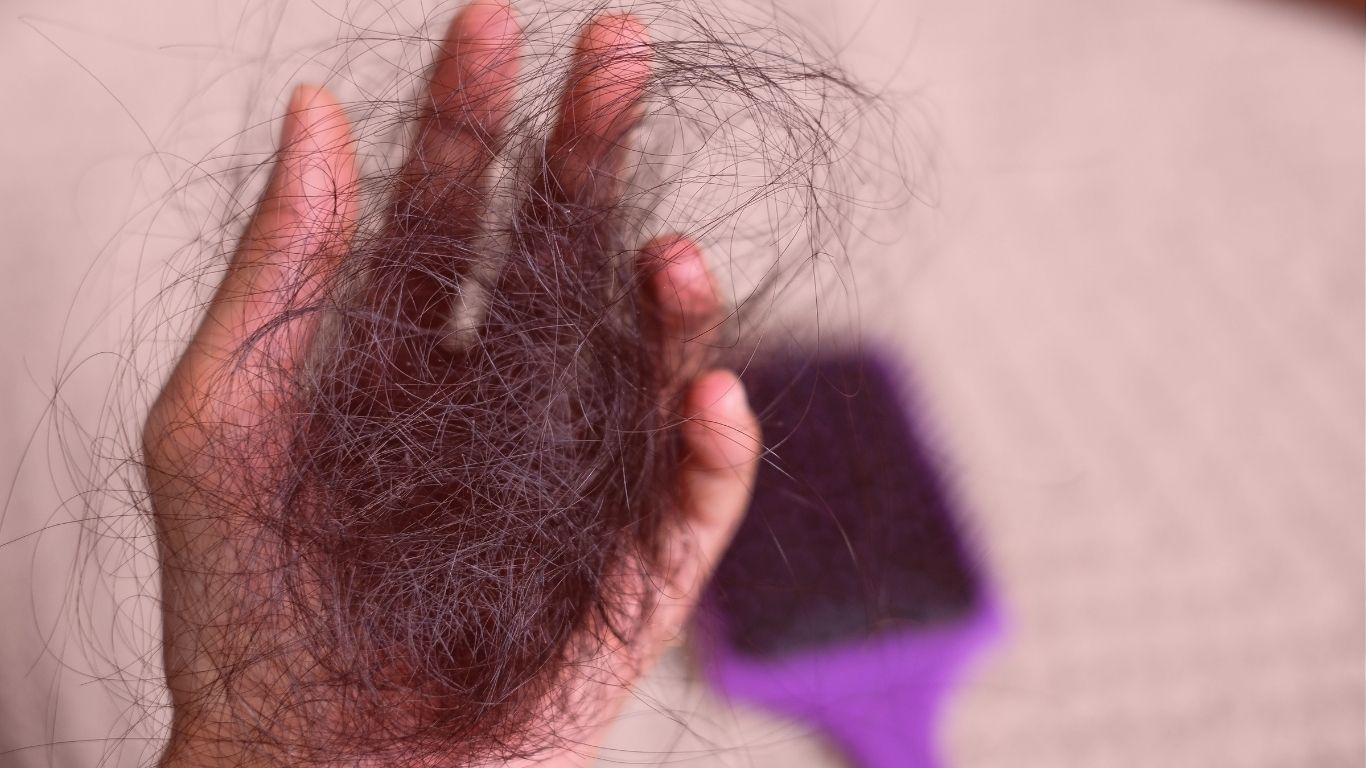
Sudden loosening of hair is a hallmark of telogen effluvium. You might notice handfuls of hair coming out when showering or brushing. This symptom typically appears two to three months after a triggering event such as high fever, surgery, significant weight loss, or extreme emotional stress.
Full body hair loss can occur as a result of medical treatments like chemotherapy for cancer, though this is usually temporary. Some autoimmune conditions also cause widespread shedding beyond the scalp.
Patches of scaling that spread over the scalp suggest ringworm or tinea capitis. These patches may be red, swollen, and occasionally oozing, often accompanied by broken hairs and brittle strands.
A receding hairline that forms a characteristic M shape is typical in male pattern baldness, while women usually notice a widening part and thinning at the crown without recession at the front.
Underlying Causes of Hair Disorders
The causes of hair problems are remarkably diverse, ranging from genetic predisposition to environmental triggers. Genetic factors play a dominant role in androgenetic alopecia. Specific genes inherited from either parent influence how sensitive your hair follicles are to dihydrotestosterone, a derivative of testosterone that shrinks follicles over time.
Hormonal changes represent another major category of causes. Pregnancy, childbirth, menopause, and thyroid imbalances can all trigger significant hair shedding. Polycystic ovary syndrome, characterized by elevated androgen levels, frequently leads to female pattern hair thinning. Stopping oral contraceptives also causes temporary shedding as hormone levels readjust.
Medical conditions directly affect hair growth cycles. Thyroid disease, whether overactive or underactive, disrupts the normal rhythm of hair follicles. Scalp infections like ringworm invade the hair shaft itself. Autoimmune diseases including alopecia areata and lupus cause the immune system to mistakenly target healthy follicles.
Physical stress on the body often manifests in hair loss approximately three months after the event. High fevers, major surgeries, severe infections, rapid weight loss, and eating disorders all fall into this category. Even nutritional deficiencies, particularly iron, zinc, biotin, and protein, can interrupt hair production.
Emotional and psychological stress should not be underestimated as a cause. Chronic anxiety, depression, sleep deprivation, and life crises elevate cortisol levels, which pushes more follicles into the resting phase. This creates a frustrating cycle where hair loss causes further distress, perpetuating the shedding.
Medications and treatments are frequently overlooked causes. Chemotherapy drugs are notorious for causing sudden, dramatic hair loss. Blood thinners, antidepressants, beta-blockers for blood pressure, nonsteroidal anti-inflammatory drugs, and high doses of vitamin A can all contribute to thinning.
Hairstyling practices cause damage through mechanical means. Excessive heat from blow dryers and straightening irons weakens the protein structure of hair. Chemical treatments including perms, relaxers, and colorants can cause breakage and, if misused, chemical burns that damage follicles permanently.
Effects of Hair Problems on Daily Life
While hair loss is not physically painful in most cases, its psychological impact can be profound. Many individuals report a significant decline in self esteem and body image. Social anxiety often develops, leading people to avoid swimming, windy days, bright lighting, or any situation where their hair condition might be noticeable.
Career implications exist as well, particularly in professions where appearance is tied to public perception. Sales professionals, media personalities, and those in client facing roles sometimes worry that thinning hair affects their credibility or approachability.
Relationships can suffer when individuals become preoccupied with their hair loss. Some people withdraw from romantic partnerships, fearing rejection or judgment. Intimacy may decline because of embarrassment about exposing the scalp or patches of missing hair.
Depression and anxiety disorders are common complications. The constant checking of mirrors, counting of hairs in the shower drain, and obsessive comparison with others can consume hours of mental energy each day. In severe cases, body dysmorphic disorder develops, where the perceived flaw becomes the central focus of daily existence.
Financial burden is another effect often ignored. People spend substantial amounts on hair thickening products, wigs, hairpieces, special shampoos, supplements, and clinical treatments. Those pursuing surgical options like hair transplantation face even greater expenses.
Prevention Strategies for Healthy Hair
Prevention begins with understanding that some hair loss cannot be avoided, especially genetic forms. However, many types of shedding and thinning are preventable through consistent, sensible practices.
Nutrition forms the foundation of hair health. A diet rich in lean proteins provides the amino acids necessary for keratin production. Iron rich foods including spinach, lentils, and red meat prevent anemia related shedding. Omega 3 fatty acids from fish and flaxseeds support scalp circulation. Biotin, found in eggs and nuts, strengthens the hair shaft. Zinc and selenium from seafood and whole grains protect follicles from oxidative damage.
Gentle hair care habits make an enormous difference over time. Use a wide toothed comb on damp hair rather than a brush on wet strands, which is when hair is most vulnerable to breakage. Avoid towel drying vigorously; instead, blot gently or allow air drying whenever possible. Limit heat styling to two or three times weekly at most, and always apply a heat protectant product first.
Choose hairstyles that minimize tension. Avoid tight ponytails, buns, braids, or cornrows that pull at the hairline. If you regularly wear extensions or weaves, give your scalp breaks of several weeks between applications. Sleep on a silk or satin pillowcase, which creates less friction than cotton.
Manage stress through proven techniques. Regular aerobic exercise reduces circulating cortisol levels. Mindfulness meditation has been shown in studies to lower stress hormones. Adequate sleep, ideally seven to eight hours nightly, allows the body to regulate metabolic processes involved in hair growth. Journaling, therapy, and social connection also buffer against stress induced shedding.
Be cautious with chemical treatments. Space out coloring, perming, and relaxing procedures by at least eight weeks. Always perform patch tests before full application. Consider switching to gentler products like semi permanent dyes or ammonia free formulas. Deep conditioning treatments after any chemical service help restore moisture and protein.
Protect hair from environmental damage. Wear hats or scarves in intense sunlight, as UV radiation degrades the protein structure of hair. Rinse hair after swimming in chlorinated pools or salt water, as both can dry and weaken strands. Use a leave in conditioner with UV protection for daily defense.
Homeopathic Remedies for Hair Problems
Homeopathy offers a distinct approach to hair disorders, based on the principle of treating the whole person rather than just the local symptom. Homeopathic remedies are selected according to the individual’s unique symptom picture, including emotional state, lifestyle factors, and specific characteristics of their hair loss.
It must be stated clearly that homeopathy lacks robust scientific evidence from large scale clinical trials. The mechanisms proposed by homeopathy contradict established principles of chemistry and physics. However, many individuals report positive experiences, and the remedies are generally safe when used appropriately. Always consult a qualified medical professional for any persistent hair loss, as some causes require conventional medical treatment.
For hair loss following emotional shock or grief, Ignatia amara is often indicated. The person needing Ignatia typically alternates between laughing and crying, sighs frequently, and feels a lump in the throat. Their hair loss began after a specific distressing event such as betrayal, death of a loved one, or romantic disappointment.
Calcarea carbonica suits individuals who are fair, flabby, and easily fatigued. They tend to sweat profusely on the scalp, especially at night. They feel worse from cold and exertion, better from dry weather. Their hair loss often accompanies poor nail health, chilliness, and anxiety about health in general.
Lycopodium clavatum is indicated for premature greying and thinning that begins at the temples. These individuals typically have digestive issues, especially bloating and gas. They crave sweets and warm drinks, feel worse between four and eight in the evening, and may have a domineering personality that masks deep insecurity.
For patchy baldness from alopecia areata, Vinca minor is sometimes used. The person often has intense itching of the scalp before the patches appear. They may also have dandruff that forms thick, adhesive crusts. This remedy is also considered for hair loss with excessive hair growth elsewhere on the body.
Phosphorus suits fair skinned, slender people who are sensitive and affectionate. They fear being alone, love thunder and bright lights, and bleed easily. Their hair loss often occurs in large clumps, and they may have burning sensations on the scalp. They crave cold drinks, ice cream, and salty foods.
Alopecia following childbirth or breastfeeding often responds to Natrum muriaticum. These individuals are reserved, dislike consolation, and crave salt. They may have a history of suppressed grief or chronic disappointment. Their hair loss is accompanied by dry skin, cracked lips, and a sensation of a cobweb on the face.
For dandruff related hair thinning, Thuja occidentalis is frequently prescribed. The scalp feels painful and sensitive, with white, scaly dandruff that looks like stuck on patches. The hair itself becomes dry and splits easily. This remedy also suits individuals who feel as though something alive is moving inside them.
Seborrheic dermatitis with greasy, yellowish scales and intense itching may indicate Graphites. These individuals tend to be overweight, chilly, and constipated. They have thick, brittle nails and may develop eczema in body folds. Their skin cracks easily and exudes a sticky fluid.
Homeopathic treatment is highly individualized. A professional homeopath takes a detailed case history lasting an hour or more, considering sleep patterns, food cravings, temperature preferences, emotional tendencies, and past medical history. The selected remedy is typically given as small sugar pellets dissolved under the tongue, repeated at intervals ranging from daily to weekly.
While awaiting consultation, simple supportive measures include using gentle, fragrance free shampoos, avoiding excessive washing which strips natural oils, and maintaining a nutritious diet. No homeopathic remedy should replace medical evaluation for sudden or severe hair loss, as this can signal serious underlying illness.
When to Seek Professional Help
Not every lost hair requires medical attention. Shedding fifty to one hundred hairs daily is completely normal. However, certain signs warrant prompt evaluation. Consult a dermatologist or trichologist if you notice sudden patchy hair loss, shedding that continues beyond six months, hair loss accompanied by redness, scaling, or pain, bald spots developing in children or young adults, or hair loss occurring with fatigue, weight changes, or menstrual irregularities.
A thorough evaluation typically includes a medical history, scalp examination, blood tests for iron, thyroid, and hormone levels, and sometimes a scalp biopsy. Identifying the correct cause is essential for effective treatment, whether that involves conventional medications, lifestyle changes, or complementary approaches like homeopathy.
Frequently Asked Questions About Homeopathic Remedies for Hair Problems
1. Are homeopathic remedies safe for treating hair loss?
Yes, homeopathic remedies are generally considered very safe when used as directed. They are prepared through serial dilution, meaning the original substance is diluted to extremely low concentrations. This makes them free from toxicity and side effects, unlike many conventional hair loss medications that can cause unwanted reactions like scalp irritation, sexual dysfunction, or hormonal imbalances. However, safety does not mean they are effective for every person or every condition. Homeopathic remedies are not a substitute for medical evaluation, especially if your hair loss is sudden, patchy, or accompanied by other symptoms like fatigue or weight changes. Always inform your regular doctor about any homeopathic remedies you are taking, and never discontinue prescribed medications without professional guidance.
2. How long does it take to see results with homeopathy for hair problems?
This is one of the most common questions, and the honest answer is that it varies significantly from person to person. Acute hair shedding that started after a specific stressful event, such as a fever or surgery, may show improvement within two to three months of starting the correct homeopathic remedy. Chronic conditions like androgenetic alopecia or long standing alopecia areata typically require four to six months or longer before noticeable changes occur. Homeopathy aims to treat the underlying constitutional imbalance rather than just suppressing symptoms, so the healing process can be gradual. You might first notice that your hair feels stronger or that shedding has reduced to normal levels, with visible regrowth following later. Patience and consistency with the prescribed remedy are essential. If no improvement whatsoever is seen after six months of faithful treatment, it is reasonable to reconsider the approach.
3. Can homeopathy regrow hair on completely bald patches?
Homeopathy has shown promise in some cases of alopecia areata, where small, round bald patches appear suddenly. Many homeopaths have case reports of complete regrowth within several months using remedies like Vinca minor, Phosphorus, or individually selected constitutional medicines. However, results are not guaranteed. For scarring alopecias where hair follicles have been permanently destroyed and replaced by scar tissue, no treatment, homeopathic or conventional, can regrow hair because the follicle itself no longer exists. Similarly, advanced androgenetic alopecia with smooth, shiny bald areas may not respond well, as the follicles have been inactive for many years. Homeopathy works best when some hair follicles remain viable and the body’s healing mechanisms can still be activated.
4. Do I need to see a professional homeopath, or can I treat myself?
While over the counter homeopathic remedies are available at health food stores and online, self treatment for hair problems is rarely optimal. Hair loss has many possible causes, including thyroid disease, iron deficiency, autoimmune conditions, hormonal imbalances, medication side effects, and stress. A professional homeopath takes a comprehensive case history lasting one to two hours, considering not just your hair symptoms but also your sleep patterns, food cravings, temperature preferences, emotional tendencies, past illnesses, and family medical history. This thorough evaluation leads to a constitutional remedy tailored uniquely to you. Two people with identical looking hair loss may receive completely different remedies based on their individual characteristics. Self prescribing based on a single symptom like patchy baldness often leads to disappointing results. If seeing a professional is not possible due to cost or location, start with a well regarded homeopathic reference guide and track your symptoms carefully.
5. Can homeopathic remedies be taken alongside conventional hair loss treatments like minoxidil or finasteride?
In most cases, homeopathic remedies can be taken alongside conventional treatments without harmful interactions. Homeopathic preparations are extremely diluted and do not interfere with the metabolic pathways of drugs like minoxidil or finasteride. Many people use them together, hoping for a complementary effect. However, there are two important caveats. First, if you experience good results from the combination, you will not know which treatment is actually working. Second, some homeopaths prefer that patients stop conventional treatments before starting homeopathy to get a clear picture of the body’s unmedicated response. This should never be done abruptly or without consulting your prescribing doctor, as stopping finasteride suddenly can cause a rapid shedding phase. The safest approach is to be transparent with both your dermatologist and your homeopath about all treatments you are using.
6. What should I expect during my first visit to a homeopath for hair loss?
Your first visit will be unlike a typical doctor’s appointment. Expect to spend sixty to ninety minutes answering detailed questions. The homeopath will ask about when your hair loss began, whether it is diffuse or patchy, if there is itching or burning, and what makes it better or worse. But they will also ask seemingly unrelated questions. Do you prefer hot or cold drinks? Are you generally warm blooded or chilly? Do you sweat easily? What are your food cravings and aversions? How do you respond to stress, sympathy, or consolation? What is your sleep position and dream pattern? All of these factors help identify your constitutional type. The homeopath will also ask about past illnesses, vaccinations, surgeries, and emotional traumas. After gathering this information, they will select a single remedy and instruct you on dosage, typically tiny sugar pellets dissolved under the tongue. Follow up visits are usually scheduled four to six weeks later.
7. Are there any side effects of homeopathic remedies for hair problems?
True side effects in the conventional sense, meaning predictable, dose related adverse reactions, are essentially absent from properly prepared homeopathic remedies due to the extreme dilution. However, two phenomena are worth knowing about. The first is a homeopathic aggravation, where symptoms temporarily worsen before improving. This occurs in a small percentage of sensitive individuals and is seen as a positive sign that the remedy is stimulating a healing response. The aggravation typically lasts a few days and is mild. The second possibility is that the remedy simply does nothing at all, which is harmless but disappointing. Very rarely, people experience an allergic reaction to the lactose or sucrose pellets used as the delivery vehicle, though this is uncommon. If you have severe dairy allergies, request pellets made from sucrose instead.
8. Can children and pregnant women use homeopathic remedies for hair loss?
Homeopathic remedies are widely considered safe for children and pregnant women because of their high dilution and lack of chemical toxicity. Many homeopathic medicines are used in pediatric and obstetric settings for various conditions. For hair loss in children, which is most commonly alopecia areata or telogen effluvium following a fever, remedies like Calcarea carbonica or Phosphorus may be prescribed. For postpartum hair loss, which affects many new mothers, Natrum muriaticum or Sepia are frequently indicated. However, pregnancy itself causes hormonal changes that affect hair growth, and some shedding after delivery is normal. It is always wise to consult both your obstetrician and a qualified homeopath before starting any treatment during pregnancy or for young children. Never attempt to diagnose or treat a child’s hair loss at home, as some causes like fungal infections or trichotillomania require specific conventional interventions.
9. How do I choose the correct homeopathic remedy for my type of hair loss?
This question highlights the most common misunderstanding about homeopathy. Unlike conventional medicine, where a diagnosis like alopecia areata leads to a standard treatment, homeopathy does not match remedies to disease labels. Two people with alopecia areata may receive completely different remedies. One might get Vinca minor because they have intense itching and crusting. Another might get Phosphorus because they are slender, anxious, and crave cold drinks. The remedy is chosen based on the totality of the person’s symptoms, not just the hair complaint. Therefore, no reliable chart exists that says remedy X for male pattern baldness or remedy Y for postpartum shedding. The best approach is to consult a professional homeopath. If you insist on self prescribing, purchase a comprehensive homeopathic materia medica and carefully study the profiles of several remedies, then select the one that most closely matches your overall physical and emotional state.
10. Will my hair fall out again once I stop taking homeopathic remedies?
The answer depends on why your hair fell out in the first place. If your hair loss was triggered by a temporary, resolved cause such as a brief illness, a nutritional deficiency that has been corrected, or a single episode of extreme stress, then homeopathic treatment may help restore normal growth, and you can likely stop the remedy once improvement is stable. The body remembers its healthy pattern. However, if your hair loss is due to an ongoing constitutional tendency, such as a genetic predisposition to androgenetic alopecia or a chronic autoimmune process, then you may need periodic or maintenance doses indefinitely. Stopping the remedy could allow the underlying imbalance to reassert itself. Many people with chronic hair conditions use homeopathy as a long term supportive measure, taking remedies seasonally or when they notice early signs of increased shedding. Your homeopath will guide you on an appropriate long term plan.
Final Thoughts
Hair problems, while rarely dangerous to physical health, significantly affect emotional wellbeing and quality of life. Understanding the type, symptoms, and causes of your specific hair concern is the first step toward resolution. Prevention through good nutrition, gentle hair care, and stress management offers protection against many forms of shedding. Homeopathy provides an individualized, gentle option for those seeking natural treatment, though it should complement rather than replace conventional medical diagnosis when serious conditions are suspected. Remember that hair is constantly renewing itself, and with patience and proper care, many forms of hair loss can be improved or reversed.