
The Nightly Rumble: Understanding Snoring, Its Roots, and Best Homeopathic Remedies for Snoring
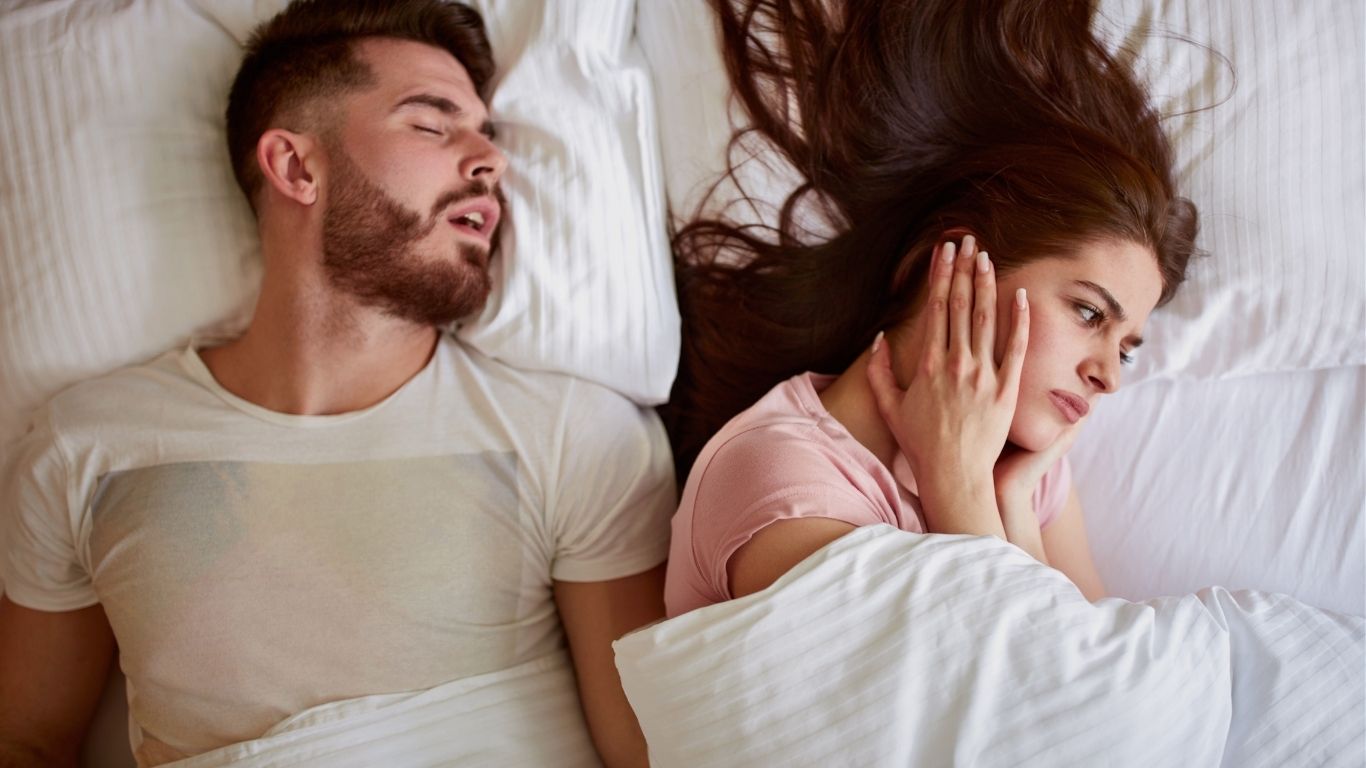
Snoring is one of those curious human phenomena that is often played for laughs in movies and cartoons, yet for millions of people worldwide, it is a source of genuine distress. That coarse, hoarse sound produced during sleep—ranging from a soft puff to a window-rattling roar—is far more than a mere annoyance. It can be a window into our anatomy, our lifestyle habits, and sometimes, a serious health condition. For the person sleeping beside the snorer, it can mean nights of frustration, sleep deprivation, and even relationship strain. For the snorer themselves, it might signal underlying issues that, if left unaddressed, could have long-term consequences. Let us explore the full landscape of snoring, from its subtle beginnings to its thunderous effects, and consider the various pathways—including lifestyle changes and homeopathy—that can help restore peaceful, silent nights.
What Exactly Is Snoring? The Mechanics of a Noisy Night
To understand snoring, we first need to appreciate the delicate mechanics of breathing during sleep. When we drift off, the muscles in our body naturally relax—including those in the throat, tongue, soft palate, and uvula (the small dangling tissue at the back of the mouth). In most people, this relaxation does not obstruct the airway. However, in a person who snores, the airway becomes partially narrowed. As we inhale and exhale, the airflow is forced through this constricted passage. This increases the velocity of the air, causing the relaxed tissues—the soft palate and uvula—to vibrate against each other and against the back of the throat. The sound of snoring is literally the sound of flesh fluttering in the wind of your breath, much like a flag snapping in a strong breeze. The louder the snore, the more turbulent the airflow and the more significant the vibration. Snoring can occur during any stage of sleep, but it is often most pronounced during deep sleep or REM (rapid eye movement) sleep, when muscle relaxation is at its peak.
Recognising the Symptoms: More Than Just Noise
While the hallmark symptom of snoring is, of course, the sound itself, both the snorer and their bed partner may notice a range of accompanying signs. It is important to differentiate between simple snoring and snoring that signals something more complex.
For the bed partner or observer, the symptoms include:
-
Loud, disruptive breathing sounds that occur most nights.
-
Periods of silence followed by a sudden snort or gasp (this can indicate sleep apnea).
-
Restless sleep movements in the snorer, such as frequent tossing and turning.
-
The snorer waking up briefly without remembering it.
For the person who snores, symptoms can be more subtle because they are asleep when the primary event occurs. However, they may experience:
-
Morning headaches (caused by reduced oxygen or carbon dioxide retention during the night).
-
A dry or sore throat upon waking, from the constant vibration and mouth breathing.
-
Daytime sleepiness or fatigue, even after what felt like a full night in bed.
-
Difficulty concentrating, irritability, or brain fog.
-
Frequent nighttime urination (nocturia), which can be linked to sleep disturbances.
-
Gasping or choking sensations reported by the bed partner.
-
Chest pain at night (in severe cases, this warrants immediate medical attention).
If any of the above symptoms—especially daytime sleepiness, gasping, or morning headaches—are present, it is crucial to look beyond simple snoring and consider a medical evaluation for obstructive sleep apnea (OSA).
The Root Causes: Why Do People Snore?
Snoring is rarely random. It almost always has a physical or lifestyle-related cause. Understanding your personal trigger is the first step toward finding a solution. The causes can be broadly divided into anatomical, lifestyle, and health-related factors.
Anatomical and Structural Causes
-
Nasal Obstruction: A deviated nasal septum, nasal polyps, or chronic allergies can narrow the nasal passages. This forces you to breathe through your mouth during sleep, which collapses the throat tissues more easily.
-
Enlarged Tonsils or Adenoids: Particularly common in children, large tonsils can physically block the airway. In adults, chronic tonsillitis can have a similar effect.
-
A Long Soft Palate or Uvula: Some people are born with a longer than average soft palate or uvula, which reduces the diameter of the opening from the nose to the throat and acts like a flutter valve during sleep.
-
A Large Tongue Base: An unusually large tongue can fall backward and obstruct the airway more readily during muscle relaxation.
-
Jaw Structure: A small or receding lower jaw (retrognathia) leaves less room for the tongue, pushing it back toward the throat.
Lifestyle and Behavioural Factors
-
Sleeping Position: Back sleeping is the classic culprit. When you lie on your back, gravity pulls the tongue, soft palate, and throat tissues downward, narrowing the airway. Side sleeping often reduces or eliminates snoring.
-
Obesity and Weight Gain: Excess weight, particularly around the neck, is one of the strongest predictors of snoring. Fatty tissue deposits around the throat compress the airway from the outside, much like stepping on a garden hose. Even a modest weight gain can turn a non-snorer into a nightly snorer.
-
Alcohol Consumption: Alcohol is a central nervous system depressant and a muscle relaxant. Drinking alcohol within a few hours of bedtime causes excessive relaxation of the throat muscles, dramatically worsening snoring, even in people who do not usually snore.
-
Sedative Medications: Sleeping pills, anti-anxiety medications, and some muscle relaxants have the same effect as alcohol, relaxing the airway more than is healthy.
-
Smoking: Tobacco smoke irritates and inflames the upper airway, including the soft palate and nasal passages. This swelling narrows the airway and increases the likelihood of snoring. Even second-hand smoke exposure can worsen snoring in family members.
Health and Age-Related Factors
-
Age: As we get older, muscle tone throughout the body decreases, including in the throat. The airway becomes more collapsible. This is why snoring often begins or worsens after middle age.
-
Menopause: Hormonal changes lead to a loss of muscle tone in the throat, which is why many women begin snoring after menopause, even if they never did before.
-
Hypothyroidism: An underactive thyroid can lead to weight gain, fluid retention, and enlargement of tissues in the neck, all of which contribute to snoring.
-
Allergies and Colds: Seasonal allergies or a common cold cause nasal congestion, forcing mouth breathing and leading to temporary snoring.
The Ripple Effects: How Snoring Impacts Health and Life
Many people dismiss snoring as a harmless habit, but its effects can be surprisingly profound, both for the snorer and those around them.
Effects on the Bed Partner and Relationships
Sleep is a biological necessity, not a luxury. The partner of a loud snorer can lose an average of one to two hours of sleep per night. Over weeks and months, this leads to chronic sleep deprivation, manifesting as irritability, weakened immunity, poor work performance, and even depression. It is not uncommon for couples to end up sleeping in separate bedrooms, which, while sometimes a practical solution, can lead to feelings of isolation and a loss of intimacy. In severe cases, chronic sleep disruption has been linked to higher divorce rates and increased marital discord.
Effects on the Snorer’s Health
-
Daytime Fatigue and Accidents: Poor sleep quality due to frequent micro-awakenings (even if you don’t remember them) results in excessive daytime sleepiness. This increases the risk of workplace accidents and, alarmingly, drowsy driving accidents, which can be as dangerous as drunk driving.
-
Cardiovascular Strain: In cases of moderate to severe snoring, especially when it is a symptom of obstructive sleep apnea, the body experiences repeated drops in blood oxygen levels. Each time breathing is obstructed, the brain briefly wakes you up to resume breathing, causing a surge in stress hormones and blood pressure. Over years, this repetitive strain can lead to hypertension, irregular heartbeats (arrhythmias), heart attacks, and strokes.
-
Cognitive Impairment: Fragmented sleep impairs memory consolidation, concentration, and executive function. Chronic snorers often report “brain fog,” forgetfulness, and slower reaction times.
-
Metabolic Syndrome: There is a strong correlation between untreated sleep-disordered breathing and insulin resistance, which can lead to type 2 diabetes.
Prevention and Self-Help Strategies: Taking Back the Night
Before seeking any advanced treatment, there is a great deal you can do on your own to reduce or eliminate snoring. These lifestyle and behavioral modifications are often surprisingly effective.
Change Your Sleep Position
This is the single most effective non-medical intervention. Sew a tennis ball into the back of a pajama shirt or use a specialized positional therapy device to prevent you from rolling onto your back. Better yet, train yourself to sleep on your side. Elevating the head of your bed by four to six inches (using blocks under the bed legs, not just extra pillows which can bend the neck) can also help keep the airway open.
Manage Your Weight
If you are overweight, losing even 10% of your body weight can significantly reduce fatty tissue in the neck and decrease snoring intensity. Focus on a balanced diet rich in whole foods and regular cardiovascular exercise, which also improves muscle tone throughout the body, including the throat.
Avoid Alcohol and Sedatives Before Bed
Make it a rule to avoid alcohol for at least three to four hours before sleep. Similarly, review any sedating medications with your doctor. You may be able to take them earlier in the evening or find an alternative.
Establish Good Sleep Hygiene
A regular sleep schedule (going to bed and waking at the same time every day) reduces extreme muscle relaxation during deep sleep. Aim for seven to nine hours of quality sleep per night.
Clear Nasal Passages
If allergies or a deviated septum contribute to your snoring, use saline rinses, a neti pot, or a humidifier to keep nasal passages moist. Nasal strips or external nasal dilators can physically pull the nostrils open, reducing airflow resistance. Treat underlying allergies with antihistamines or allergy-proof your bedroom by using dust-mite covers on pillows and mattresses.
Strengthen Throat Muscles (Oropharyngeal Exercises)
Just as you can strengthen your biceps, you can strengthen the muscles of your tongue, soft palate, and throat. Studies show that 10-20 minutes of daily exercises can reduce snoring frequency by up to 50%. Try these:
-
Press your tongue flat against the roof of your mouth and slide it backward.
-
Suck your tongue upward against the roof of your mouth.
-
Say each vowel (A-E-I-O-U) out loud, continuously and forcefully, for three minutes.
-
Purse your lips and hold a smile for ten seconds.
When to See a Doctor
If these measures fail and you experience daytime sleepiness, choking, or high blood pressure, consult a sleep specialist. Conventional medical treatments for snoring (especially sleep apnea) include CPAP machines, oral appliances (dental mouthguards that advance the jaw), and in rare cases, surgery such as uvulopalatopharyngoplasty (UPPP) or radiofrequency ablation of the soft palate.
A Homeopathic Perspective on Snoring
Homeopathy is a system of alternative medicine based on the principle of “like cures like”—using highly diluted substances that, in larger doses, would produce similar symptoms in a healthy person. It is important to note that homeopathic remedies are not a substitute for emergency medical care or for treating diagnosed obstructive sleep apnea, which carries serious cardiovascular risks. However, for simple, uncomplicated snoring—especially that linked to specific constitutional patterns, allergies, or nasal congestion—some people find benefit. The remedies below are chosen based on the individual’s specific symptom picture, not just the snoring itself.
Best Homeopathic Remedies for Snoring
Opium
This is often considered a leading remedy for snoring that is extremely loud, stertorous, and occurs in a person who sleeps very deeply, sometimes with their eyes partially open. The snoring may be accompanied by slow, irregular breathing. The Opium snorer is often difficult to wake and may appear intoxicated with sleep. This remedy is particularly indicated if the snoring began after a head injury or general anesthesia, or if the person has used sedative drugs or alcohol before sleep.
Lachesis
Lachesis is a major remedy for people who snore worse when sleeping on their back. They often wake up feeling unrefreshed, with a dry throat and a sensation of a lump in the throat. The snoring may be interrupted by a sensation of suffocation. These individuals are often talkative, jealous, and worse after sleeping. Lachesis also suits those whose snoring worsens during or after menopause, or in people with high blood pressure who cannot tolerate anything tight around the neck (like a collar or scarf).
Ammonium Carbonicum
This remedy is for snoring in older, overweight individuals, especially those who have a bluish or purplish complexion. The snoring is loud and rattling, and they often wake up feeling exhausted with a heavy head. They tend to be worse in cold, damp weather and feel a strong need for fresh, cool air. Ammonium carbonicum is also useful when snoring is accompanied by nosebleeds at night or bleeding gums.
Nux Vomica
The classic remedy for the overindulgent lifestyle. Nux vomica is suited to people who snore due to frequent alcohol consumption, eating heavy meals late at night, or using sleeping pills. They are often driven, irritable, and sensitive to noise, light, and odors. Their snoring is often worse in the early morning hours (2-4 AM) and they wake up feeling groggy, with a bitter taste in the mouth and a headache. They are typically chilly people who crave fats and stimulants like coffee.
Sambucus Nigra
This is a specific remedy for snoring associated with nasal obstruction, particularly in children or adults with sudden, severe nighttime stuffiness. The person wakes up gasping for air, feeling as if they are choking, and sits upright in bed. The nose is completely blocked, but there is little discharge. This remedy is excellent for snoring that occurs during a cold, flu, or allergy attack, where the person cannot breathe through the nose at all.
How Homeopathy Is Used
In homeopathy, these remedies are typically taken as small sugar pellets (globules) in very high dilutions (such as 30C or 200C), which are considered safe and free from side effects. The usual approach is to take a dose (3-5 pellets) under the tongue, 2-3 times daily for a few days to a week. If there is no improvement, a different remedy or a consultation with a professional homeopath is recommended. It is never appropriate to stop using a CPAP machine or ignore doctor’s advice in favor of homeopathy alone.
A Word of Caution
Snoring that involves gasping, long pauses in breathing, or extreme daytime sleepiness should always be evaluated by a medical doctor for obstructive sleep apnea. Homeopathy does not treat the mechanical obstruction or oxygen desaturation that occurs in sleep apnea. For simple snoring, however, these remedies can be a gentle, non-invasive tool alongside the lifestyle changes described above.
Frequently Asked Questions About Best Homeopathic Remedies for Snoring
1. Can homeopathy completely cure snoring?
Homeopathy does not promise a “cure” in the conventional sense, especially if the snoring has a fixed anatomical cause like a deviated nasal septum or very large tonsils. However, for many people with functional or lifestyle-related snoring—such as that caused by allergies, nasal congestion, alcohol use, or muscle relaxation from aging—homeopathy can significantly reduce the intensity and frequency of snoring. In some cases, when the underlying constitutional imbalance is addressed, snoring may stop entirely. But it is more realistic to expect improvement rather than a magic bullet.
2. How do I know which homeopathic remedy is right for my snoring?
This is the most important question, and the answer is: it depends on your unique symptom picture. Homeopathy does not have a single “snoring pill.” Instead, you choose a remedy based on your specific patterns. For example, if you snore only when sleeping on your back and feel suffocated, Lachesis might suit you. If you snore after drinking alcohol or a heavy late dinner, Nux Vomica is more appropriate. If you have sudden nighttime nasal blockage and wake up gasping, think of Sambucus Nigra. Reading the descriptions carefully and matching them to your own experience is key. If you are unsure, consult a professional homeopath.
3. Are homeopathic remedies safe to take alongside my CPAP machine or other medications?
Yes, generally speaking, homeopathic remedies are highly diluted and have no known chemical interactions with prescription drugs, including blood pressure medications or CPAP therapy. However, it is absolutely crucial to understand that homeopathy should never replace your CPAP machine if you have been diagnosed with obstructive sleep apnea (OSA). Stopping CPAP use can lead to dangerous drops in blood oxygen. You can take homeopathic remedies while continuing your CPAP therapy, but always inform your doctor. For other medications, homeopathy is considered safe, but tell your prescribing physician out of an abundance of caution.
4. Can children take homeopathic remedies for snoring?
Yes, homeopathic remedies are generally considered very safe for children because of their high dilution and lack of toxic substances. Children often snore due to enlarged tonsils, adenoids, or allergies. Sambucus Nigra is excellent for a child who wakes up choking with a blocked nose. Calcarea Carbonica may be indicated for a chubby, slow-moving child who sweats on the head during sleep and snores heavily. However, any child with chronic snoring should first be evaluated by a pediatrician to rule out obstructive sleep apnea, which can affect growth and learning. Never delay seeking medical advice for a child who has pauses in breathing during sleep.
5. How long should I take a homeopathic remedy before deciding if it works?
A reasonable trial period for a homeopathic remedy for snoring is about 7 to 10 nights. You would typically take a dose (usually 3 to 5 small pellets of a 30C potency) under the tongue once or twice daily. Keep a simple log: ask your bed partner if the snoring volume or frequency has changed. If you see noticeable improvement within a week, continue as needed. If there is no change at all after 10 days, that particular remedy is likely not correct for you. You may need a different remedy or a different potency. It is not common to see results in a single night, though some people do.
6. What potency (strength) should I buy for snoring?
For self-treatment at home, the most commonly recommended potencies for snoring are 30C or 200C. The 30C potency is gentle and suitable for first-time users. You might take it twice daily for a few days. The 200C potency is stronger and deeper-acting; you would typically take it only once, then wait and observe for a week before repeating. Avoid very low potencies like 6X or 6C for chronic snoring, as they may need to be taken too frequently. Avoid very high potencies like 1M or 10M unless you are under the guidance of a professional homeopath. Start with 30C – it is the safest and most practical choice for most people.
7. Are there any side effects of homeopathic remedies for snoring?
Homeopathic remedies prepared by reputable manufacturers are extremely safe and have no known toxic side effects because they are diluted to the point where little to no original substance remains. However, a small number of people may experience a temporary “homeopathic aggravation” – meaning their snoring or other symptoms get slightly worse for a day or two before improving. This is considered a positive sign that the remedy is working. If the worsening is severe or lasts more than three days, stop the remedy. True allergic reactions to the lactose sugar pellets are very rare but possible in people with severe dairy intolerance.
8. Can I take homeopathy for snoring during pregnancy?
Snoring is very common in pregnancy, especially in the third trimester, due to weight gain, nasal congestion from increased blood flow, and fluid retention. Some homeopathic remedies are considered safe during pregnancy, but you must exercise extreme caution. Pulsatilla is often used for pregnancy-related nasal congestion and snoring, especially in women who are mild, tearful, and desire fresh air. However, because pregnancy is a delicate time, you should never self-prescribe homeopathic remedies while pregnant. Always consult a qualified homeopath or your obstetrician before taking any remedy, natural or otherwise.
9. Do I need to avoid coffee, mint, or strong flavors while taking homeopathic remedies?
Traditional homeopathic teaching advises avoiding strong substances like coffee, mint, camphor, eucalyptus, and heavily perfumed products for about 20 to 30 minutes before and after taking a remedy. The theory is that strong tastes or smells might interfere with the remedy’s action on the vital force. In practice, many people find that moderate coffee drinking does not cancel the effects. To be safe, take your remedy first thing in the morning or at bedtime, and wait half an hour before your morning coffee or brushing your teeth with mint toothpaste. It is a simple precaution that costs nothing.
10. What if homeopathy does not work for my snoring?
Not everyone responds to homeopathy, and that is perfectly fine. If you have tried a well-matched remedy for two weeks and seen no improvement, or if your snoring is accompanied by daytime sleepiness, gasping, or high blood pressure, it is time to see a medical doctor. You may have obstructive sleep apnea, which requires conventional treatment like a CPAP machine or an oral appliance. Homeopathy is a wonderful tool for many, but it is not a substitute for a proper medical diagnosis. Respect what your body is telling you: if simple remedies fail, seek professional sleep medicine advice.
Conclusion
Snoring is not a simple joke or a minor flaw; it is a complex signal from our body about the state of our airway, our weight, our sleep position, and sometimes our deeper health. The journey from noisy nights to silent slumber often begins with small, conscious changes—rolling onto your side, skipping that nightcap, or losing a few pounds. For many, these steps are enough to restore peace. For others, exploring the constitutional approach of homeopathy may offer additional relief. And for a significant minority, snoring is a medical condition that deserves professional evaluation. Whatever your path, the goal is the same: quiet, restorative sleep that allows both you and your partner to wake up feeling alive, connected, and truly rested. A silent night is not just a luxury; it is a foundation of good health.