Homeopathic Remedy Nux Vomica: The Remedy for the Overindulgent and Stressed
In the vast and often misunderstood world of homeopathy, few remedies have achieved the iconic status of Nux vomica. Derived from the seeds of a poisonous tree, this remedy is a classic example of the homeopathic principle “like cures like”—a substance that causes certain symptoms in a healthy person can, in highly diluted form, treat similar symptoms in a sick person. Nux vomica is often called the “overindulgence remedy” or the “executive’s friend,” thanks to its affinity for people who live fast, work hard, and play hard. But its scope is far broader. Let’s explore this fascinating remedy from its botanical roots to its modern-day applications, and everything in between.
Origin and Botanical Background
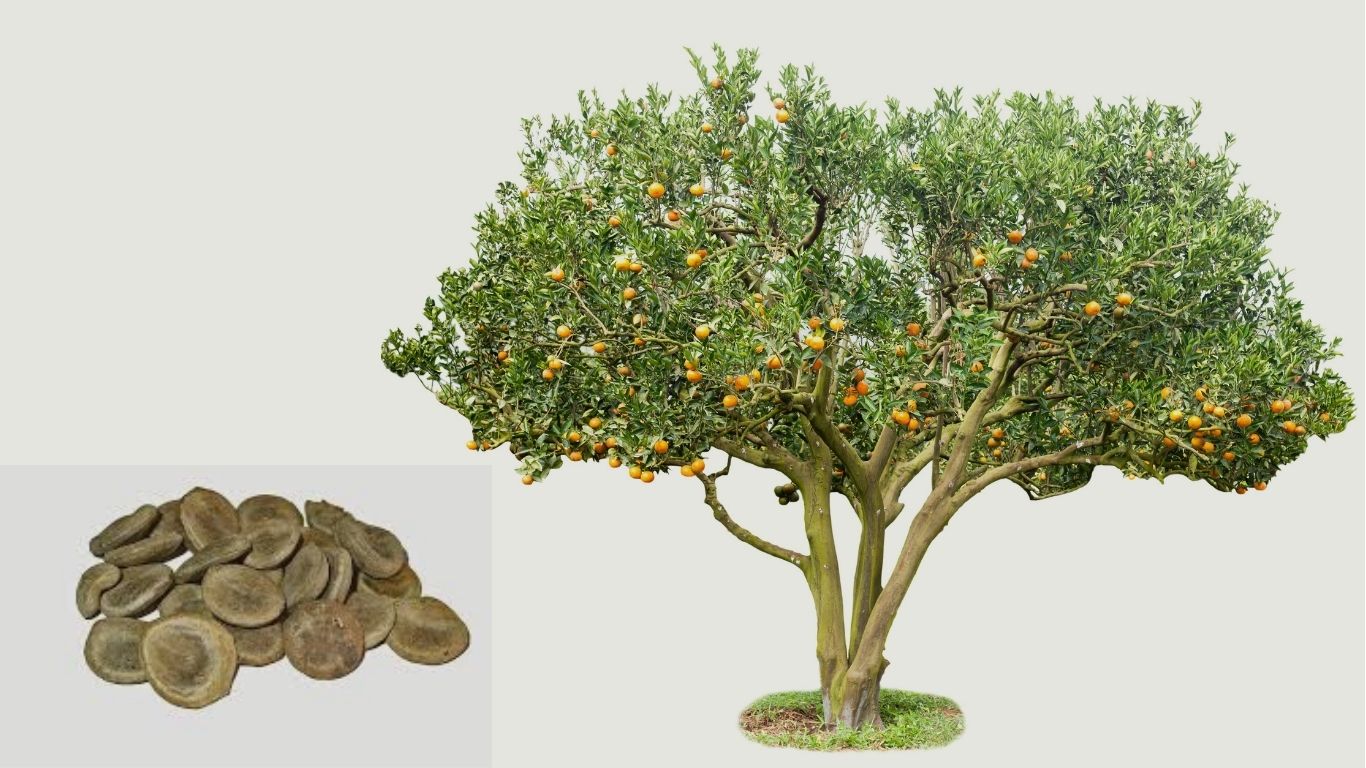
The source of Nux vomica is the tree Strychnos nux-vomica, a deciduous tropical tree native to Southeast Asia, Northern Australia, and India. It belongs to the Loganiaceae family, a group known for containing potent alkaloids. The tree can grow up to 15 meters tall, with a crooked, short trunk and dense, dark green leaves. Its fruit is about the size of a large orange, with a hard, orange-colored rind and a soft, white, jelly-like pulp. Inside this pulp are the tree’s most famous feature: five to seven disc-shaped, greyish-blue seeds, covered in fine, silky hairs. These are the seeds of Nux vomica.
These seeds are the source of the homeopathic remedy, but they are also the source of the deadly alkaloids strychnine and brucine. In high doses, strychnine is a notorious poison that causes severe, painful muscle spasms and convulsions, leading to death by asphyxiation. This toxicity is what made Nux vomica famous in both traditional medicine and toxicology for centuries before homeopathy embraced it.
Method of Extraction and Preparation in Homeopathy
The preparation of Nux vomica as a homeopathic remedy is a meticulous process designed to unlock its therapeutic potential while eliminating all toxic risk. It follows the standard procedure for preparing insoluble or poisonous substances in homeopathy, known as trituration and succussion.
Step 1: Gathering and Cleaning. Ripe seeds are harvested from the Strychnos nux-vomica tree. They are cleaned and dried, but not roasted or chemically altered.
Step 2: Creating the Mother Tincture (Ø or Q). For homeopathic use, the dried seeds are first crushed into a coarse powder. This powder is then macerated (soaked) in a mixture of alcohol and distilled water for several weeks. The liquid is then filtered and pressed out. This concentrated liquid is the mother tincture of Nux vomica. It contains trace amounts of the original alkaloids but is already significantly diluted from the raw seed.
Step 3: Potentization. To create the potentized remedies used in practice, the mother tincture is further diluted and vigorously shaken (succussed) at each step. For a 1C potency, one drop of the mother tincture is mixed with 99 drops of alcohol and succussed. For a 3C, one drop of the 2C solution is mixed with 99 drops of alcohol, and so on. Decimal potencies (X) use a 1:9 ratio. The most common potencies for home use are 6C, 12C, and 30C. By the time a 12C or 30C potency is reached, Avogadro’s number tells us no molecules of the original strychnine remain. Homeopathy holds that the healing “energetic imprint” or “information” of the substance remains in the water-alcohol solution.
Common Potencies and Their Uses
Practitioners select potencies based on the intensity, acuteness versus chronicity, and the sensitivity of the patient.
Low Potencies (6C, 12C, 30C): These are most common for self-care and acute conditions. 6C is gentle and may be repeated frequently (e.g., every 30 minutes for an acute stomach upset). 30C is more dynamic and is typically taken less often (e.g., 3-4 doses in a day). These are widely available in health food stores.
Medium Potencies (200C): Usually prescribed by a professional homeopath for chronic conditions or for a deep-seated constitutional picture. Not for routine self-prescription.
High Potencies (1M, 10M, CM): These are reserved for experienced practitioners. They are given rarely (sometimes one dose a month or even once a year) for profound, long-standing conditions.
Key Symptoms and the ‘Nux vomica’ Constitution
The genius of Nux vomica lies in the portrait of the person who needs it. This is not just a remedy for a sour stomach; it is a remedy for a driven, ambitious, and often irritable individual.
The General State: The typical Nux vomica patient is mentally acute, strong-willed, and competitive. They work long hours, often under pressure, and are prone to taking stimulants (coffee, alcohol, tobacco, rich food) to keep going, and later, sedatives to sleep. They are “hot, dry, and driving.” They are sensitive to cold drafts, noise, light, and odors. They tend to be constipated, with an ineffectual urge to pass stool.
Worse Factors (Modalities): Symptoms are worse in the morning upon waking (often with a “hangover” feeling), after eating, from mental exertion, from cold and drafts, from spicy or rich food, and from alcohol or coffee. They are also worse in dry, cold weather.
Better Factors: Symptoms improve from a short, unrefreshing sleep (contrary to most remedies, where sleep helps), from being in warm, humid environments, from strong pressure on the affected area, and from having a bowel movement, which often brings temporary relief.
Specific Mental and Emotional Symptoms:
Intense irritability and oversensitivity. They are easily offended, argumentative, and can be malicious or spiteful when contradicted.
A strong inclination to be critical, both of themselves and others.
Hypersensitivity to noise and light; a door slamming can feel like a gunshot.
A driving, ambitious nature that leads to burnout and resentment if they don’t achieve their goals.
Specific Physical Symptoms:
Digestive System: This is Nux vomica’s stronghold. Indigestion from overeating, spicy food, or too much coffee or alcohol. Heartburn, nausea, and retching without vomiting. Constipation with a constant feeling of incomplete evacuation—the stool is hard, dry, and passed in small quantities. Hemorrhoids that are painful and itchy.
Head: Morning headaches on waking, especially after a late night or alcohol. The headache feels like a nail being driven into the head, or a bursting sensation. Headaches from mental overwork or reading fine print.
Respiratory and ENT: Dry, spasmodic cough at night or after eating. Tickling in the larynx. Nasal congestion that is worse in a warm room and better in cold, open air (opposite of many other remedies).
Sleep Disorders: Insomnia, especially after 3 or 4 a.m., from overwork, stimulants, or anxiety. They fall asleep easily but wake up feeling tired and unrefreshed. Drowsy in the early evening but wide awake later.
Therapeutic Uses (What It Treats)
Nux vomica is a polycrest (a remedy with many uses). Its most common indications are:
Digestive complaints: Heartburn, gastritis, dyspepsia, bloating, nausea, and the classic “hangover” feeling. It is excellent for travelers’ diarrhea caused by irregular eating or rich food.
Constipation: Particularly the type with frequent, ineffectual urging.
Hangover: Both from alcohol and from overindulgence in food or coffee.
Jet lag and shift work: The disorientation and digestive upset from disrupted circadian rhythms.
Cold and flu: When the onset is after exposure to dry, cold wind, and there is a dry, hacking cough, chilliness, and irritability.
Menstrual problems: Irregular, too-frequent periods with a sensation of downward pressure, and accompanying irritability.
Hemorrhoids: Painful, itching piles, especially after constipation.
Allergies: With violent sneezing and nasal irritation, worse in warm rooms.
Potential Side Effects and Safety
This is the most critical section for anyone new to homeopathy. Nux vomica in its raw herbal form is a deadly poison. Do not ever consume raw Strychnos nux-vomica seeds or any non-homeopathic extract. Severe strychnine poisoning causes muscle rigidity, arching of the back (opisthotonos), lockjaw, and convulsions leading to death.
However, homeopathic Nux vomica in potencies 6C and higher contains no detectable strychnine molecules. It is considered extremely safe when prepared and used according to homeopathic guidelines. Nevertheless, homeopathic remedies can induce a “healing aggravation”—a temporary worsening of existing symptoms before improvement. This is generally mild and short-lived. If symptoms worsen significantly, stop the remedy and consult a professional.
Side effects are rare. Overuse, especially of high potencies, can cause a “proving” (temporary return of the very symptoms the person originally had). This is resolved by stopping the remedy. Homeopathic remedies are sugar pills; individuals with diabetes or those on a sugar-free diet should be aware of the lactose/sucrose base. As with any medical condition, persistent, severe, or unexplained symptoms require a visit to a medical doctor. Homeopathy is complementary, not always an alternative, to emergency care.
Prevention: When to Use Nux vomica Prophylactically
While homeopathy is not a vaccination substitute, Nux vomica is sometimes used preventively in specific contexts. The idea is to strengthen the body’s resilience to predictable stressors.
Before a heavy meal or a festive season: Some homeopaths suggest taking one dose of Nux vomica 30C before a large, rich meal or before a period of known overindulgence to prevent digestive upset.
During travel: For those prone to jet lag or motion sickness, a dose taken before travel and again upon arrival can ease the transition.
Seasonal change: For individuals who consistently catch a cold when dry, cold weather arrives, a few doses of Nux vomica 30C over a week might boost their resistance.
Important: This is not a guarantee. It is a constitutional support, not a germ-killer. Do not use it to prevent serious infectious diseases like measles or tetanus.
Comparisons with Other Homeopathic Remedies
Understanding Nux vomica is easier when you see how it differs from its close counterparts.
Nux vomica vs. Arsenicum album
Both are anxious and fastidious, but with crucial differences. Arsenicum album is restless, anxious about health and security, and feels better from warmth and company. Their digestive issues include burning pains and watery, offensive diarrhea that leaves them exhausted. Nux vomica is irritable, angry, and feels worse from warmth and company. Their constipation is dry and ineffectual. Arsenicum is a cold, chilly person; Nux is hot-blooded.
Nux vomica vs. Sulphur
Sulphur individuals are messy, philosophical, and lazy, with a stooped posture. They are worse from warmth and standing, better from open air and scratching. Nux vomica people are neat, ambitious, and driven. They are worse from cold and mental work, better from strong pressure. Sulphur loves fat and sweets; Nux loves rich, spicy food and stimulants.
Nux vomica vs. Bryonia alba
Both desire to be left alone when sick. Bryonia is worse from the slightest motion; they lie very still and want to be left absolutely alone because any movement or conversation aggravates their pains. Nux vomica is irritable and can be moved, but they can’t stand contradiction, noise, or light. Bryonia’s headache is bursting from stooping, better from lying still; Nux’s headache is a morning hangover type.
Nux vomica vs. Pulsatilla
These are almost opposites. Pulsatilla is mild, weepy, clingy, and changeable. They feel worse in warm rooms, better in cool, open air. They have no thirst. Nux vomica is fierce, irritable, and fixed. They feel worse in cold drafts, better in warm, humid air. They have a strong thirst for alcohol, coffee, and water.
Nux vomica vs. Lycopodium clavatum
Both have digestive issues, but Lycopodium is worse from 4 to 8 p.m., has a craving for sweets and warm drinks, and tremendous anticipatory anxiety before events (e.g., exams, public speaking). Their bloating is in the lower abdomen. Nux vomica’s symptoms are worse in the morning, they crave stimulants, and their anxiety is more about performance not being perfect. Lycopodium’s constipation alternates with pasty stools; Nux’s is dry and hard.

2 thoughts on “Homeopathic Remedy Nux Vomica”