Understanding Anxiety: Symptoms, Causes, Effects, Prevention And Homeopathic Remedies for Anxiety
We have all felt it before: the racing heart before a job interview, the sweaty palms before a first date, or the knot in the stomach during a difficult conversation. This feeling is anxiety, and in its mild, temporary form, it is a normal and even useful human response. It alerts us to danger, motivates us to prepare, and helps us stay focused. However, when anxiety becomes a constant, overwhelming presence that interferes with daily life, it crosses the line from a helpful signal into a debilitating disorder. This article explores anxiety in depth, from its subtle beginnings to its profound effects, and discusses ways to manage it, including the principles of homeopathic treatment.
What Exactly Is Anxiety?
Anxiety is the mind and body’s natural reaction to perceived threats or stressful situations. Unlike fear, which is a response to an immediate, real danger, anxiety is often a response to future uncertainties or potential problems. It is characterized by persistent feelings of tension, worried thoughts, and physical changes like increased blood pressure. When these feelings become chronic, excessive, and out of proportion to the actual trigger, they may be diagnosed as an anxiety disorder. Common types include Generalized Anxiety Disorder (GAD), Panic Disorder, Social Anxiety Disorder, and specific phobias. Each shares the common thread of intense, often irrational fear and dread, but they manifest in different contexts.
Recognizing the Symptoms: The Many Faces of Anxiety
Anxiety rarely looks the same from person to person. Its symptoms can be broadly divided into three categories: psychological, physical, and behavioral.
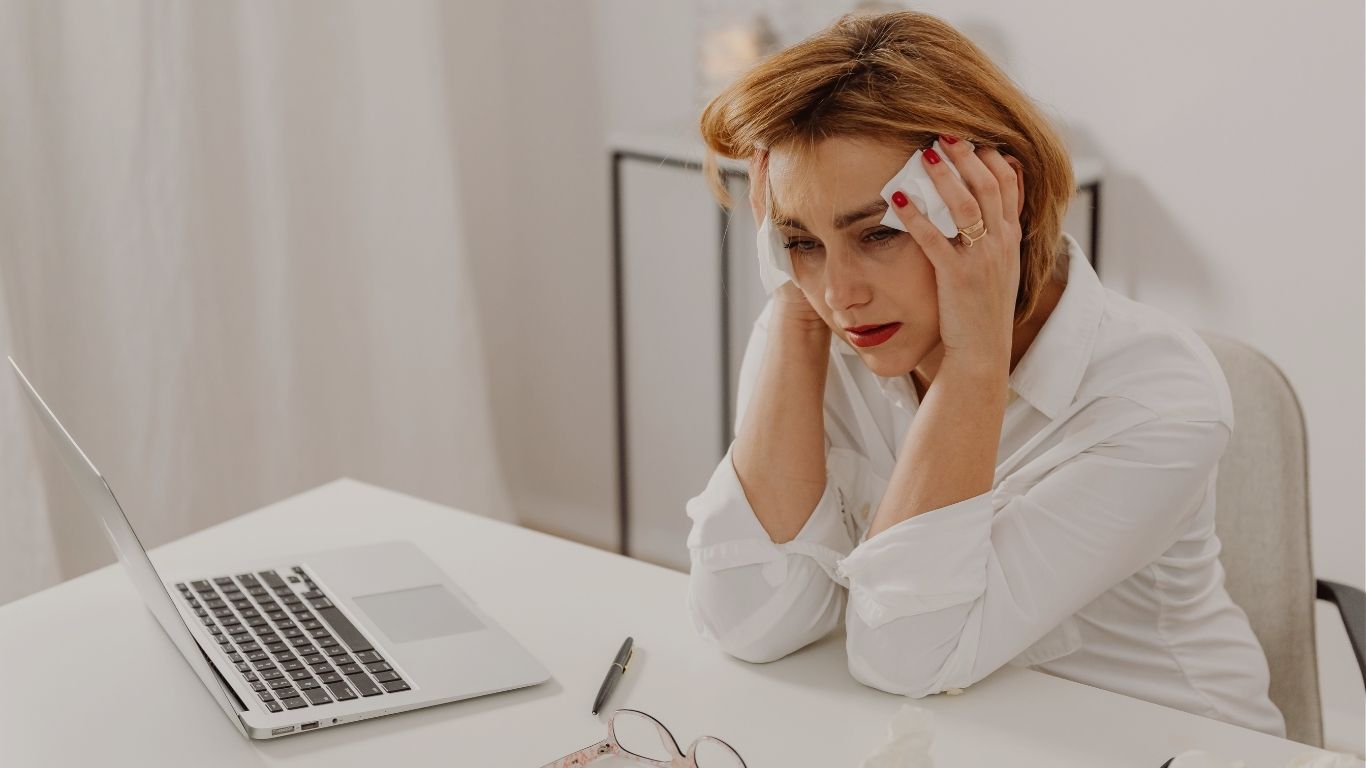
Psychological symptoms are often the first to be noticed. These include a constant sense of dread or impending doom, feeling on edge or restless, difficulty concentrating because the mind is consumed by worry, irritability, and a tendency to anticipate the worst in every situation. Many people describe it as a loop of repetitive, negative thoughts that they cannot switch off.
Physical symptoms can be alarming and are sometimes mistaken for other medical conditions. The body’s “fight or flight” response is activated, leading to a rapid heartbeat, shortness of breath, chest tightness, dizziness, trembling, sweating, nausea, and frequent urination or diarrhea. Chronic muscle tension, headaches, and fatigue are also common because the body remains in a prolonged state of high alert.
Behavioral symptoms involve the actions people take to avoid or cope with their anxious feelings. The most common is avoidance – steering clear of people, places, or situations that might trigger anxiety. For example, someone with social anxiety might stop attending gatherings, while a person with a phobia of flying might refuse to travel by plane. Procrastination, seeking constant reassurance from others, and even substance use can also be behavioral signs of unmanaged anxiety.
The Root Causes: Why Does Anxiety Develop?
There is rarely a single cause for anxiety. Instead, it emerges from a complex interplay of genetics, brain chemistry, personality, and life experiences.
Biological and genetic factors play a significant role. Research shows that anxiety disorders can run in families, suggesting a hereditary component. Imbalances in brain neurotransmitters like serotonin, dopamine, and gamma-aminobutyric acid (GABA) – which regulate mood and stress responses – are also closely linked to anxiety. People with a naturally more sensitive amygdala, the brain’s fear center, may be more prone to anxiety.
Environmental and psychological triggers are equally important. A history of trauma, abuse, or neglect during childhood greatly increases the risk. Chronic stress from work, financial problems, or relationship conflicts can wear down a person’s resilience over time. Major life changes, even positive ones like getting married or starting a new job, can also trigger anxiety. Furthermore, certain personality traits, such as perfectionism, low self-esteem, or a tendency to be shy or inhibited as a child, are associated with higher anxiety levels.
Medical conditions can also cause or worsen anxiety. Thyroid imbalances, heart arrhythmias, respiratory disorders, and chronic pain conditions often have anxiety as a symptom. Similarly, the use of caffeine, alcohol, certain prescription drugs, or recreational substances can either mimic or exacerbate anxiety symptoms. It is always wise to rule out medical causes before concluding that anxiety is purely psychological.
The Far-Reaching Effects of Chronic Anxiety
When left unaddressed, chronic anxiety does not just make a person feel uneasy; it can reshape their entire life. The effects ripple through mental health, physical health, relationships, and daily functioning.
On mental health, prolonged anxiety is a major risk factor for depression. The constant exhaustion from worry can lead to feelings of hopelessness. Anxiety also impairs memory, decision-making, and creative thinking, making it hard to succeed at work or school.
Physically, the long-term activation of the stress response takes a toll. Chronic anxiety is linked to a higher risk of cardiovascular problems, including high blood pressure and heart disease. It weakens the immune system, making a person more susceptible to infections. Digestive issues like irritable bowel syndrome (IBS), chronic headaches, tension migraines, and sleep disorders such as insomnia are also common companions to anxiety.
Socially and professionally, avoidance behaviors can lead to isolation. Friendships may suffer because the anxious person cancels plans frequently. Work performance can decline due to poor concentration or avoidance of meetings and presentations. In severe cases, a person may become unable to hold a job or maintain any meaningful relationships, leading to financial dependence and loneliness.
Prevention: Building Resilience Against Anxiety
While it may not be possible to prevent anxiety entirely, especially when it has strong genetic roots, there are many effective strategies to reduce its intensity and frequency. Prevention focuses on building mental and emotional resilience before anxiety becomes entrenched.
Developing healthy coping habits early is key. Regular physical exercise is one of the most powerful antidotes to anxiety because it burns off stress hormones and releases endorphins. A balanced diet with limited sugar and caffeine helps stabilize blood sugar and mood. Prioritizing good sleep hygiene – a consistent bedtime, no screens before sleep, a dark quiet room – gives the brain time to process emotions and reset.
Mindfulness and relaxation techniques can also be preventive. Practicing deep breathing exercises, progressive muscle relaxation, or meditation for just ten minutes a day trains the nervous system to remain calm. Learning to recognize early warning signs of anxiety, like muscle tension or racing thoughts, allows a person to intervene with a relaxation technique before the anxiety spirals.
Limiting exposure to constant negative news and social media comparison is another practical preventive measure. Setting boundaries with stressful people and learning to say no to excessive commitments protects mental energy. Finally, maintaining a strong social support network – even just two or three trusted friends – provides a buffer against stress. Talking openly about fears often reduces their power.
Homeopathic Treatment: A Gentle, Individualized Approach
Homeopathy offers a unique perspective on anxiety treatment. It is a holistic system of medicine developed in the late 18th century by Samuel Hahnemann. The core principle is “like cures like” – a substance that causes symptoms in a healthy person can, in highly diluted form, treat similar symptoms in a sick person. Homeopathy does not view anxiety as a disease itself but as a sign of an underlying imbalance in the whole person. Therefore, treatment is highly individualized. Two people with anxiety may receive completely different homeopathic remedies based on their unique symptoms, personality, and triggers.
It is crucial to note that homeopathy should not replace emergency medical care or conventional psychiatric treatment for severe anxiety or panic disorder. However, many people use homeopathic remedies as a complementary approach or for mild to moderate anxiety. The remedies are made from natural substances (plants, minerals, or animal products) and are prepared through a process of serial dilution and succussion (vigorous shaking). They are generally considered safe, non-toxic, and non-addictive, with few side effects.
Before selecting a remedy, a professional homeopath conducts a detailed interview, asking about the specific nature of the anxiety: What brings it on? What time of day is it worse? What physical sensations accompany it? What makes it better or worse? How does the person behave when anxious? Based on this holistic picture, a single remedy is chosen. Here are some commonly indicated homeopathic remedies for different types of anxiety:
Aconitum napellus is often used for sudden, intense panic attacks that come on after a shock or fright. The person feels immense fear, restlessness, and predicts death or disaster. Physical symptoms include a pounding heart, hot dry skin, and a feeling of great thirst. It is best for the acute, early stages of panic.
Argentum nitricum suits people who are impulsive, hurried, and nervous about upcoming events like exams, speeches, or travel. They often have diarrhea or a constant urge to urinate when anxious. They crave sweets and salt, and their anxiety is worse in warm rooms but better in cool, open air. They may feel a sense of time passing too quickly.
Gelsemium sempervirens is for anxiety that causes weakness, trembling, and heaviness. The person feels drowsy, dizzy, and their eyelids may feel heavy. This is the remedy for “stage fright” or performance anxiety, where the person is so terrified that they feel paralyzed and may even have diarrhea before an event. Unlike Argentum nitricum, the Gelsemium patient wants to be alone and not talk.
Ignatia amara is deeply connected to anxiety that follows grief, disappointment, or a loss. The person may sigh frequently, have unpredictable mood swings from laughter to tears, and feel a lump in the throat (globus hystericus). They are often sensitive to smells, tobacco smoke, and strong emotions. Their anxiety is worse after emotional shock.
Lycopodium clavatum is useful for anxiety in people who appear confident on the outside but are filled with insecurity and fear of failure on the inside. They dread public speaking, fear being alone, and often have digestive issues like bloating. Their anxiety is worse between 4 and 8 PM, and they crave warm drinks and sweets.
Pulsatilla pratensis suits gentle, yielding, and emotional individuals, often women and children. Their anxiety is worse in warm stuffy rooms and better in cool open air. They are tearful, crave affection and reassurance, and tend to feel better when they are distracted or can talk about their feelings. Their mood is changeable and they dislike rich, fatty foods.
Calcarea carbonica is for people who are methodical, responsible, and easily overwhelmed. They become anxious about their health, work, or family. They fear losing control, going crazy, or getting a serious illness. Physically, they are often chilly, easily fatigued, and may sweat profusely on the head during sleep. Their anxiety worsens with exertion or when they feel overworked.
How to use homeopathic remedies for anxiety: Over-the-counter remedies are available in low potencies (like 6C, 12C, or 30C). For mild, occasional anxiety, a 30C potency can be taken as needed, usually 2 to 3 pellets dissolved under the tongue when the anxiety arises, and repeated if needed after 15 to 30 minutes. For chronic anxiety, it is best to consult a trained homeopath for a constitutional remedy and appropriate potency (often 200C or higher, taken less frequently). Remedies should be kept away from strong smells (menthol, coffee, camphor) as these can antidote them. If symptoms worsen or persist, professional guidance is essential.