
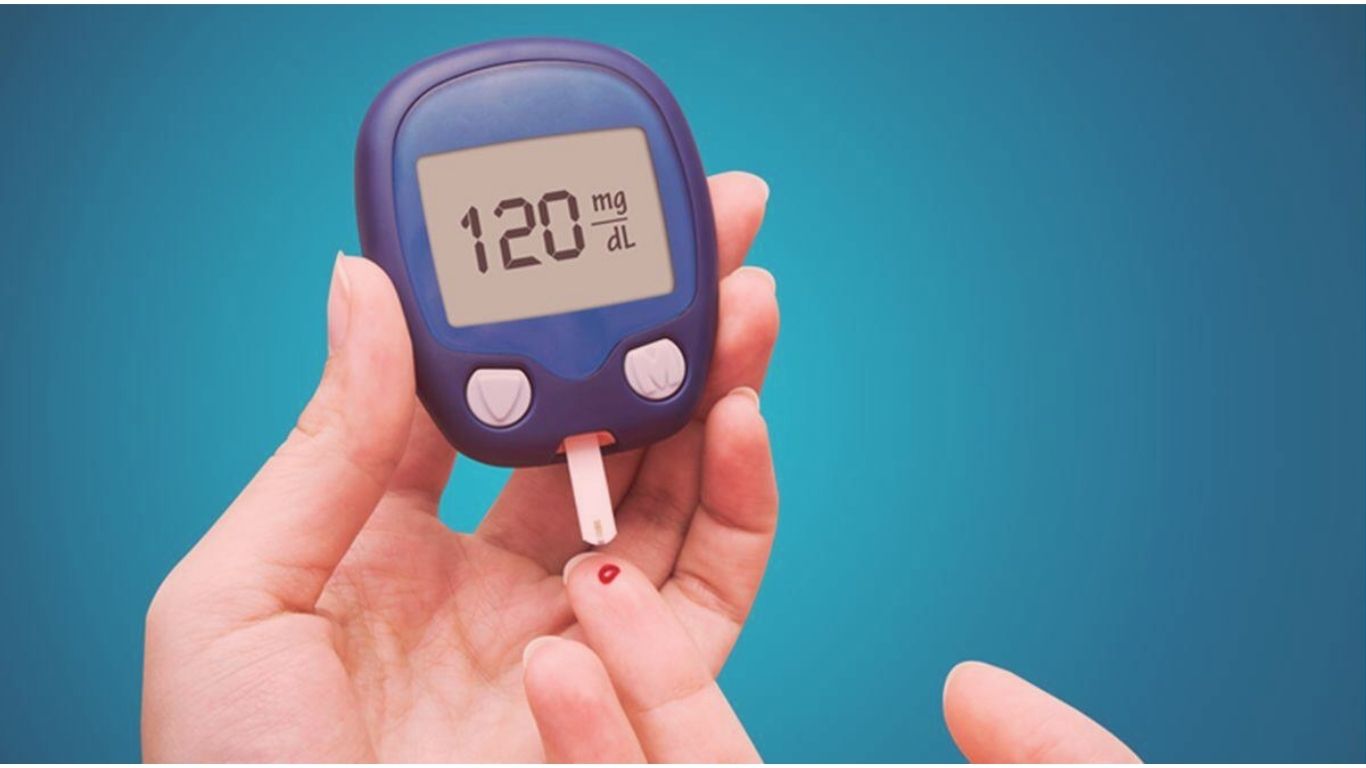
Understanding Diabetes: A Comprehensive Guide to Types, Symptoms, Causes, Effects, Prevention and Homeopathic Remedies for Diabetes
Diabetes mellitus is often described as a silent epidemic, and for good reason. Millions of people around the world live with this condition, many without even realizing it until complications arise. In simple terms, diabetes is a chronic metabolic disorder where the body struggles to regulate blood sugar, or glucose, effectively. Glucose is vital for our health because it acts as the primary fuel for our cells, especially those in the brain and muscles. However, when the system that manages this fuel breaks down, blood sugar levels can rise to dangerous heights, causing a cascade of health problems over time.
Living with diabetes is not a single, uniform experience. The condition varies significantly from person to person, which is why understanding its nuances is the first step toward effective management or even prevention. This article explores the different faces of diabetes, its warning signs, root causes, long-term effects, preventive strategies, and an often-discussed alternative approach: homeopathic treatment.
The Different Types of Diabetes: More Than Just High Blood Sugar
When people hear “diabetes,” they often think of one disease, but it is actually a family of related conditions. The three main types are Type 1, Type 2, and gestational diabetes, each with its own unique mechanism and profile.
Type 1 diabetes is an autoimmune condition. This means the body’s immune system, which normally fights off infections, mistakenly attacks and destroys the insulin-producing beta cells in the pancreas. Insulin is the hormone responsible for unlocking cells so glucose can enter and be used for energy. When little to no insulin is produced, glucose builds up in the bloodstream. Type 1 diabetes is often diagnosed in children, teenagers, or young adults, which is why it was formerly called juvenile diabetes. It is not preventable, and people with Type 1 diabetes must take insulin every day to survive.
Type 2 diabetes is far more common, accounting for about 90 to 95 percent of all cases. Here, the body either becomes resistant to insulin or the pancreas does not produce enough of it. Insulin resistance means that cells no longer respond properly to the insulin signal, so glucose stays in the blood instead of entering cells. Over time, the pancreas tries to compensate by producing even more insulin, but eventually it cannot keep up. Type 2 diabetes typically develops in adults over the age of 45, though increasingly it is being seen in younger populations, including children and teenagers, largely due to rising obesity rates. Unlike Type 1, Type 2 diabetes is often linked to lifestyle factors and can be delayed or prevented.
Gestational diabetes occurs during pregnancy in women who have never had diabetes before. Hormonal changes during pregnancy can make the body more resistant to insulin. While this condition usually resolves after the baby is born, it is a significant warning sign. Women who have had gestational diabetes have a much higher risk of developing Type 2 diabetes later in life. Their children are also at increased risk for obesity and Type 2 diabetes.
Less common forms include monogenic diabetes (caused by a single gene mutation) and secondary diabetes resulting from conditions like cystic fibrosis or from certain medications such as glucocorticoids.
Recognizing the Symptoms: What the Body Tries to Tell You
The symptoms of diabetes can be subtle at first, which is why many people go undiagnosed for years. However, the body emits clear signals when blood sugar levels are chronically high. The classic symptoms are often remembered as the three polys: polyuria, polydipsia, and polyphagia.
Polyuria refers to frequent urination. When there is excess glucose in the blood, the kidneys work overtime to filter and absorb it. If they cannot keep up, the excess glucose is excreted into the urine, drawing water from the body’s tissues along with it. This leads to large volumes of urine.
Polydipsia, or excessive thirst, is a direct consequence of polyuria. The body loses more water than usual, triggering an intense, unquenchable thirst. You might find yourself drinking glass after glass of water without relief.
Polyphagia means increased hunger. Without enough insulin to move glucose into cells, the cells feel starved for energy. This sends hunger signals to the brain, so you may eat more than usual but still feel tired and hungry.
Other common symptoms include unexplained weight loss (occurring more often in Type 1 where the body starts burning fat and muscle for energy), fatigue and irritability, slow-healing sores or frequent infections (such as gum infections or skin infections), blurred vision due to fluid being pulled from the lenses of the eyes, and areas of darkened skin, often in the armpits and neck, called acanthosis nigricans, which is a sign of insulin resistance.
In Type 1 diabetes, symptoms often develop quickly, over a few weeks or months, and can be severe. In Type 2, symptoms may take years to appear, or they may be so mild that they go unnoticed.
The Root Causes and Risk Factors: Why Does It Happen?
The causes of diabetes vary by type, but they all revolve around insulin and blood sugar regulation.
For Type 1 diabetes, the exact trigger is still not fully understood. Scientists believe that a genetic predisposition combined with an environmental factor, such as a viral infection, may activate the immune system to attack the pancreas. There is no known way to prevent this autoimmune response.
Type 2 diabetes is more complex and rooted in a combination of genetics and lifestyle. Key risk factors include being overweight or obese, especially carrying excess fat around the abdomen. Fat cells, particularly visceral fat, release inflammatory substances that can promote insulin resistance. Physical inactivity is another major factor because exercise helps cells become more sensitive to insulin. A family history of Type 2 diabetes significantly increases risk, as does age, ethnicity (African American, Hispanic, Native American, and Asian American people are at higher risk), and having prediabetes or a history of gestational diabetes. Polycystic ovary syndrome (PCOS) also raises risk due to its association with insulin resistance.
Gestational diabetes is caused by placental hormones that block the action of insulin. Any woman can develop it, but risk factors include being overweight before pregnancy, having a family history of diabetes, or having had gestational diabetes in a previous pregnancy.
The Cascading Effects of Uncontrolled Diabetes
The real danger of diabetes lies not in the high blood sugar itself, but in the long-term damage it causes to the body’s blood vessels and nerves. Chronically high glucose is like sandpaper circulating inside the arteries, gradually damaging their inner linings. This can lead to a host of serious complications.
Cardiovascular disease is the leading cause of death in people with diabetes. The condition dramatically increases the risk of heart attacks, strokes, and narrowing of arteries (atherosclerosis). People with diabetes are twice as likely to have heart disease or a stroke as those without it.
Diabetic neuropathy, or nerve damage, occurs when high blood sugar injures the walls of the tiny blood vessels that nourish the nerves. This often starts in the legs and feet, causing numbness, tingling, burning pain, or a loss of sensation. A person with numb feet might not feel a blister or a small cut, which can then become infected and lead to ulcers. In severe cases, this can result in foot or leg amputations.
Diabetic nephropathy, or kidney damage, affects the millions of tiny filtering units in the kidneys. Over time, the kidneys can lose their ability to filter waste from the blood, leading to kidney failure. This requires dialysis or a kidney transplant.
Diabetic retinopathy damages the blood vessels of the retina and can cause blindness. It is the leading cause of new cases of blindness in adults aged 20 to 74. Regular eye exams are crucial for early detection.
Poorly controlled diabetes also weakens the immune system, making people more susceptible to infections. It also increases the risk of skin conditions, hearing loss, and Alzheimer’s disease. Some researchers even refer to Alzheimer’s as Type 3 diabetes because of the strong connection between insulin resistance and brain degeneration.
Prevention: Taking Control Before It Starts
The good news about Type 2 diabetes, which represents the vast majority of cases, is that it is largely preventable. Even if you have a strong family history, lifestyle changes can dramatically reduce your risk.
Losing a modest amount of weight, just 5 to 7 percent of your body weight, can make a huge difference. For a 200-pound person, that is only 10 to 14 pounds. The most effective way to do this is through a combination of a healthy diet and regular physical activity.
When it comes to diet, focus on whole, unprocessed foods. Eat plenty of vegetables, fruits, whole grains (like brown rice, quinoa, and oats), lean proteins (chicken, fish, beans, lentils), and healthy fats (avocado, nuts, olive oil). Limit sugary drinks, white bread, white rice, pastries, and processed snacks. These foods cause rapid spikes in blood sugar. Instead, aim for a balanced plate: half vegetables, a quarter lean protein, and a quarter whole grains.
Physical activity is equally important. Aim for at least 150 minutes of moderate aerobic exercise per week, such as brisk walking, swimming, or cycling. Strength training exercises, like lifting weights or doing push-ups, at least twice a week also improve insulin sensitivity. The simple act of moving more throughout the day, taking the stairs, parking farther away, or doing household chores, adds up.
For those with prediabetes (blood sugar levels that are higher than normal but not yet in the diabetic range), participating in a structured lifestyle change program can cut the risk of progressing to Type 2 diabetes by more than half. In some cases, doctors may prescribe metformin, a diabetes medication, for very high-risk individuals, but lifestyle changes are always the first and most powerful line of defense.
Preventing Type 1 diabetes is not currently possible, but research is ongoing into vaccines and immune therapies that might delay or stop the autoimmune process.
Homeopathic Treatment: A Complementary Perspective
Homeopathy is a system of alternative medicine developed in the late 18th century by Samuel Hahnemann. It is based on the principle of like cures like, meaning that a substance that causes symptoms in a healthy person can, in very small, diluted doses, treat similar symptoms in a sick person. Homeopathic remedies are prepared through a process of serial dilution and succussion (vigorous shaking). Most remedies are so diluted that they no longer contain any molecules of the original substance; practitioners believe that the energetic imprint remains.
For diabetes, homeopathy does not claim to replace insulin for Type 1 diabetes or to be a substitute for conventional medical care in severe cases. However, some homeopathic practitioners suggest that certain remedies may help manage blood sugar levels, improve symptoms, or address complications when used alongside standard medical treatment. It is essential to state clearly that there is no robust, large-scale scientific evidence proving that homeopathy can effectively treat diabetes or lower blood glucose. The American Diabetes Association and other major medical bodies do not endorse homeopathy for diabetes management. That said, some individuals report benefits from constitutional homeopathic treatment, which treats the whole person rather than just the disease label.
Several remedies are frequently mentioned in homeopathic literature for diabetes. Syzygium jambolanum (also known as black plum or jambol) is perhaps the most well-known. It is said to have a direct effect on lowering blood sugar and reducing sugar in the urine. Patients who feel intense thirst and frequent urination might be prescribed this remedy.
Uranium nitricum is another remedy often considered for diabetes when there is excessive urination (especially at night), extreme thirst, dryness of the mouth, and weight loss despite a good appetite. It is also used for cases where there is sugar and albumen (protein) in the urine, indicating possible kidney involvement.
Phosphoric acid is indicated when diabetes seems to follow a period of grief, mental exhaustion, or long-term stress. The person may be apathetic, weary, and forgetful, with profuse, watery urine. It is often considered for young people or those whose vitality has been depleted.
Abroma augusta is used in homeopathy for diabetes associated with excessive thirst, a constant desire for water, and a voracious appetite. It is also mentioned for diabetic neuropathy, particularly numbness and tingling in the extremities.
Helonias dioica (false unicorn root) is often prescribed for diabetes in women, especially when there is a history of uterine problems or when the diabetes is linked to hormonal imbalances. It is said to help with the extreme fatigue, dull backache, and general debility that can accompany diabetes.
In homeopathy, the selection of a remedy is highly individualized. A homeopath would not simply prescribe Syzygium for every diabetic person. Instead, they would take a detailed case history, asking about the person’s specific symptoms, thirst patterns, appetite, sleep, emotional state, and even likes and dislikes for hot or cold food. The goal is to find the single remedy that matches the person’s unique symptom picture.
A critical note of caution: anyone with diabetes, especially those taking insulin or oral hypoglycemic drugs, must never replace their prescribed medication with homeopathy without consulting their doctor. Stopping insulin can lead to diabetic ketoacidosis, a life-threatening emergency. Homeopathic remedies should ideally be used as a complementary support, not a primary treatment. Also, be wary of homeopathic products that claim to be insulin replacements; they are not. Always monitor your blood sugar regularly and inform your primary care physician about any supplements or alternative treatments you are using.
Frequently Asked Questions About Homeopathic Remedies for Diabetes
1. Can homeopathy cure diabetes completely?
This is the most common question, and the answer requires careful nuance. In classical homeopathy, the goal is often to stimulate the body’s self-regulating mechanisms to restore balance. Some homeopathic practitioners claim that for early-stage Type 2 diabetes, especially when linked to lifestyle or emotional factors, a well-chosen constitutional remedy may help improve insulin sensitivity and lower blood sugar to normal ranges. However, there is no peer-reviewed, large-scale scientific evidence proving that homeopathy can “cure” diabetes. For Type 1 diabetes, where the pancreas produces little to no insulin, homeopathy cannot replace insulin therapy. Stopping insulin in favor of homeopathic remedies would be life-threatening. The safe perspective is to view homeopathy as a possible complementary support, not a cure.
2. Can homeopathic remedies replace my insulin or metformin?
Absolutely not. This cannot be emphasized enough. Homeopathic remedies should never be used as a substitute for prescribed diabetes medications, especially insulin. Doing so risks diabetic ketoacidosis (a dangerous buildup of acids in the blood), hyperosmolar hyperglycemic state, or severe organ damage. If you are interested in homeopathy, continue taking your conventional medications exactly as prescribed, monitor your blood sugar regularly, and inform both your doctor and your homeopath about all treatments you are using. Any changes to your medication dosage must only be made by a qualified medical doctor based on blood test results.
3. Are there any side effects or risks from using homeopathic remedies for diabetes?
Homeopathic remedies are highly diluted and generally considered safe when prepared according to proper standards. They do not contain pharmacologically active molecules in most dilutions, so chemical side effects are extremely unlikely. However, the real risk is not the remedy itself, but the behavior it might encourage. If a person relies solely on homeopathy and neglects proven lifestyle changes, blood sugar monitoring, or conventional medication, the consequences can be severe. Additionally, some inexpensive homeopathic products sold online or in health stores may not be prepared correctly, and a few have been found to contain traces of heavy metals or adulterants. Always buy from reputable, regulated sources.
4. How do I choose the right homeopathic remedy for my diabetes?
In classical homeopathy, you should never choose a remedy based only on your disease label. A homeopath selects a remedy based on your complete symptom picture, known as individualization. They will ask detailed questions about your thirst, appetite, urination patterns, energy levels, sleep quality, emotional state, stress triggers, and even your likes and dislikes regarding temperature or food. For example, one person with diabetes might be restless, irritable, and thirsty for cold water, while another might be weary, indifferent, and thirsty for small sips of warm water. These two people would likely receive different remedies, even though both have high blood sugar. This is why self-prescribing based on a list of remedies is rarely effective. A professional homeopathic consultation is strongly advised.
5. How long does it take for homeopathic remedies to show results in diabetes?
This varies dramatically depending on the individual, the severity of the condition, and whether Type 1 or Type 2 diabetes is involved. In acute situations or with very sensitive individuals, some people report subtle changes in thirst, urination frequency, or energy levels within days to a few weeks. For deeper, chronic conditions like long-standing Type 2 diabetes, a constitutional homeopathic treatment may take several months of consistent dosing before noticeable improvements appear. Even then, the goal is gradual improvement in overall well-being and blood sugar stability, not a sudden drop. Anyone claiming to reverse diabetes overnight with homeopathy is making an unfounded promise. Patience and regular monitoring are essential.
6. Are there specific homeopathic remedies for diabetic complications like neuropathy or retinopathy?
Homeopaths do not typically prescribe a remedy for a complication in isolation. They still treat the whole person. However, certain remedies are frequently mentioned in homeopathic literature for specific diabetic complications. For example, Plumbum metallicum is sometimes considered for progressive nerve degeneration with muscle weakness and numbness. Phosphorus may be looked at for retinal issues, especially when there is a tendency to bleed or have vision disturbances from bright light. Secale cornutum is mentioned for dry gangrene in diabetic feet with a cold sensation. But again, these remedies are prescribed based on the full symptom profile of the person, not the complication alone. Never attempt to treat neuropathy or eye problems with homeopathy without also being under the care of a medical doctor, as these complications can rapidly worsen and lead to irreversible damage or blindness.
7. Can I take homeopathic remedies alongside my regular diabetes medicines without interactions?
Yes, in most cases. Because homeopathic remedies are highly diluted, they do not chemically interact with conventional drugs like metformin, sulfonylureas, SGLT2 inhibitors, or insulin in the way that herbs or supplements might. There is no known pharmacological interaction. However, the homeopathic remedy could theoretically influence your body’s physiological response, which might alter your blood sugar levels over time. This means your need for medication could change. For this reason, if you start homeopathic treatment, you must check your blood sugar more frequently, keep a log, and share those records with both your doctor and your homeopath. Your doctor can then decide if an adjustment in your conventional medication dosage is needed. Never adjust your medication yourself.
8. Is homeopathic treatment for diabetes covered by insurance?
In most countries, including the United States, Canada, and much of Europe, homeopathy is not covered by standard health insurance plans when it comes to chronic conditions like diabetes. A few European countries (such as Switzerland, for a time, and parts of Germany) have offered limited coverage for complementary therapies, but this is becoming rarer as evidence reviews conclude there is insufficient proof of efficacy. In India, where homeopathy is more integrated into the national health system, some consultations and remedies may be available at low cost through government homeopathic dispensaries. Generally, you should expect to pay out of pocket for homeopathic consultations and remedies. Always check with your individual insurance provider.
9. What should I look for when buying homeopathic remedies for diabetes?
Quality and reliability matter. Look for remedies from established manufacturers that follow good manufacturing practices, especially those that provide a certificate of analysis. In the United States, homeopathic remedies are regulated by the FDA as drugs, though enforcement is less rigorous than for conventional medicines. In Europe, standards vary. Avoid products that make grandiose claims like “diabetes cure in 30 days” or “insulin replacement.” Be especially wary of combination products that list a dozen remedies for diabetes; these are not classical homeopathy and rarely have any rationale behind them. Store your remedies away from strong smells (like camphor, mint, or coffee) and direct sunlight, as homeopathic practitioners believe these can neutralize the energetic effect.
10. Should I try homeopathy for my diabetes, or stick with conventional treatment?
This is a personal decision that deserves an honest conversation with your healthcare team. If your blood sugar is well-controlled on your current medications and you have no complications, adding homeopathy may offer a sense of holistic support, but it is not medically necessary. If you are struggling with fluctuating blood sugar, side effects from medications, or early complications, and you are curious about homeopathy, there is likely no harm in trying it as a complement, provided you do not stop your prescribed treatments. However, if you have poorly controlled diabetes, a history of diabetic ketoacidosis, or advanced complications like kidney failure or active foot ulcers, your priority must be evidence-based medical care. Homeopathy should never delay or replace urgent interventions. A thoughtful, integrated approach, where your doctor and homeopath communicate openly, is the safest path.
A Final Word
Diabetes is a serious, lifelong condition, but it does not have to be a life sentence of suffering. With modern medicine, people with Type 1 and Type 2 diabetes can live long, healthy, and active lives. The keys are education, consistent self-care, regular medical check-ups, and lifestyle management. For Type 2, the power of prevention lies largely in our own hands through diet and exercise. While alternative approaches like homeopathy may offer comfort or perceived benefits for some individuals, they should never replace evidence-based medical treatment. The most effective path forward is always an informed, collaborative one, working closely with healthcare professionals to tailor a plan that meets your unique needs. Understanding diabetes is the first act of defiance against it.
1 thought on “Homeopathic Remedies for Diabetes”