Common Eye Problems: A Comprehensive Guide to Symptoms, Causes, Effects, Prevention, and Homeopathic Remedies for Common Eye Problems
Our eyes are often called the windows to the soul, but more practically, they are our primary connection to the world around us. We rely on them for nearly every task, from reading a beloved book to recognizing a friend’s face across a crowded room. Given how essential vision is, it is surprising how often we take eye health for granted. Many common eye problems develop slowly, without obvious pain, which makes regular awareness and preventive care absolutely vital. This article explores the most frequent eye conditions, breaking down what they are, why they happen, how they affect daily life, what we can do to prevent them, and finally, how homeopathy approaches eye care as a complementary system.
Understanding the Landscape of Eye Health
Before diving into specific conditions, it helps to appreciate that the eye is a delicate and intricate organ. The cornea, lens, retina, optic nerve, and surrounding muscles and lids all work in perfect harmony. When any part of this system is disrupted by infection, strain, aging, or underlying disease, symptoms emerge. These can range from mild irritation to profound vision loss. The key is recognizing early warning signs and taking them seriously.
Refractive Errors: The Most Common Culprit
Refractive errors are not diseases in the traditional sense, but they are by far the most frequent reason people seek eye care. This group includes myopia (nearsightedness), hyperopia (farsightedness), astigmatism, and presbyopia.
Symptoms and Causes: Myopia makes distant objects blurry while near vision remains clear. It usually occurs because the eyeball is too long or the cornea too curved. Hyperopia is the opposite, where near objects are fuzzy. This happens when the eyeball is too short. Astigmatism results from an irregularly shaped cornea or lens, causing blurred or distorted vision at all distances. Presbyopia is age-related, typically starting around age forty, where the lens loses flexibility, making it hard to focus on close-up things like a phone screen or a menu.
Effects on Life: Untreated refractive errors cause chronic squinting, eye strain, headaches, and fatigue. For children, unrecognized myopia can lead to poor school performance because they cannot see the blackboard. Adults with presbyopia often find themselves holding reading material at arm’s length, which can be frustrating and embarrassing.
Prevention: While genetics play a large role in refractive errors, lifestyle matters. Encouraging children to spend more time outdoors in natural light has been shown to reduce the onset of myopia. Limiting continuous near work, taking the 20-20-20 rule seriously (every twenty minutes, look twenty feet away for twenty seconds), and having regular comprehensive eye exams are the best preventive strategies.
Homeopathic Consideration: Homeopathy does not claim to permanently change the physical length of the eyeball. However, remedies like Ruta graveolens are sometimes used for eye strain from excessive close work, while Physostigma is considered for weakness of the ciliary muscles. Patients are always advised to continue wearing prescribed glasses or contacts, as homeopathy is not a substitute for optical correction.
Dry Eye Syndrome: When Tears Are Not Enough
Dry eye is remarkably common, affecting millions, especially as they age or spend long hours on digital screens.
Symptoms and Causes: The classic symptoms are a gritty, sandy, or burning sensation, often worse as the day progresses. Ironically, dry eyes can also lead to excessive tearing, which is a reflex response to the irritation. Causes include meibomian gland dysfunction (where the oil layer of tears is poor), aging, certain medications like antihistamines and antidepressants, dry environments, and prolonged screen use which reduces blink rate.
Effects: Beyond discomfort, chronic dry eye can damage the corneal surface, leading to inflammation, infections, and even scarring. It also significantly impairs visual quality, making reading, driving at night, or using a computer feel exhausting. Many people with dry eye report a reduced quality of life due to constant irritation.
Prevention: Simple habits help enormously. Using a humidifier at home, taking blink breaks during screen work, wearing wrap-around sunglasses outdoors, and staying hydrated are first steps. Omega-3 fatty acid supplements, found in fish oil, have anti-inflammatory effects that can improve tear quality. Avoiding smoke and direct air from fans or heaters also protects the tear film.
Homeopathic Consideration: Homeopathic remedies are chosen based on individual symptoms. Euphrasia officinalis (eyebright) is famous for burning tears that feel rough, like sand. Arsenicum album may suit those with dry, scaly eyelids and burning relieved by warm compresses. Pulsatilla is considered when symptoms are worse in warm rooms and better in cool open air. These remedies aim to support the body’s own tear regulation.
Conjunctivitis: The Infamous Pink Eye
Conjunctivitis is an inflammation or infection of the conjunctiva, the clear membrane that covers the white part of the eye and lines the eyelids.
Symptoms and Causes: The hallmark is a pink or red appearance, often with swelling, itching, or a discharge. Viral conjunctivitis, the most common type, usually starts in one eye and spreads to the other, producing a watery discharge and often accompanying a cold or respiratory infection. Bacterial conjunctivitis produces a thick, green or yellow discharge that causes the eyelids to stick together, especially after sleep. Allergic conjunctivitis affects both eyes and is intensely itchy, triggered by pollen, pet dander, or dust mites.
Effects: While rarely serious for vision, conjunctivitis is highly contagious in its viral and bacterial forms. It forces people to miss work or school. Chronic allergic conjunctivitis can be miserable, with relentless itching that interferes with sleep and concentration. In severe bacterial cases, if untreated, corneal inflammation can rarely occur.
Prevention: Hand hygiene is paramount. Do not touch or rub your eyes. Avoid sharing towels, pillowcases, eye makeup, or contact lens accessories. For allergies, identify triggers and use air purifiers. Regularly cleaning eyeglasses and washing hands after touching pets or public surfaces reduces risk.
Homeopathic Consideration: Homeopathy offers distinct remedies based on discharge type. Euphrasia is often used when there is a watery, acrid discharge that burns and causes photophobia. Pulsatilla is suited to thick, yellow-green, non-irritating discharge that is worse in warm rooms. Apis mellifica is helpful for allergic conjunctivitis with severe swelling, stinging pain, and a feeling of heat, where the eye looks puffy and red like a bee sting. Always consult a professional, as serious bacterial infections may require conventional antibiotics.
Cataracts: The Clouding of the Lens
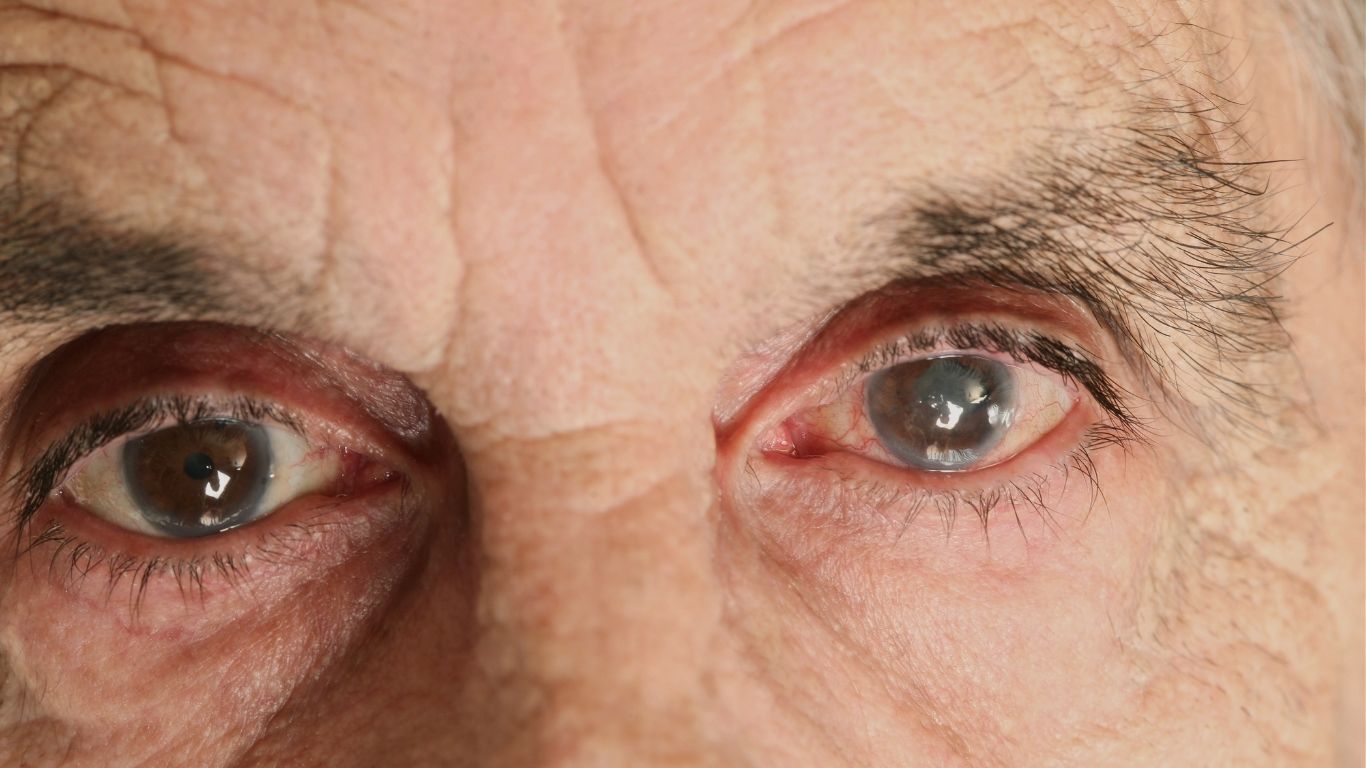
A cataract is a clouding of the eye’s natural lens, which lies behind the iris and pupil. It is the leading cause of blindness worldwide, but it is also highly treatable.
Symptoms and Causes: Early cataracts cause slightly blurred vision, glare from headlights at night, and faded or yellowed color perception. Many people report that streetlights seem to have halos or starbursts. Later, reading becomes difficult, and glasses prescriptions change frequently. The primary cause is aging, but risk factors include diabetes, smoking, prolonged sunlight exposure without UV protection, eye injury, and long-term use of corticosteroid medications.
Effects: Cataracts develop slowly, and their effect is a gradual, painless decline in vision. This can rob a person of independence, making driving unsafe and increasing the risk of falls. In advanced stages, the pupil may appear milky white instead of black. Without surgery, cataracts eventually lead to legal blindness.
Prevention: While you cannot stop aging, you can delay cataracts. Wear UV-blocking sunglasses outdoors. Eat a diet rich in antioxidants like vitamin C (citrus, bell peppers), vitamin E (nuts, seeds), and lutein (leafy greens). Quit smoking. Manage diabetes and blood pressure. Regular eye exams catch cataracts early, when you can plan for eventual surgery rather than dealing with a crisis.
Homeopathic Consideration: Homeopathy does not dissolve cataracts, but some remedies are used to support eye health or manage associated symptoms. Calcarea fluorica is sometimes suggested for hard, stony cataracts in older adults. Causticum is considered when there is drooping of eyelids along with cataract. Senega is used for cataracts with a sensation of a film over the eyes. These are strictly complementary; the standard of care for significant cataracts remains surgical removal and lens replacement.
Glaucoma: The Silent Thief of Sight
Glaucoma is a group of eye diseases that damage the optic nerve, usually due to abnormally high pressure inside the eye (intraocular pressure). It is called the silent thief because it often has no early symptoms.
Symptoms and Causes: The most common form, open-angle glaucoma, develops slowly. Peripheral (side) vision is lost first, while central vision remains clear. Many people do not realize anything is wrong until the disease is advanced. Less common is angle-closure glaucoma, which is a medical emergency with sudden eye pain, headache, nausea, blurred vision, and seeing rainbow halos around lights. Causes include poor drainage of aqueous humor fluid, family history, high eye pressure, African or Hispanic ancestry, and conditions like diabetes.
Effects: Vision loss from glaucoma is permanent because the optic nerve cannot regenerate. By the time a person notices tunnel vision or blind spots, substantial damage has already occurred. Untreated glaucoma leads to total blindness. This is why regular eye pressure checks are crucial, especially after age forty.
Prevention: You cannot prevent glaucoma, but you can prevent blindness from it. Regular comprehensive eye exams that include measuring intraocular pressure and examining the optic nerve are essential. If you have risk factors, more frequent checks are advised. Moderate exercise may help lower eye pressure, but always ask your doctor first. Protect your eyes from injury, as trauma can trigger secondary glaucoma.
Homeopathic Consideration: Homeopathy is never a replacement for conventional glaucoma treatment, which includes pressure-lowering eye drops, laser, or surgery. However, some remedies are explored as supportive care for the person’s overall constitution. For example, Physostigma has been studied historically for its effects on intraocular pressure. Osmium is used for characteristic halos around lights. Gelsemium may be considered for glaucoma with deep aching pains and blurred vision. These should only be used under the guidance of a qualified homeopath working alongside an ophthalmologist.
Age-Related Macular Degeneration (AMD)
AMD affects the macula, the central part of the retina responsible for sharp, straight-ahead vision needed for reading, driving, and recognizing faces.
Symptoms and Causes: Early AMD may have no symptoms. As it progresses, you might notice blurriness in the center of your vision, straight lines appearing wavy (metamorphopsia), or a dark, empty area in the center. Dry AMD is the more common, slow form caused by thinning of the macula. Wet AMD is less common but more severe, involving abnormal blood vessel growth that leaks fluid and blood. Risk factors include age over fifty, smoking, family history, and high blood pressure.
Effects: AMD destroys central vision, but it does not affect peripheral vision, so people are never totally blind from it. However, losing the ability to read, drive, or see faces clearly is devastating. Depression and social isolation are common among those with advanced AMD. It also increases the risk of falls and injuries.
Prevention: Not all AMD is preventable, but lifestyle matters enormously. Do not smoke. Eat a diet rich in green leafy vegetables (spinach, kale), colorful fruits, and fish high in omega-3s. Protect your eyes from blue light and UV radiation. The AREDS2 vitamin formula (specific high-dose antioxidants and zinc) has been shown to reduce progression in intermediate AMD. Regular eye exams with a dilated fundus exam can detect early changes.
Homeopathic Consideration: Homeopathic remedies are chosen for the individual’s overall symptom picture. Phosphorus is sometimes used for AMD with seeing spots or flashes of light, and a feeling of fatigue around the eyes. Argentum nitricum is considered when there is a sensation of things moving or shimmering. Secale cornutum has a historical use for retinal degeneration with hemorrhages. As with glaucoma, homeopathy should complement, not replace, standard monitoring and treatment.
General Prevention: Daily Habits for Healthier Eyes
Beyond condition-specific advice, several universal habits protect all aspects of eye health. First, schedule comprehensive dilated eye exams on a schedule appropriate for your age and risk factors. Second, wear protective eyewear for sports, home repairs, and yard work. Third, manage systemic health—diabetes, hypertension, and high cholesterol all affect the eyes. Fourth, follow the 20-20-20 rule for digital devices. Fifth, do not sleep in contact lenses. Sixth, eat for your eyes: vitamin A (carrots, sweet potatoes), vitamin C, vitamin E, zinc, lutein, and zeaxanthin. Seventh, stay hydrated. Eighth, give up smoking if you currently smoke.
A Balanced View on Homeopathic Treatment
Homeopathy is a system of medicine based on “like cures like,” using highly diluted substances. For common eye problems, many people report relief from symptoms like dryness, strain, itching, and sensitivity to light when using constitutional homeopathic treatment. It is particularly appealing because homeopathic remedies are non-toxic and have no drug interactions. However, it is critical to understand that homeopathy does not replace conventional care for serious, progressive, or sight-threatening conditions like cataracts, glaucoma, diabetic retinopathy, or bacterial keratitis. Always see an optometrist or ophthalmologist for a proper diagnosis. If you choose to explore homeopathy, work with a licensed, experienced homeopath who can take your full case history and prescribe a remedy tailored to you, not just your eye problem. Never delay proven treatments in favor of homeopathy alone, as vision loss is often irreversible.
FAQs About Homeopathic Remedies for Common Eye Problems
1. Can homeopathy cure eye problems like cataracts or glaucoma?
This is the most common question, and the answer requires honesty. Homeopathy does not have the ability to reverse advanced structural changes such as a mature cataract (clouded lens) or regenerate optic nerve fibers lost to glaucoma. However, many homeopaths and patients report that constitutional homeopathic treatment can help slow the progression of certain degenerative conditions, manage associated symptoms like glare or eye strain, and improve overall eye comfort. For cataracts and glaucoma, conventional treatments like surgery or pressure-lowering drops remain the standard of care. Homeopathy is best used as a complementary approach, not a replacement.
2. Are homeopathic eye drops safe and effective?
You will find homeopathic eye drops in health stores, often labeled for dry eye, conjunctivitis, or eye strain. These are typically diluted solutions of remedies like Euphrasia (eyebright) in a saline base. For mild, self-limiting issues like irritation from allergies or computer use, they are generally safe because the active ingredients are highly diluted. However, be cautious. Any eye drop that comes in a multi-dose bottle contains preservatives, which can actually worsen dry eye over time. More importantly, if you have a bacterial infection, relying solely on homeopathic drops without antibiotics can delay proper treatment and lead to complications. For chronic or serious conditions, internal homeopathic remedies (pellets taken by mouth) are more commonly prescribed than topical drops.
3. How do I choose the right homeopathic remedy for my eye problem?
Unlike conventional medicine, where one drug treats one condition (e.g., antibiotic for pink eye), homeopathy selects a remedy based on your unique symptom picture. Two people with dry eye may need completely different remedies. One person might have burning, watery eyes worse in warm rooms (Pulsatilla), while another has sharp, stabbing pains with acrid tears that burn the cheeks (Euphrasia). A third person might have dry, scaly eyelids with burning relieved by warm compresses (Arsenicum album). This is why seeing a professional homeopath is far more effective than guessing from a list. They will ask about your specific sensations, what makes symptoms better or worse, your general health, sleep, digestion, and even emotional state.
4. Can I use homeopathic remedies alongside my prescription eye drops?
Yes, generally homeopathic remedies are compatible with conventional medications, including prescription eye drops for glaucoma, dry eye, or allergies. Homeopathic pellets are usually taken by mouth, and they work on a subtle energetic level. They do not chemically interact with drugs. However, you should always inform both your ophthalmologist and your homeopath about all treatments you are using. Never stop or reduce your prescribed eye drops without medical supervision, especially for glaucoma, where even a temporary rise in eye pressure can cause vision loss.
5. How long does it take to see results from homeopathic treatment?
This varies dramatically depending on the condition. For acute problems like recent-onset allergic conjunctivitis or eye strain from long hours at a computer, you might notice improvement within hours or a few days. For chronic issues like dry eye syndrome, recurrent styes, or early cataracts, homeopaths often recommend giving a remedy at least four to six weeks before evaluating progress. Some people experience a gradual, subtle shift—they realize one day that they are not reaching for lubricating drops as often. Others may need a different remedy if the first choice does not help. Patience and careful observation are key.
6. Are there any side effects of homeopathic remedies for the eyes?
Homeopathic remedies, when prepared correctly, are diluted to the point where they contain little to no original chemical substance. This makes them extremely safe and free from toxic side effects. However, a small percentage of people experience what homeopaths call a “healing aggravation,” where symptoms temporarily worsen very briefly before improving. This is seen as a positive sign that the remedy is working. If you experience a severe or prolonged worsening, stop the remedy and consult your homeopath. Also, the sugar pellets (lactose or sucrose) are a consideration for people with severe lactose intolerance or diabetes, though the amount per dose is tiny.
7. What is the best homeopathic remedy for dry eye syndrome?
There is no single “best” remedy because dry eye has different causes and sensations. That said, several remedies are commonly prescribed. Euphrasia is for acrid, burning tears that feel rough like sand, often with sensitivity to light. Pulsatilla suits thick, creamy, non-irritating discharge that is worse in warm rooms and better in cool open air. Arsenicum album helps when there is burning, scalding pain relieved by warm compresses, and the person feels anxious or restless. Natrum muriaticum is useful for dry, gritty eyes with a sensation of splinters, often in people who are reserved or have old grief. A professional case analysis is always best.
8. Can homeopathy help prevent eye problems from getting worse?
Many people turn to homeopathy specifically for prevention, especially if they have a strong family history of glaucoma or macular degeneration. While no rigorous large-scale studies prove homeopathy prevents these conditions, clinical experience suggests that constitutional treatment may support overall ocular health, reduce inflammation, and improve the body’s resilience. For example, a person prone to recurrent styes or blepharitis might find that a well-chosen remedy like Staphysagria or Hepar sulphuris reduces the frequency and severity of flare-ups. Homeopathy is most realistic when seen as part of a broader preventive strategy that includes diet, lifestyle, and regular eye exams.
9. Are homeopathic remedies regulated or tested for eye problems?
In the United States, homeopathic remedies are regulated as over-the-counter drugs by the FDA, but the standards are different from conventional drugs. Manufacturers must follow the Homeopathic Pharmacopoeia of the United States. However, most homeopathic products have not undergone rigorous clinical trials for specific eye conditions. The evidence is largely based on historical use (known as “provings”), case reports, and clinical experience. This does not mean they are ineffective—many conventional drugs started with anecdotal evidence—but it does mean you should approach grand claims with healthy skepticism. A responsible homeopath will never promise a cure for blindness or advanced disease.
10. Should I see a homeopath or just buy a remedy online?
If you have a simple, mild, self-diagnosed issue like temporary eye strain or a minor allergy flare-up, trying a single common remedy like Euphrasia 30C from a reputable brand is low-risk. Keep a symptom diary. But if you have a diagnosed eye disease, recurrent problems, or symptoms that persist beyond a few days, definitely consult a qualified professional homeopath. They will take a full case history, which is essential for chronic eye conditions. Buying random remedies online based on a label reading “for conjunctivitis” is unlikely to help and may lead to frustration. A good homeopath is like a detective, matching the unique pattern of your symptoms to the right remedy.
11. Can children use homeopathic remedies for eye problems?
Yes, children respond very well to homeopathy because it is gentle, tasteless (pellets dissolve easily), and free from sedation or side effects. Common childhood eye issues like allergic conjunctivitis from pollen, recurrent styes, or red, irritated eyes from swimming pool chlorine are often helped with remedies like Apis mellifica (for swollen, puffy, stinging eyes) or Euphrasia. Always consult a homeopath or a pediatrician before giving any treatment to a very young child, and never use homeopathy to delay medical care for a serious infection or eye injury.
12. What potency of homeopathic remedy is typically used for eye problems?
Potencies vary, but for self-care of acute, mild eye issues, 6C, 12C, or 30C are common. A 30C potency is often used for acute allergies or irritation, taken three to four times daily for a few days. For chronic conditions under professional supervision, higher potencies like 200C or 1M might be used less frequently (once weekly or monthly). As a general rule for home use: start with a lower potency (6C or 30C), take it for a short period (three to five days), and stop if there is no improvement. If symptoms worsen, stop immediately. A professional homeopath will guide you on the correct potency and dosage schedule.
13. Does homeopathy work for digital eye strain from screens?
Many people report benefit from homeopathy for the headache, dryness, and fatigue associated with prolonged screen use. Ruta graveolens is a well-known remedy for eye strain from excessive close work, especially when there is a feeling of bruising or tiredness in the eye muscles. Another is Picricum acidum, for heavy, drooping eyelids and mental fatigue with a sensation that the eyes are being pulled downward. However, homeopathy works best alongside practical measures: reducing screen brightness, using blue-blocking filters, the 20-20-20 rule, and artificial tears as needed.
14. Is homeopathy covered by insurance for eye problems?
In most countries, including the United States, homeopathy is not covered by standard medical insurance unless you have a specific rider or a plan that includes alternative medicine. Some flexible spending accounts (FSAs) or health savings accounts (HSAs) may reimburse for visits to a licensed homeopath or homeopathic remedies, but you should check your plan details. In countries like India, Germany, or Switzerland, homeopathy is more integrated into national health systems and may be partially covered. Always ask for a receipt with a diagnosis code if you plan to seek reimbursement.
15. What should I do if a homeopathic remedy doesn’t work for my eye problem?
First, do not keep taking the same remedy indefinitely. If there is no improvement after a reasonable trial (one to two weeks for acute issues, four to six weeks for chronic), the remedy is likely not the correct match. Reassess your symptoms. Did you misinterpret them? Did a new symptom appear? Consult a professional homeopath for a repertorization. Also, and this is crucial, ask yourself whether your eye problem needs conventional medical evaluation. Persistent redness, pain, vision changes, discharge, or light sensitivity should never be ignored. Homeopathy is a wonderful tool, but it is not a substitute for a timely examination by an optometrist or ophthalmologist. Protecting your vision always comes first.
Final Thoughts
Our eyes are irreplaceable. The most common eye problems—refractive errors, dry eye, conjunctivitis, cataracts, glaucoma, and AMD—affect virtually everyone at some stage of life. The good news is that many of these are preventable, treatable, or manageable with early detection. Listen to your eyes. That persistent dryness, that subtle blur, that new glare at night—these are messages. Respect them. Combine smart prevention, regular professional checkups, and, if you wish, a supportive homeopathic approach that treats you as a whole person. Your future self, looking out at a sunset or into the eyes of a loved one, will thank you.