Homeopathic Remedy Aesculus Hippocastanum: The Remedy for a Heavy, Backward-Pressing Life
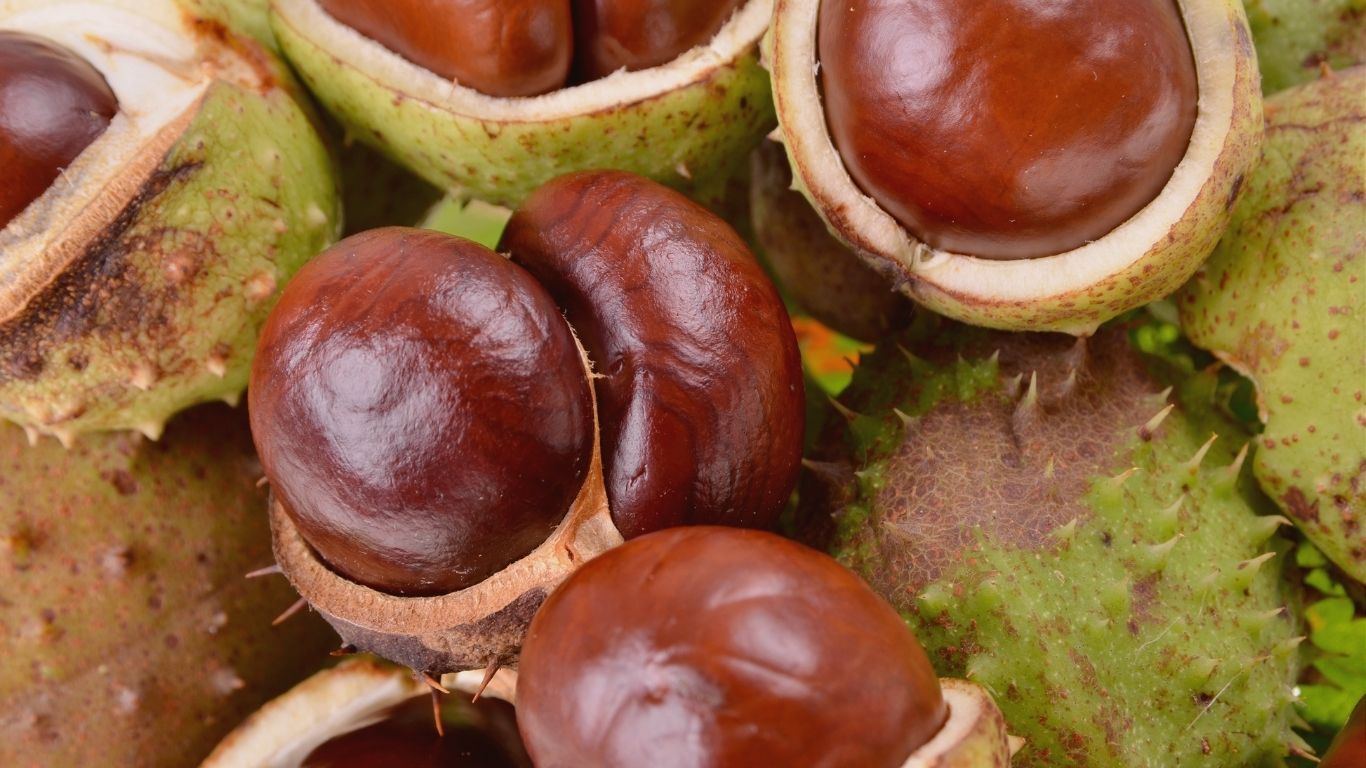
In the vast and nuanced world of homeopathy, few remedies paint as vivid a picture of stagnation and venous engorgement as Aesculus hippocastanum. Known commonly as the horse chestnut, this towering tree, with its distinctive spiny husks and glossy mahogany seeds, offers more than just autumnal charm. To the homeopath, it is a deep-acting constitutional and local remedy, most famous for its almost specific action on the venous system, particularly the rectum and the pelvis. This article explores the remedy from its botanical origins to its subtle side effects, providing a comprehensive guide for students, practitioners, and curious patients alike.
Origin and Botanical Background
The horse chestnut tree is native to the mountainous regions of the Balkans, specifically in northern Greece, Albania, and North Macedonia. However, it has been widely cultivated across Europe and North America as an ornamental shade tree. The name Aesculus is derived from the Latin term for a type of oak, while hippocastanum translates to “horse chestnut,” a name given because the hard, shiny seeds were once used to treat respiratory ailments in horses. It is crucial to distinguish the horse chestnut from the unrelated sweet chestnut (Castanea sativa), which is edible. The raw seeds of Aesculus contain a toxic saponin called aesculin, making them poisonous in their crude form. This toxicity is completely neutralized through the homeopathic process of potentization.
Extraction and Preparation of the Homeopathic Remedy
The homeopathic remedy is prepared from the ripe seeds of the horse chestnut tree, collected in autumn when they have naturally fallen to the ground. The process respects the traditional Hahnendorian method. First, the fresh seeds are crushed into a pulp. This pulp is then macerated in alcohol (typically 90% ethanol) for several weeks to create the mother tincture, designated as Ø. From this tincture, the classic homeopathic potencies are produced through serial dilution and succussion (vigorous shaking). For low potencies like 3x or 6c, the focus is more on local and acute applications. For deeper, constitutional prescribing, potencies such as 30c, 200c, and higher are used, where the original toxic plant material is no longer present in any material sense, leaving only the energetic blueprint of the remedy.
Key Symptoms
The foundational pathology of Aesculus hippocastanum is venous stasis and engorgement, leading to a feeling of fullness, heaviness, and congestion in dependent parts of the body. The patient requiring this remedy often feels worse from heat, worse in the morning upon waking, and worse from standing or prolonged sitting. They feel better from cool, open air and from lying on the back or side. The most characteristic sensation is a “backward-pressing” pain, as if a hard, dull object is pushing from the inside out, particularly in the lower back and rectum.
Rectal and Hemorrhoidal Symptoms (The Core Indication)
Aesculus is arguably the leading homeopathic remedy for non-bleeding, blind hemorrhoids (piles). The patient experiences large, purple, congested external or internal hemorrhoids that are very painful. The pain is not sharp or stitching but rather a constant, dull, aching, and bursting sensation. A key feature is a severe backache that accompanies the hemorrhoids. The lower back feels weak, sore, and as if it is breaking. There is intense dryness of the rectal mucous membranes, leading to constipation. The stool is hard, dry, and passes as small, round, separate balls (like sheep dung), and the passage is extremely painful. Bleeding, if present, is usually dark and venous. Critically, the patient feels almost no relief after a bowel movement; instead, the pain and pressure often worsen for hours afterward.
Venous and Circulatory Complaints
Beyond the rectum, Aesculus acts on the entire venous system. Varicose veins, especially in the lower legs, are a major indication. The legs feel heavy, tired, achy, and are often swollen, particularly around the ankles. The skin over the varices may be dry, rough, and sensitive. Patients often complain of a sensation of “sticks and stones” in the legs. Hemorrhoids and varicose veins in pregnancy frequently respond to this remedy.
Hepatic and Digestive Symptoms
Aesculus also has a marked affinity for the portal system (the vein system that drains the digestive tract into the liver). There is often a feeling of fullness and pressure in the liver area, with a dull ache beneath the right ribs, worsened by pressure. Patients may complain of a bitter taste in the mouth in the morning, a thickly coated tongue, and nausea after eating. Despite the constipation, they may have frequent, ineffectual urging to stool, accompanied by a feeling that the rectum is full of small sticks or splinters. They may also report a sensation that the lower part of the back is in a vice.
Respiratory and Throat Symptoms
Less commonly known, Aesculus is indicated for a unique throat symptom: a sensation of a hard-boiled egg or a large, round object stuck in the throat, which is not relieved by swallowing. This feels different from the globus hystericus of Ignatia (which comes and goes with emotion) or the sharp splinter-like sensation of Argentum nitricum. The throat is often dry, raw, and feels as if the mucous membrane has been abraded.
Mental and Emotional Picture
Though not primarily a mental remedy, Aesculus patients have a characteristic disposition. They are often irritable, depressed, and discouraged, largely because of the chronic, unrelenting pain and discomfort of their physical symptoms. They feel worn out and dragged down by their own bodies. There is a sense of being “weighed down” by life. They may experience morning depression upon waking, which lifts as the day progresses, especially if they can get into cool, open air. Unlike the suicide-inducing melancholia of Aurum metallicum or the weeping sadness of Pulsatilla, the Aesculus mood is one of weary resignation.
Clinical Uses and Therapeutic Applications
-
Hemorrhoids (Blind, non-bleeding, purple, painful with backache): This is the premier indication. Aesculus 30c taken twice daily for a week can dramatically reduce the congestion and pain.
-
Varicose Veins and Leg Heaviness: Especially in those who stand for long hours (e.g., shop assistants, surgeons). Aesculus 6x or 30c can reduce swelling and the sensation of fatigue in the calves.
-
Constipation with Rectal Dryness: When the stool is hard, dry, and expelled as small balls, and the rectum feels sore and dry even without hemorrhoids.
-
Venous Congestion of Pregnancy: For hemorrhoids, varicose veins, and leg edema in pregnant women (always under professional guidance).
-
Chronic Lower Backache: When the pain is dull, pressing, and feels worse from stooping and rising, and better from lying on the back.
-
Catarrhal Conditions: Thick, ropy, offensive nasal discharge, particularly when associated with a dull, congestive headache at the base of the brain (occiput).
Potencies and Administration
The choice of potency depends on the acuteness and depth of the condition.
For acute hemorrhoidal flare-ups or acute constipation, lower potencies like 6c, 12c, or 30c are typically used. A common protocol is to take 3-5 pellets of Aesculus 30c, three times daily for 3-5 days, and then stop to observe the response.
For chronic varicose veins, recurrent hemorrhoids, or a constitutional venous tendency, a higher single dose of 200c or even 1M is sometimes prescribed by a professional homeopath, given once every few weeks or months.
Potency is always a guide, not a rule. The patient who is highly sensitive may need a lower, less frequent dose. As with all homeopathic remedies, the principle “less is more” applies. Once improvement begins, dosing should be stopped and only repeated if symptoms relapse.
Side Effects and Precautions
This is a critical section, as confusion with the crude herb is common. The homeopathic remedy Aesculus hippocastanum, prepared according to official pharmacopoeias, is non-toxic and has no known adverse drug interactions. It is safe for children, pregnant women, and the elderly when used in homeopathic potencies.
However, the raw, unprocessed horse chestnut seeds are poisonous. Ingesting them can cause severe gastrointestinal irritation, vomiting, diarrhea, muscle twitching, and even paralysis. Topical application of crude horse chestnut extracts, while used in herbal medicine (standardized for aescin content), can cause skin irritation in some individuals. Homeopathic Aesculus should never be confused with the herbal tincture.
A mild homeopathic aggravation (a temporary worsening of existing symptoms) can occur in very sensitive individuals, especially after a high potency. This is generally short-lived and is considered a sign that the remedy is acting. If this occurs, stop the remedy and wait. If symptoms persist or worsen, consult a qualified homeopath.
Prevention and Lifestyle Considerations
While a homeopathic remedy cannot “prevent” hemorrhoids or varicose veins in the same way a vaccine prevents infection, prophylactic use of Aesculus in low potency (e.g., 6c once a week) may be considered for individuals with a known venous weakness who must undergo prolonged standing, heavy lifting, or during the third trimester of pregnancy. This should be individualized.
Prevention in the broader sense involves lifestyle measures that Aesculus supports: regular moderate exercise (walking, swimming) to promote venous return, elevation of the legs when resting, a high-fiber diet to soften stool, and avoidance of straining during defecation. The remedy works best when it is an adjunct to, not a replacement for, these healthy habits.
Comparisons with Other Homeopathic Remedies
Understanding Aesculus is often best achieved by contrasting it with its closest homeopathic relatives.
Aesculus vs. Hamamelis virginiana (Witch Hazel): Both are venous remedies. Hamamelis is for bleeding, sore, bruised veins. The hemorrhoids of Hamamelis tend to bleed profusely, with dark, passive blood. The pain is more of a general sore, bruised feeling all over the affected area. Aesculus has more severe, dull, bursting pain with intense dryness, and the backache is a defining feature absent in Hamamelis.
Aesculus vs. Nux vomica (Poison Nut): Both cause constipation and hemorrhoids. Nux vomica patients are driven, ambitious, and oversensitive to stimuli (noise, light, odors). Their constipation is characterized by constant ineffectual urging, but they feel a satisfying relief after a successful stool, which is not the case with Aesculus. Nux vomica hemorrhoids are more painful and stitching, and the patient is chilly, irritable, and worse from cold. Aesculus is worse from heat and better from cool open air.
Aesculus vs. Collinsonia canadensis (Stone Root): Another major hemorrhoid remedy. Collinsonia is specifically for hemorrhoids with intense itching and a sensation of sharp sticks or gravel in the rectum. The constipation of Collinsonia is such that the stool seems to be stuck at the anus, requiring manual pressure. Collinsonia patients also have a sensation of a lump in the throat, similar to Aesculus, but Collinsonia has more marked cardiac symptoms (palpitations) and a sense of fatigue in the pelvic floor. Aesculus is more about pure venous congestion without the pronounced itching.
Aesculus vs. Aloe socotrina (Aloe): Aloe is for hemorrhoids that are very sensitive and protrude like a bunch of grapes. They are relieved by cold water. The patient has a sudden, urgent, almost uncontrollable diarrhea, especially in the morning, with jelly-like mucus. Aesculus has constipation, not diarrhea. Aloe lacks the lower backache that centers Aesculus.
Aesculus vs. Rhus toxicodendron (Poison Ivy): Both have backache that is worse at rest and better from motion. However, Rhus back pain is tearing, stitching, and relieved by continued gentle motion, but worse from cold, damp weather. Aesculus back pain is a dull, heavy, pressing weight, worse from standing and stooping, and is directly connected to rectal symptoms. Rhus has no specific venous or hemorrhoidal affinity.
Aesculus vs. Sepia (Cuttlefish Ink): Both have a bearing-down sensation in the pelvis and are useful for varicose veins in pregnancy. Sepia has a more hormonal, female-oriented picture (irritability, indifference to loved ones, prolapse sensation). The Sepia backache is relieved by firm pressure or lying on a hard surface, and she is worse from dancing or jarring. The Aesculus patient is less hormonally driven and more fixated on the sheer physical weight and pressure of the venous overload.
Frequently Asked Questions About Homeopathic Remedy Aesculus Hippocastanum
1. What is Aesculus hippocastanum used for in homeopathy?
Aesculus is best known as a leading remedy for venous problems, especially hemorrhoids (piles) and varicose veins. Its most characteristic use is for large, purple, painful hemorrhoids that do not bleed much but cause a dull, bursting pain. There is often a severe, dragging backache that accompanies the rectal symptoms. It is also used for constipation where the stool is hard, dry, and passed as small round balls, and for heavy, tired, swollen legs with varicose veins.
2. Is the homeopathic remedy safe even though the raw horse chestnut is poisonous?
Yes, completely safe. The raw horse chestnut seeds contain a toxic substance called aesculin, which can cause vomiting, diarrhea, and even paralysis if eaten. However, the homeopathic preparation is made through a process of repeated dilution and vigorous shaking (succussion). By the time the remedy reaches even a low potency like 6c or 30c, no molecules of the original toxic substance remain. Only the energetic healing pattern is retained. You cannot poison yourself with homeopathic Aesculus.
3. Can I take Aesculus for hemorrhoids that bleed a lot?
Aesculus is more suited to “blind” hemorrhoids (non-bleeding or only very dark, minor bleeding). If your hemorrhoids bleed profusely, with bright red blood and a sore, bruised feeling, another remedy like Hamamelis virginiana (witch hazel) is often a better choice. For bleeding that is passive, dark, and venous, Aesculus may still help, but it is not the first choice for active, bright red bleeding.
4. How do I know if Aesculus is the right remedy for my constipation?
You can suspect Aesculus if your constipation feels dry, hard, and painful. The stool typically comes out as small, separate, hard balls (resembling sheep or rabbit droppings). The rectum feels dry and sore, and passing stool is very uncomfortable. Unlike with other remedies, you get little to no relief after a bowel movement; instead, the pain and pressure in the rectum and lower back often worsen for hours afterward.
5. What potency of Aesculus should I take, and how often?
For an acute flare-up of hemorrhoids or constipation, a low to medium potency like 6c, 12c, or 30c is commonly used. A typical approach is to take 3 to 5 pellets of Aesculus 30c, two or three times daily, for no more than 3 to 5 days. Stop once you see improvement. For chronic, recurring issues like varicose veins or a long-standing tendency to piles, a single higher dose (200c or 1M) is best taken only under the guidance of a professional homeopath. If symptoms worsen after taking the remedy, stop immediately.
6. Are there any side effects from taking homeopathic Aesculus?
Side effects are extremely rare due to the high dilutions. In very sensitive individuals, a temporary “homeopathic aggravation” can occur, meaning your existing symptoms may seem slightly worse for a short time (a few hours to a day). This is generally considered a positive sign that the remedy is working. If it happens, stop the remedy and wait. If discomfort persists or is severe, consult a homeopath. No drug interactions with conventional medications have been reported.
7. How is Aesculus different from other hemorrhoid remedies like Nux vomica or Collinsonia?
This is a key distinction.
Aesculus: Dull, bursting pain in purple, non-bleeding piles with severe lower backache. Constipation with dry, hard, ball-shaped stool. No relief after stool. Worse from heat, better from cool open air.
Nux vomica: Stitching, sharp pain in hemorrhoids. Constant ineffectual urging to stool, but relief after a successful movement. Patient is chilly, irritable, and oversensitive. Worse from cold.
Collinsonia: Hemorrhoids with intense itching and a sensation of sharp sticks or gravel in the rectum. Often accompanied by a feeling of a lump in the throat and palpitations. Not primarily a backache remedy.
8. Can pregnant women use Aesculus?
Yes, homeopathic Aesculus is considered safe during pregnancy because it contains no active chemical material. It is often very helpful for hemorrhoids and varicose veins that develop during the third trimester, especially when accompanied by a dragging lower back pain. However, as with any remedy during pregnancy, it is wise to consult a qualified homeopath or your healthcare provider before use.
9. How should I take and store Aesculus pellets?
Homeopathic pellets are delicate. Avoid touching them with your hands. Instead, tip the required number of pellets into the cap of the vial and then drop them directly under your tongue. Let them dissolve completely. Do not eat, drink, or brush your teeth for 15 to 20 minutes before and after taking the remedy. Store the remedy away from strong smells (mint, camphor, coffee, perfumes), direct sunlight, and electromagnetic fields (away from microwaves, refrigerators, and mobile phones). Keep the vial tightly closed.
10. Does Aesculus work for varicose veins in the legs even without hemorrhoids?
Absolutely. Aesculus has a strong affinity for the entire venous system. Many people use it for heavy, aching, swollen legs with visible varicose veins, even if they have no rectal issues at all. The typical leg symptoms include a sensation of “sticks and stones” inside the calves, fatigue on standing, and swelling around the ankles that improves with leg elevation and cool air. It is particularly useful for people who stand for long hours at work.
11. Can I use the herbal horse chestnut cream or tincture instead of the homeopathic remedy?
No, these are completely different. Herbal horse chestnut extracts contain measurable amounts of aescin and are used for topical application or internal use in standardized doses. They can cause skin irritation or digestive upset if misused. Homeopathic Aesculus is taken orally in pellet or liquid form and works on an energetic level. They are not interchangeable. Never attempt to make your own homeopathic remedy from raw horse chestnuts.
12. How long does it take to see results with Aesculus?
For acute hemorrhoidal pain or a bout of hard constipation, you may notice improvement within 24 to 48 hours of taking the correct potency. For chronic varicose veins or longstanding venous insufficiency, it may take several weeks of intermittent dosing (under professional guidance) to see significant changes. If you see no improvement at all after 5 to 7 days of appropriate use, Aesculus is likely not the correct remedy for you, and a different remedy should be considered.
Conclusion
The remedy Aesculus hippocastanum is a masterpiece of homeopathic pharmacology. It teaches us that symptoms are not random; they are the language of the vital force attempting to adapt. The heavy, stagnant, backward-pressing sensation of this remedy is the same sensation experienced by someone whose life feels burdened, unsupported, and unable to flow freely. Whether it is a painful hemorrhoidal nodule, a tortured varicose vein, or a dull, dragging sacral ache, Aesculus whispers that the path to healing lies not in forcing movement, but in restoring the natural, effortless flow of venous return. It is a remedy of great weight—literal and metaphorical—and for the right patient, it can lift a burden they have carried for years, returning a sense of lightness and ease to the lower half of the body and, by extension, to the spirit that resides within it.