Homeopathic Remedies for Common Nail Problems: A
Comprehensive Guide to Symptoms, Causes, Effects, Prevention and Treatment
Introduction
Our nails are often the first indicators of our overall health. They are not just aesthetic accessories; they are complex structures made of a protein called keratin that protect the sensitive tips of our fingers and toes. However, they are constantly exposed to trauma, moisture, and pathogens, making them susceptible to a variety of common problems. From the pain of an ingrown toenail to the persistent frustration of fungal infections, these conditions can range from a mere cosmetic annoyance to a sign of a more serious underlying health issue. This detailed guide explores the most common nail problems, their symptoms and causes, their effects on daily life, effective prevention strategies, and a thorough look at homeopathic remedies that can offer a gentle, non-toxic approach to healing.
An Overview of Common Nail Problems and Their Symptoms
Fungal Nail Infections (Onychomycosis)
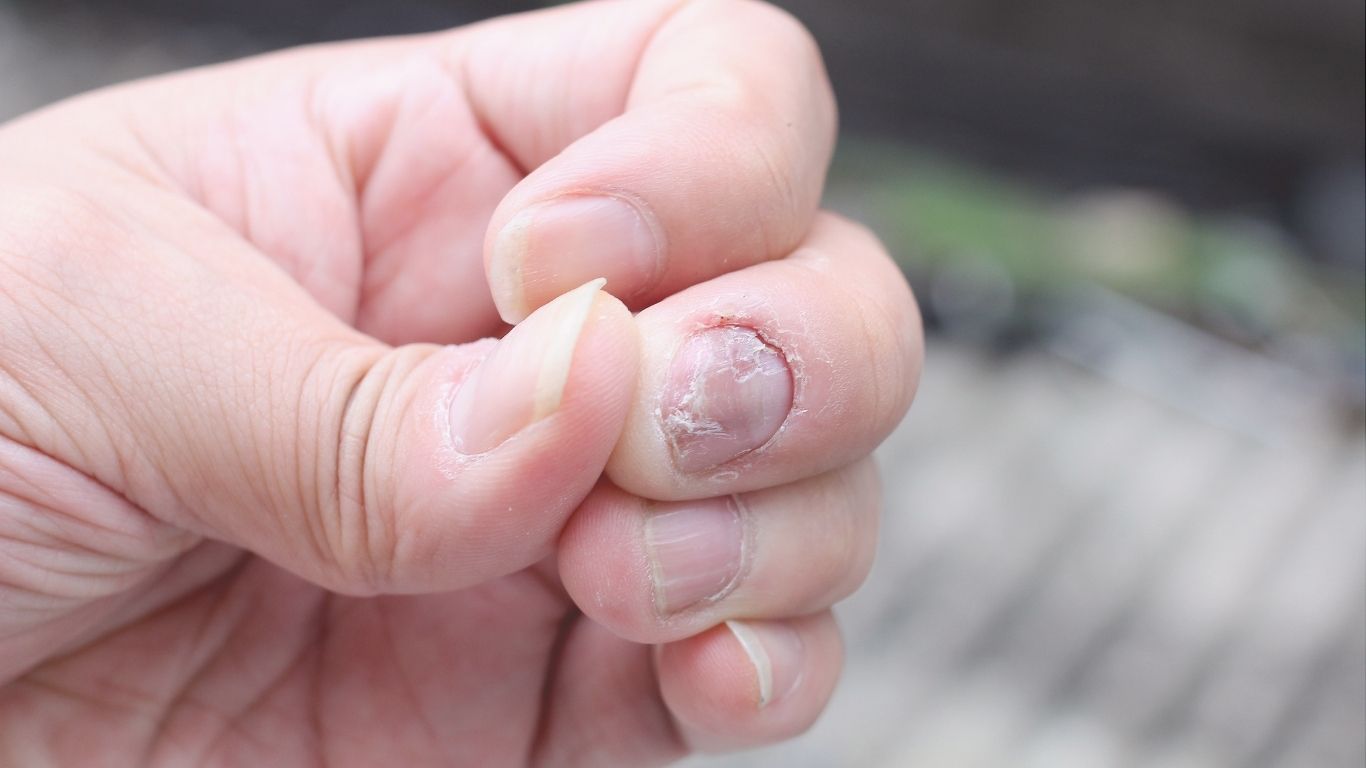
This is arguably the most common and stubborn nail problem one can face. Medically known as onychomycosis, it affects up to 20 percent of the population and can affect both men and women of all ages . A fungal infection typically begins as a small white, yellow, or brown spot under the tip of the nail . As the fungus burrows deeper, it feeds on the keratin in the nail, leading to a cascade of symptoms. The nail often becomes thickened, brittle, and crumbly, developing an unusual shape and a dull, discolored appearance . In some cases, the nail may even separate from the nail bed, a condition known as onycholysis, and a slightly foul odor may be present . The fungus that causes this thrives in warm, moist environments, which is why it is so prevalent on the feet .
Ingrown Toenails (Onychocryptosis)
An ingrown toenail occurs when a corner or side of the nail grows downward and digs into the surrounding skin . This condition most frequently affects the big toe. The initial symptoms are usually subtle but progress over time. You may first notice mild soreness and tenderness along the edge of the nail, which is often accompanied by localized swelling and redness . If the skin is broken by the nail, it creates an entry point for bacteria, which can lead to a painful infection. This can result in increased pain, warmth, and even the drainage of pus from the area . An ingrown toenail is a classic example of how a simple problem can escalate if left untreated.
Brittle, Splitting, or Peeling Nails
These are some of the most frequently encountered nail complaints, often categorized as common changes rather than diseases . Nails can become dry and brittle, causing them to split or peel easily, especially at the free edge. Fingernails are more prone to this problem than toenails, often due to environmental factors . The nails may feel soft and thin, or conversely, hard and overly brittle, making them prone to cracking and fraying.
Nail Trauma and Injuries
Given that our hands are our primary tools, it’s no surprise that nail injuries are incredibly common . This includes everything from accidentally tearing a nail on an object to smashing a finger in a door. A common result of trauma is a subungual hematoma, where blood collects under the nail, causing it to turn a striking black, purple, or brown color . While usually not serious, these injuries can be intensely painful due to the pressure building up under the nail. Another common trauma is the separation of the nail from the nail bed, which can be caused by injury or even a reaction to harsh chemicals or artificial nails .
The Hidden Causes: Why Do Nail Problems Occur?
Understanding the root cause of a nail problem is the first step toward effective treatment and prevention.
Environmental and Lifestyle Factors
For fungal infections, the environment is everything. The feet are the perfect breeding ground for fungi due to the warm, damp, and dark environment inside our shoes . Walking barefoot in public areas like locker rooms, swimming pools, and saunas significantly increases the risk of exposure to the fungi that cause athlete’s foot and, subsequently, nail fungus . For brittle and peeling nails, the primary culprits are often external. Frequent and prolonged exposure to water, harsh soaps, and household cleaning chemicals can strip the nails of their natural oils, leaving them dry and prone to damage . Furthermore, trauma, such as repetitive friction from running or improper nail trimming, can damage the nail and create an entry point for fungi or lead to an ingrown toenail .
Improper Nail Care
How we care for (or neglect) our nails plays a huge role in their health. Improper trimming is a leading cause of ingrown toenails. Cutting nails too short or rounding the corners encourages the nail to grow into the surrounding skin . Similarly, nail-biting can lead to a host of problems, including red, sore fingertips, bleeding cuticles, and an increased risk of bacterial infections around the nail bed . The excessive use of artificial nails and harsh nail polish removers can also weaken the nail plate, leading to splitting and peeling.
Underlying Health Conditions
Sometimes, nail problems are a window into our internal health. Conditions like diabetes, which impair circulation and weaken the immune system, can make one more susceptible to severe and recurring infections . Peripheral arterial disease, which reduces blood flow to the extremities, can also slow nail growth and make them more brittle and prone to discoloration . Autoimmune diseases and other conditions that compromise the immune system leave the body less capable of fighting off fungal invasions . In rare cases, a dark, black, or purple discoloration under a nail that has not been injured can be a sign of melanoma, a serious form of skin cancer, requiring immediate medical attention . This underscores the importance of not ignoring persistent or unusual nail changes.
The Effects: More Than Just a Cosmetic Issue
While many dismiss nail problems as purely cosmetic, their effects can be far more significant. A fungal infection, especially, is a progressive condition that worsens over time if left untreated . As the fungus invades deeper and the nail becomes thicker and more misshapen, it can become painful, making walking or wearing shoes difficult . This can severely impact one’s quality of life, leading to a reduction in physical activity and, for some, a sense of embarrassment or social anxiety.
The psychosocial impact is substantial. A 2025 case study published in the DPU’s Journal of Ayurved, Homeopathy and Allied Health Sciences used the Dermatology Life Quality Index (DLQI) to measure the impact of a severe fungal nail infection on a patient’s life. At the beginning of the study, the patient’s DLQI score was 16, indicating a “considerable” impact on her daily routine. This highlights how a condition like onychomycosis can affect everything from choosing footwear and performing daily tasks to social interactions and self-esteem . Furthermore, while conventional treatments like oral antifungals have higher success rates (between 40% and 80%), they carry risks, including gastrointestinal upset and rare liver damage, making the side effects a concern in themselves . Topical treatments, on the other hand, have a much lower cure rate, often as low as 20% .
Prevention: A Proactive Approach to Nail Health
Preventing nail problems is almost always easier than treating them, especially given the stubborn nature of conditions like fungal infections.
For Fungal Infections
Preventing fungal infections requires vigilance, especially for the feet. The golden rule is to keep feet as clean and dry as possible. This means drying feet thoroughly after showering, paying special attention to the spaces between the toes . Wearing clean socks every day and rotating shoes so they have a chance to fully dry out between wears can help prevent the moist environment fungi love . In public areas like gyms and pools, always wear shower shoes or sandals to minimize contact with contaminated surfaces .
For Ingrown Toenails
The most important preventative measure for ingrown toenails is proper nail trimming. Nails should be cut straight across, rather than rounded, and not too short . Wearing shoes that fit properly and have adequate room in the toe box is also crucial, as tight or narrow shoes are a significant risk factor .
General Nail and Skin Care
Protecting nails from environmental damage is key for preventing brittleness and splitting. Wearing rubber gloves when washing dishes or using harsh chemicals can shield nails from drying out . Regularly applying lotion to hands and nails can help maintain moisture and prevent cracking . It is also important to address hangnails properly—by clipping them off carefully with a clean nail clipper rather than pulling them, which can lead to painful and infected hangnails (paronychia) .
A Guide to Homeopathic Treatment for Nail Problems
Homeopathy offers a gentle, individualized approach to treating nail problems by stimulating the body’s natural healing mechanisms. Unlike conventional treatments, it aims to treat the person as a whole, not just the localized symptom, and is free from the toxicity often associated with long-term conventional drug use . A 2025 case report on subungual onychomycosis demonstrated a significant improvement after a single indicated dose, with the patient’s DLQI score dropping from 16 to 0 over five months, suggesting a substantial effect on her quality of life . While homeopathy is a promising and safe option, it is important to note that the U.S. Food and Drug Administration (FDA) has not evaluated many homeopathic products for safety or efficacy and lacks scientific evidence to support homeopathy as effective . The following remedies are among those commonly used in homeopathic practice for specific nail conditions.
Silicea
Silicea is a cornerstone remedy for many nail problems, known as a great tissue salt for conditions involving suppuration (pus formation) and poor nail growth. Its primary use is for brittle, soft, or crippled nails that are prone to infection and breakage . According to its homeopathic materia medica, it is indicated for nails that are sensitive, have white spots, or are afflicted with ulcers and a foul smell . It is often the remedy of choice when a nail is damaged, slow to heal, or when there is a tendency for recurrent paronychia. The FDA suggests it is for minor conditions like brittle nails and hair breakage but warns to consult a doctor if symptoms persist beyond seven days or worsen .
Calendula Officinalis
This remedy, derived from the marigold flower, is renowned in homeopathy as a premier agent for promoting healthy skin and wound healing. It is frequently used as a topical application for minor injuries, cuts, and abrasions, including those around the nail bed. In homeopathic formulations, it is often combined with other remedies to address pain, soreness, and inflammation associated with nail fungus . Calendula is indicated when there are inflamed, infected nail folds or when the skin around the nail is cracked and slow to heal. Its primary role is to support the body’s natural reparative processes, making it an excellent supportive remedy for any nail injury or infection.
Antimonium Crudum
This remedy is particularly well-suited for fungal infections of the nails, where the nails are brittle, discolored, and tend to chip off easily . It is also indicated when nails are thick, crooked, or have a horny appearance. The condition often accompanies other digestive or skin issues. Antimonium Crudum is a classic choice for onychomycosis, especially when the nails are crumbling and the person is prone to warts or other skin growths. For symptomatic relief of rough, brittle, or ingrown nails, complex formulas often include Antimonium Crudum .
Sulphur
In homeopathy, Sulphur is a deep-acting constitutional remedy often indicated in chronic skin problems. When it comes to nails, it is used for brittle, rough, or crumbling nails that peel easily . Nails under Sulphur’s indication are often associated with intense burning and itching of the skin, which is worse at night and from the warmth of the bed. The person who benefits from Sulphur often has a tendency to scratch the affected area constantly without obtaining relief. Its inclusion in complex homeopathic formulas for nails suggests its role in addressing constitutional predispositions to skin and nail issues.
Thuja Occidentalis
Thuja is a well-known homeopathic remedy for a variety of skin and nail conditions, particularly those involving warts and nail fungus. It is indicated in cases of crippled, deformed nails and for fungal infections of the nail bed that are difficult to treat . It is also used for nail problems that follow vaccinations or have a sycotic (wart-like) background. In some formulations, Thuja is combined with other antifungal remedies to provide relief from ringworm and fungal infections of the nails and skin .
Additional Homeopathic Remedies
Beyond the major remedies, other homeopathic medicines are used for specific nail-related conditions. Tellurium is sometimes indicated for ringworm and fungal infections where the patches form multiple overlapping rings and the itching is worse in cold air . Graphites is another remedy for rough, brittle, and deformed nails, especially when the skin around the nail is cracked and painful. For onycholysis (separation of the nail from the bed), Tuberculinum bovinum has been found to be an effective medicine in clinical studies, helping patients recover within a four-month period .
FAQs: Homeopathic Remedies for Common Nail Problems
1. What exactly are homeopathic remedies and how do they work for nail problems?
Homeopathic remedies are highly diluted natural substances derived from plants, minerals, or animal products. They work on the principle of “like cures like,” meaning a substance that causes certain symptoms in a healthy person can, in microdoses, stimulate the body to heal similar symptoms in a sick person. For nail problems, homeopathy does not simply attack the fungus or bacteria. Instead, it gently stimulates your immune system to recognize and fight off the infection or repair the nail tissue from within. Think of it as giving your body the signal to heal itself rather than forcing an external chemical to do the job.
2. Is homeopathy effective for stubborn fungal nail infections that haven’t responded to over-the-counter creams?
Yes, homeopathy can be particularly effective for chronic, recurrent, or stubborn fungal infections. Over-the-counter topical creams often fail because they only treat the surface and cannot penetrate deep into the nail bed where the fungus resides. Homeopathic remedies work systemically, meaning they address the root susceptibility that allows the fungus to thrive in the first place. A 2025 case study showed remarkable improvement in a patient with a severe fungal nail infection after a single carefully chosen homeopathic dose, with her quality of life score improving from “considerable impact” to zero over five months. However, because these infections are deep-seated, treatment requires patience and consistency.
3. How long does it typically take to see results with homeopathic treatment for nail fungus?
This is one of the most common questions, and the honest answer is that it varies significantly from person to person. Nail fungus is notoriously slow to treat because nails grow very slowly. A healthy fingernail takes about six months to completely regrow, while a toenail can take twelve to eighteen months. Homeopathic treatment works in tandem with this natural growth cycle. You may notice improvements in symptoms like pain, odor, or inflammation within a few weeks, but seeing a completely clear, healthy nail often takes several months. The key is consistency and patience, as the remedy supports the body’s gradual process of pushing out the infected nail material.
4. Can I use homeopathic remedies alongside my conventional antifungal medications?
In most cases, yes. Homeopathic remedies are highly diluted and generally do not interfere with pharmaceutical drugs. Many people use them as a complementary therapy to support their overall health while undergoing conventional treatment. However, it is always wise to inform both your conventional doctor and your homeopathic practitioner about all medications and remedies you are taking. This ensures that your treatment plan is coordinated and safe. Never stop a prescribed conventional medication without consulting your doctor first, even if you feel the homeopathic remedy is helping.
5. Are there any side effects or risks associated with homeopathic treatment for nails?
Homeopathic remedies are considered extremely safe when taken as directed. Because they are so highly diluted, they are non-toxic and do not cause the liver damage or gastrointestinal upset that some oral antifungal medications can cause. The most common “side effect” is a temporary worsening of symptoms, known in homeopathy as an “aggravation.” This is actually seen as a positive sign that the remedy is working and that the body is mobilizing its healing forces. However, if you experience severe pain, spreading redness, fever, or red streaks emanating from a nail infection, these are signs of a serious bacterial infection that requires immediate conventional medical attention. Homeopathy is not a substitute for emergency care.
6. How do I choose the right homeopathic remedy for my nail problem?
Choosing the right remedy is not as simple as picking one off a shelf based on the name of your condition. Homeopathy is highly individualized. Two people with the exact same fungal nail infection may need completely different remedies based on their unique symptoms, personality, triggers, and overall health history. For example, one person might need Silicea because their nails are brittle and slow to heal, while another might need Antimonium Crudum because their nails are thick and crumbling. For the best results, it is strongly recommended to consult a qualified homeopathic practitioner who will take a detailed case history and prescribe the most appropriate remedy and potency for you.
7. Can I use topical homeopathic creams or ointments directly on my nails?
Yes, topical homeopathic preparations can be very helpful as a supportive measure. Calendula cream, for example, is excellent for soothing inflamed, cracked skin around the nail and promoting wound healing. Some combination products contain homeopathic ingredients like Antimonium Crudum, Silicea, and Thuja in cream or gel form for direct application. However, it is important to understand that topical applications alone may not be sufficient for deep-seated infections like onychomycosis. The most effective approach often combines a systemic oral remedy (taken as pellets or drops) with a topical preparation to address both the internal susceptibility and the external symptom.
8. What should I do if my nail condition worsens after starting homeopathic treatment?
As mentioned earlier, a temporary mild worsening of symptoms can occur and is often a good sign. However, if the worsening is severe, causes significant pain, or if you develop signs of a spreading infection like fever, chills, or red streaks, you should stop the remedy and seek immediate medical attention. For milder aggravations, it is best to contact your homeopathic practitioner. They may advise you to stop the remedy for a few days, lower the potency, or change the frequency of dosing. Never continue a treatment that is causing you significant distress without professional guidance.
9. Is homeopathic treatment safe for children and elderly individuals with nail problems?
Homeopathy is one of the safest treatment modalities for both children and the elderly. Because the remedies are non-toxic and free from harsh chemicals, they are gentle enough for even the most sensitive individuals. This is particularly beneficial for elderly patients who may have multiple health conditions and be taking several conventional medications, as homeopathic remedies do not interfere with drug metabolism. For children, homeopathic remedies can be easily dissolved in a little water and are often more palatable than bitter conventional medicines. As always, treatment for children and the elderly should be guided by a qualified practitioner who can prescribe the appropriate dosage and potency.
10. Can homeopathy prevent nail problems from recurring?
Absolutely. This is one of the greatest strengths of homeopathic treatment. Conventional treatments often suppress symptoms temporarily but do not address the underlying susceptibility, which is why fungal infections and brittle nails so frequently return. Homeopathy aims to correct the imbalance in your system that allowed the problem to develop in the first place. By strengthening your immune system and improving your overall vitality, the right constitutional remedy can help prevent future episodes. Many patients find that not only does their nail condition improve, but they also experience better overall health, sleep, and energy levels.
11. How do I take homeopathic remedies correctly for nail problems?
Homeopathic remedies typically come in the form of tiny sugar pellets or liquid drops. The general rule is to take them on a clean palate, meaning at least fifteen minutes before or after eating, drinking, or brushing your teeth. The pellets should be allowed to dissolve under the tongue rather than chewed or swallowed whole. Avoid touching the pellets with your hands; instead, tip them directly into the cap and then into your mouth. It is also advisable to avoid strong substances like coffee, mint, and camphor while taking homeopathic remedies, as they can sometimes antidote or reduce the effectiveness of the medicine. Your practitioner will give you specific dosing instructions based on your case.
12. Can I use homeopathy for nail problems during pregnancy?
Homeopathy is widely considered a safe and gentle option during pregnancy and lactation. Many conventional medications for fungal infections carry warnings or risks for pregnant women, making homeopathy an attractive alternative. However, pregnancy is a delicate time, and it is absolutely essential to consult with both your obstetrician and a qualified homeopathic practitioner before starting any treatment, even a natural one. Your practitioner will choose the mildest and safest remedies and potencies suitable for your condition and stage of pregnancy.
13. What lifestyle changes support homeopathic treatment for nail fungus?
Homeopathic treatment works best when supported by good hygiene and lifestyle practices. Keeping your feet clean and thoroughly dry, especially between the toes, is essential. Wear breathable footwear and change socks daily, preferably choosing cotton or moisture-wicking materials. In public areas like gyms and pools, always wear shower shoes to avoid re-infection. A healthy diet rich in nutrients that support nail health, such as biotin, zinc, and protein, can also be beneficial. Managing stress through practices like yoga or meditation can further support your immune system and enhance the effectiveness of the remedy.
14. How much does homeopathic treatment for nail problems typically cost?
The cost of homeopathic treatment varies depending on whether you consult a private practitioner or use over-the-counter products. A consultation with a qualified homeopath can range from fifty to two hundred dollars, depending on the practitioner’s experience and location. The remedies themselves are generally very affordable, often costing between five and twenty dollars for a vial of pellets that can last for several weeks. Over-the-counter combination remedies for nails are also available at health food stores for similar prices. Compared to the cost of long-term use of prescription antifungal medications and their associated monitoring tests, homeopathy is often a more economical option.
15. Where can I find a qualified homeopathic practitioner for my nail issue?
You can find qualified homeopathic practitioners through several professional organizations. In the United States, the National Center for Homeopathy offers a practitioner directory. The North American Society of Homeopaths (NASH) also provides a list of registered members who have met specific educational and professional standards. Many homeopaths now offer online consultations, making it convenient to access treatment regardless of your location. When choosing a practitioner, look for someone with specific experience in treating skin and nail conditions, and do not hesitate to ask about their training, credentials, and treatment approach during an initial consultation.
Conclusion
It is crucial to remember that homeopathic treatment is highly individualized. While this guide provides an overview of common remedies, the selection of the most appropriate remedy depends on the totality of a person’s symptoms. It is always recommended to consult a qualified homeopathic practitioner for a proper diagnosis and personalized treatment plan, especially if symptoms persist, worsen, or involve severe pain, swelling, or signs of infection like fever or red streaks .