Understanding Skin Problems: A Complete Guide to Types, Causes, Treatment, and Homeopathic Remedies for Skin Problems
Our skin is much more than a simple outer covering. It is the largest organ of the human body, a dynamic barrier that protects us from infections, regulates temperature, and allows us to feel the sensation of a warm breeze or a gentle touch. Given its constant exposure to the elements, it is no surprise that skin problems are among the most common health issues people face worldwide. From a temporary rash to a chronic condition like eczema, skin disorders can range from a minor annoyance to a deeply distressing experience that affects self-esteem and quality of life.
This article explores the landscape of skin health, discussing common types of skin problems, their symptoms and causes, the wider effects they have on a person’s life, practical prevention strategies, and the role of homeopathic treatment in managing these conditions. The goal is to provide a well rounded, human centric view that empowers you to take charge of your skin health.
Common Types of Skin Problems and Their Symptoms
Skin problems are incredibly varied, each with its own pattern, triggers, and set of symptoms. While some are genetic and others are environmental, recognizing the primary categories is the first step toward effective management.
Acne is perhaps the most well known skin condition, affecting millions of teenagers and adults alike. It occurs when hair follicles become clogged with oil and dead skin cells. Symptoms include blackheads, whiteheads, pimples, and in more severe cases, painful cysts and nodules. Acne most commonly appears on the face, forehead, chest, and upper back.
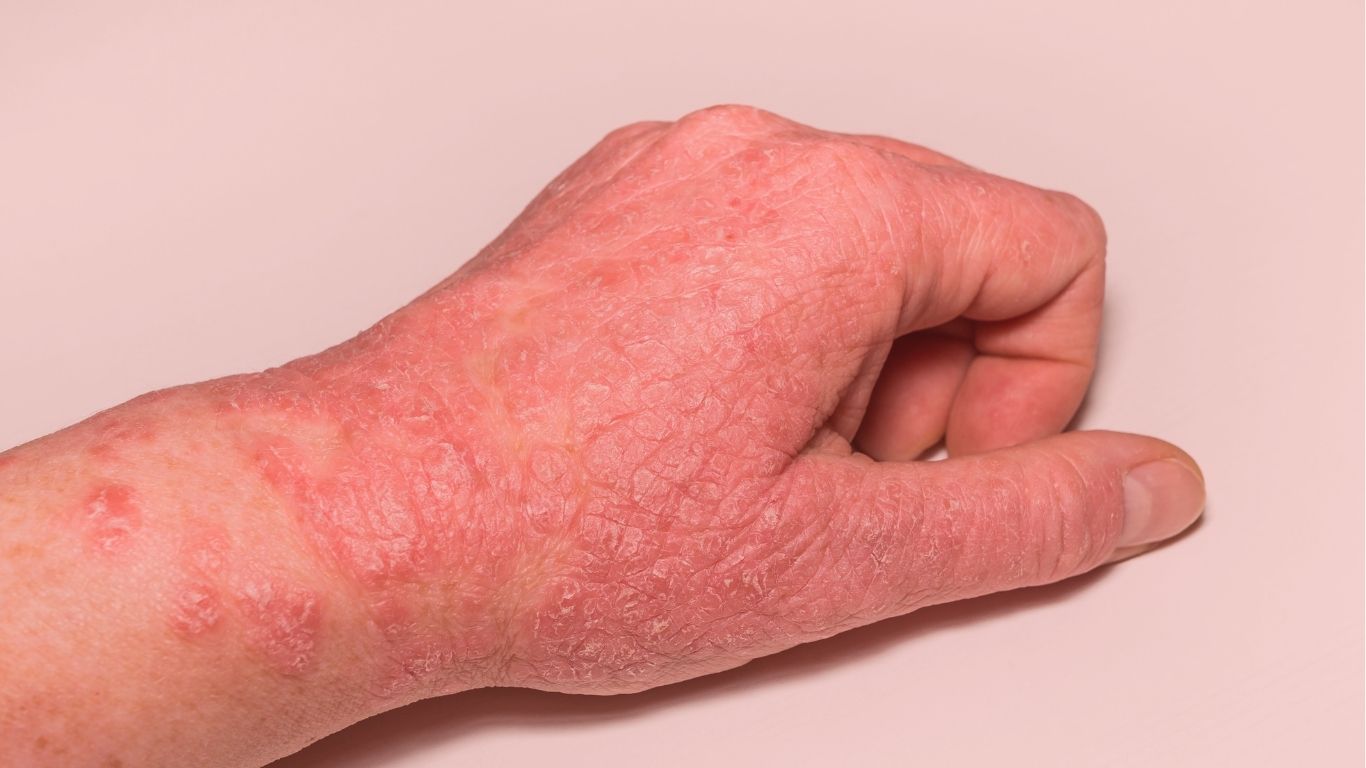
Eczema, or atopic dermatitis, is a chronic condition that makes the skin red, inflamed, and intensely itchy. It often begins in childhood and can persist into adulthood. The symptoms are not just physical; the relentless urge to scratch can disrupt sleep and concentration. The skin may become dry, thickened, cracked, or even scaly over time.
Psoriasis is an autoimmune condition that accelerates the life cycle of skin cells. Instead of shedding normally, cells build up rapidly on the surface, forming thick, silvery scales and red patches that are often itchy and sometimes painful. It most frequently affects the scalp, elbows, knees, and lower back. Unlike a simple rash, psoriasis tends to go through cycles, flaring for a few weeks or months before subsiding.
Rosacea is another chronic condition, primarily affecting the face. It causes redness, visible blood vessels, and sometimes small, red, pus filled bumps. These symptoms often come and go in waves. For many, rosacea also causes the eyes to feel irritated or swollen. Because the facial redness can be mistaken for blushing or sunburn, it is often under diagnosed.
Fungal infections like ringworm, athlete’s foot, and yeast infections are caused by fungi that thrive in warm, moist environments. Symptoms include a red, ring shaped rash, itching, scaling, and cracking of the skin. These infections are contagious and can spread through direct contact or shared surfaces like gym floors and towels.
Contact dermatitis is a condition that results from touching an irritating substance or an allergen. Common triggers include poison ivy, nickel, latex, and harsh soaps. The symptoms appear as a red, itchy rash that may blister or ooze. The key here is timing; the rash usually appears within hours to days after exposure.
What Causes Skin Problems? A Closer Look at Triggers
Understanding the root causes of skin issues is rarely straightforward. Often, it is a combination of internal and external factors working together. One of the most significant underlying causes is genetics. If your parents had eczema or psoriasis, you are more likely to develop them. These conditions are linked to specific genes that affect how the immune system and skin barrier function.
The immune system itself plays a starring role in many skin disorders. In autoimmune related conditions like psoriasis, the immune system mistakenly attacks healthy skin cells, triggering inflammation and rapid cell turnover. In allergic reactions, the immune system overreacts to harmless substances like pollen or pet dander, resulting in hives or eczema flares.
Environmental factors are powerful instigators. Extreme weather—both cold and heat—can strip the skin of natural oils, leading to dryness and cracking. Sun exposure is a double edged sword: while a small amount is necessary for vitamin D, overexposure causes premature aging, sunburn, and increases the risk of skin cancer. Pollution, smoke, and chemicals in household products can also disrupt the delicate acid mantle of the skin.
Hormones are another key piece of the puzzle. Fluctuations during puberty, menstruation, pregnancy, or menopause can trigger acne and other skin changes. For instance, increased androgen levels stimulate the sebaceous glands to produce more oil, clogging pores. Stress hormones like cortisol can worsen almost any skin condition, from acne to psoriasis, by promoting inflammation.
Lifestyle habits such as diet, sleep, and hygiene play a surprisingly large role. A diet high in refined sugars and dairy may aggravate acne in some individuals. Lack of sleep impairs the skin’s ability to repair itself overnight. On the other hand, overwashing or using harsh exfoliants can strip the skin barrier, leading to irritation and increased sensitivity.
The Deeper Effects: How Skin Problems Impact Daily Life
The effects of skin problems go far beyond the physical. For those living with a visible or chronic skin condition, the psychological and social toll can be profound. It is one thing to feel an itch; it is another to feel constantly self conscious about a patch of red, scaling skin on your face or hands.
Anxiety and depression are common companions to chronic skin disease. Research has shown that people with severe acne or psoriasis often experience similar levels of psychological distress as those with other chronic illnesses like diabetes or heart disease. The unpredictability of flare ups can make social situations daunting. A person might avoid swimming, gym classes, or even simple handshakes due to fear of judgment or questions about their skin.
Sleep disruption is another major effect. Nocturnal itching, particularly in eczema, can wake a person multiple times a night, leading to a cycle of fatigue, irritability, and difficulty concentrating during the day. Over time, this sleep deprivation can affect work performance, school grades, and personal relationships.
There is also a financial effect. Managing a chronic skin condition often requires prescription creams, frequent doctor visits, special detergents, and dietary adjustments. For those without adequate insurance, the costs can be a burden. In severe cases, treatment may involve phototherapy or biologic medications, which are very expensive.
The social stigma attached to certain skin diseases remains real. Despite growing awareness, misconceptions persist that skin problems are contagious or due to poor hygiene. This leads to social isolation, discrimination in workplace settings, and even bullying among children and teenagers. Therefore, treating skin problems effectively is not just about clearing a rash; it is about restoring a person’s dignity and peace of mind.
Prevention Strategies That Make a Real Difference
While not all skin problems can be prevented—especially those with a strong genetic component—many can be managed or avoided entirely with consistent, sensible habits. Prevention is about building a lifestyle that supports the skin’s natural resilience.
The most fundamental preventive step is a gentle, consistent skincare routine. This does not mean using a dozen products. It means cleansing with a mild, fragrance free cleanser, moisturizing daily to support the skin barrier, and using sunscreen every single day, rain or shine. Sunscreen with at least SPF 30 protects against both skin cancer and premature aging. Interestingly, many people skip sunscreen on cloudy days, but UV rays penetrate clouds and cause cumulative damage.
Identifying and avoiding personal triggers is crucial. If you have eczema or contact dermatitis, learning what causes your flares is empowering. This might mean switching to hypoallergenic laundry detergents, wearing gloves when using cleaning products, or avoiding wool clothing. For rosacea patients, common triggers include spicy foods, hot drinks, alcohol, and extreme temperatures. Keeping a symptom diary for a few weeks can reveal surprising patterns.
Hydration and nutrition are often overlooked pillars of skin health. Drinking adequate water helps maintain skin elasticity, while a balanced diet rich in antioxidants (found in colorful fruits and vegetables), healthy fats (like omega 3s from fish or flaxseed), and lean protein supports repair processes. Some studies suggest that probiotics and a low glycemic diet may reduce acne and inflammation.
Stress management is a preventive tool that works from the inside out. Since stress hormones worsen inflammation, practices like meditation, regular physical activity, deep breathing, or even a daily walk in nature can help stabilize chronic skin conditions. It is not a cure, but it can significantly reduce the frequency and severity of flares.
Finally, simple hygiene habits prevent contagious skin problems. Showering after exercise, not sharing towels or razors, wearing flip flops in public showers, and keeping nails short to prevent skin damage from scratching are small actions that yield big results.
The Homeopathic Approach to Skin Treatment
Homeopathy offers a distinct, holistic perspective on skin problems. Instead of focusing solely on the rash or pimple, homeopathy treats the individual as a whole, considering their physical symptoms, emotional state, genetic makeup, and unique triggers. The guiding principle of homeopathy is “like cures like”—a substance that causes symptoms in a healthy person can, in highly diluted form, stimulate the body’s own healing response to resolve similar symptoms in a sick person.
Homeopathic remedies are prepared through a process of serial dilution and succussion (vigorous shaking). While conventional dermatology aims to suppress symptoms with creams or antibiotics, homeopathy aims to stimulate the body’s vital force to restore balance from within. This makes it particularly appealing for those with chronic, recurring conditions who have not found lasting relief elsewhere.
For acne, homeopathic remedies are chosen based on the appearance of the lesions and the person’s constitution. For instance, Sulphur is often indicated for rough, itchy skin with acne that worsens with washing and heat. Hepar sulphuris may be used for deeply painful, pus filled pimples that are sensitive to touch. Calcarea phosphorica is sometimes given to teenagers during growth spurts when acne develops alongside fatigue.
In eczema cases, the homeopath looks at the location, sensation, and modals (what makes it better or worse). Graphites is a common remedy for thick, oozing, sticky eczema behind the ears or on the scalp. Mezereum is considered for eczema with thick, white crusts and intense itching that worsens in bed. Rhus toxicodendron may be prescribed when the itching improves with warm applications and movement.
For psoriasis, remedies like Arsenicum album can be useful when the scales are dry, rough, and associated with burning and restlessness, particularly if symptoms worsen at night. Sepia might be chosen for psoriasis that appears around menopause or in conjunction with hormonal disturbances, often on the genitals or elbows. Petroleum is another remedy for deep, bleeding cracks in the skin, especially on the hands and fingertips.
It is vital to understand that homeopathic treatment is highly individualized. Two people with the same named condition—say, rosacea—may receive completely different remedies based on their unique symptom picture. For example, one person’s rosacea might flare with sun exposure, feel hot, and make them irritable, while another’s flares with emotional stress, feels dry, and makes them weepy. A professional homeopath takes all of this into account.
Moreover, homeopathy works gently and safely alongside conventional treatment. It has no side effects or drug interactions, making it suitable for infants, pregnant women, and the elderly. However—and this is crucial—homeopathy is not a replacement for emergency care. Serious skin infections, rapidly spreading rashes, or suspected skin cancer require immediate medical attention from a dermatologist. For chronic, non life threatening conditions, homeopathy offers a thoughtful, long term path toward healing.
Frequently Asked Questions About Homeopathic Remedies for Skin Problems
1. Are homeopathic remedies safe for all skin types, including sensitive skin?
Yes, one of the great strengths of homeopathy is its safety profile. Homeopathic remedies are highly diluted, which means they do not contain measurable amounts of the original substance. They are non toxic, non habit forming, and free from the harsh chemicals or steroids often found in conventional topical treatments. This makes them suitable for even the most sensitive skin, including that of infants, the elderly, and pregnant or nursing women. Unlike some prescription creams that can thin the skin or cause withdrawal flares, homeopathic remedies work internally to restore balance without local irritation. That said, the sugar pellets or liquid drops are generally very well tolerated, though individuals with rare sugar sensitivities should consult their homeopath for alternative forms.
2. Can I use homeopathic remedies alongside my conventional dermatologist’s prescriptions?
In most cases, yes. Homeopathic remedies work on a different principle than conventional drugs, and they do not chemically interact with medications in a harmful way. Many people successfully use homeopathy alongside topical steroids, antibiotics, or antihistamines. However, it is very important to keep both your dermatologist and your homeopath informed about everything you are taking. Over time, as your skin improves under homeopathic care, your need for stronger conventional medications may decrease. Any reduction or discontinuation of prescription drugs, especially oral steroids or immunosuppressants, should only be done under the supervision of your prescribing doctor. Homeopathy is best viewed as a complementary partner, not a secret rival to conventional medicine.
3. Why do my skin symptoms seem worse briefly after starting a homeopathic remedy?
This is a known phenomenon in homeopathy called a “healing aggravation” or “initial worsening.” It is a temporary, mild flare of existing symptoms that occurs before improvement sets in. The idea is that the remedy stimulates the body’s vital force so strongly that it pushes the disease outward and upward for a short time. For example, a person with suppressed eczema might see a few more spots appear before the skin begins to clear. A true healing aggravation is short lived, typically lasting a few hours to a few days, and is followed by noticeable improvement. However, not everyone experiences this, and when it does happen, it is generally mild. If the worsening is severe or prolonged, it is more likely that the remedy is incorrect for your case, and you should consult your homeopath.
4. How long does it take to see results with homeopathy for chronic skin problems?
Patience is essential. Homeopathy treats the root cause, not just the surface symptom, so it is not a quick fix. For acute issues like a sudden outbreak of hives or contact dermatitis, improvement can sometimes be seen within hours or a day or two. However, for chronic conditions like lifelong eczema, psoriasis, or cystic acne, the timeline is much longer. You might notice subtle changes in the first four to six weeks, such as reduced itching, better sleep, or less anxiety about your skin. Significant clearing of chronic skin problems often takes three to six months of consistent treatment, and sometimes longer if the condition has been present for many years or was previously suppressed by strong steroids. The good news is that when improvement comes with homeopathy, it tends to be deep and lasting.
5. Can children safely use homeopathic remedies for skin problems like eczema?
Absolutely. Children respond very well to homeopathy because their vital force is generally strong and reactive. Many parents turn to homeopathy for childhood eczema, diaper rash, and allergic rashes precisely because it avoids the side effects of steroid creams, which can be absorbed through a child’s thinner skin. Homeopathic pellets are easy to administer, often sweet tasting, and can be dissolved in a little water for infants or toddlers. Common remedies for children with skin issues include Sulphur for itchy, burning skin that worsens with bathing, and Graphites for oozing eczema behind the ears. Of course, you should always consult a qualified homeopath for a proper prescribing for your child, rather than self treating based on a label.
6. Do I need a prescription for homeopathic remedies, or can I buy them over the counter?
In most countries, including the United States and India, homeopathic remedies are classified as over the counter medicines and are widely available in health food stores, pharmacies, and online. You can buy common potencies like 6C, 30C, and 200C without a prescription. However, there is a big difference between self care for a minor, acute problem and treating a chronic, complex skin condition. For a simple mosquito bite reaction or a small patch of dry skin, an over the counter remedy like Apis mellifica or Calendula cream can be fine. But for long standing psoriasis, severe acne, or widespread eczema, self prescribing rarely works and can even confuse the clinical picture. A professional homeopath takes a detailed case history, considers your emotional state, sleep patterns, food cravings, and many other factors to find your individual remedy. That level of precision is very difficult to achieve on your own.
7. Can homeopathy cure skin problems permanently, or will I need to take remedies forever?
Homeopathy aims for a cure in the true sense of the word, meaning the removal of the underlying susceptibility to that particular disease. Unlike conventional treatments that often require daily application to suppress symptoms, a well chosen homeopathic remedy works to restore your internal balance so that your skin heals itself and stays healthy. Many people with chronic skin conditions have experienced long term remission or complete resolution after a course of homeopathic treatment. However, the word “permanent” can be tricky. If you later encounter a major stressor, a hormonal shift, or a completely new environmental trigger, your skin might flare again. That does not mean the original treatment failed; it means your body needs a new remedy for a new situation. Some people need occasional follow up doses, while others are free of their old problem for years or decades. The goal is not a lifetime of daily pills but a return to genuine health resilience.
8. Are there any skin conditions that homeopathy should not treat?
Yes, and this is very important. Homeopathy is not appropriate for acute medical emergencies or for conditions that require immediate surgical or antibiotic intervention. If you have a rapidly spreading red streak on your arm (possible blood infection), a dark, changing mole (possible melanoma), a deep abscess with fever, or a blistering rash covering much of your body (possible Stevens Johnson syndrome), you need to go to a hospital or a dermatologist immediately. Do not wait for a homeopathic consultation. Likewise, serious autoimmune skin diseases like pemphigus vulgaris or cutaneous lupus require careful conventional monitoring, though homeopathy can sometimes serve as a supportive therapy. A responsible homeopath will always know when to refer you to a medical doctor and will never ask you to abandon essential conventional care.
9. How do I choose the right homeopathic remedy for my specific skin problem?
This is the most common question and the most misunderstood part of homeopathy. You cannot choose a remedy based on the disease name alone, such as “eczema” or “psoriasis.” The same disease name can require different remedies for different people. For example, one person with psoriasis might need Arsenicum album because their skin burns, they feel anxious, and they are worse after midnight. Another person with psoriasis might need Sepia because they feel indifferent to loved ones, their skin cracks on the hands and feet, and they feel better with vigorous exercise. The correct way to choose a remedy is to work with a trained classical homeopath who will spend an hour or more understanding your unique physical, emotional, and mental symptom picture. If you are determined to try self prescribing for a mild, recent issue, look for a homeopathic repertory guide or an online remedy finder that asks detailed questions about modalities (what makes it better or worse), sensations, and associated emotional states. Even then, know that professional guidance is far more reliable.
10. Can diet and lifestyle affect how well homeopathic remedies work for my skin?
Without a doubt. Homeopathy is not magic; it works best when it supports a body that is already trying to heal. If you eat a diet of highly processed foods, drink excessive alcohol, sleep poorly, and never manage stress, even the most perfectly chosen homeopathic remedy will struggle to produce lasting results. This is not a flaw of homeopathy, but a reflection of biology. Your skin is a mirror of your internal health. Homeopathy gently nudges your system toward balance, but it cannot override constant exposure to triggers like food allergens, chronic dehydration, or environmental toxins. The most successful homeopathic treatment for skin problems happens when you also adopt a skin friendly diet rich in whole foods, practice good sleep hygiene, stay hydrated, and avoid known personal triggers. Think of homeopathy and healthy living as partners, not substitutes for each other.
Final Thoughts
Living with a skin problem can feel like a battle, but it does not have to define you. Whether you choose conventional medicine, homeopathy, or a combination of both, the most important step is to become an active participant in your own care. Learn your triggers, build a simple prevention routine, and do not underestimate the connection between your emotional health and your skin.
Patience is key. Skin, by its nature, regenerates slowly. A treatment that works internally may take weeks or months to show visible results on the surface. Be kind to yourself during this process. And remember, no skin is perfect. Minor blemishes, texture, and discoloration are part of being human. The goal is not flawless perfection but healthy, resilient skin that allows you to live your life without constant discomfort or shame. If your skin problem persists, seek professional advice—whether from a dermatologist or a qualified homeopath—and take the first step toward healing.
1 thought on “Homeopathic Remedies for Skin Problems”