Homeopathic Remedies for Gout: The Ancient Disease of Kings in the Modern World
Gout has long been known as the “disease of kings” because of its historical association with rich foods and excessive alcohol consumption. While we no longer think of it as a regal affliction, gout remains one of the most painful and debilitating forms of arthritis affecting millions of people worldwide. Unlike the slow, steady ache of osteoarthritis, gout announces itself with a sudden, explosive fury, often in the middle of the night. This article explores everything you need to know about gout, from its underlying causes to its management, including a look at homeopathic approaches.
Understanding Gout: More Than Just Joint Pain
At its core, gout is a form of inflammatory arthritis caused by an excess of uric acid in the bloodstream, a condition known as hyperuricemia. Uric acid is a normal waste product formed when the body breaks down purines, which are substances found naturally in the body and in many foods. In a healthy individual, uric acid dissolves in the blood, passes through the kidneys, and is excreted in urine. When the body produces too much uric acid or the kidneys excrete too little, uric acid accumulates. Over time, this excess can form sharp, needle-like crystals of monosodium urate that deposit in joints, soft tissues, and even the kidneys. These crystals are the culprits behind the intense inflammation and pain characteristic of a gout attack.
The Different Types of Gout
Gout is not a one-size-fits-all condition. Medical professionals typically classify it into several types based on its cause and progression.
Primary Gout is the most common form. It occurs due to inborn errors of metabolism or genetic factors that lead to overproduction or underexcretion of uric acid. In many cases, the exact genetic mechanism is not fully understood, but a family history of gout is a strong risk factor. Primary gout is not caused by another underlying disease.
Secondary Gout arises as a complication of another medical condition or as a side effect of certain medications. For example, chronic kidney disease reduces uric acid excretion. Conditions like psoriasis, certain cancers, and hemolytic anemias lead to rapid cell turnover, releasing large amounts of purines into the body. Medications such as thiazide diuretics (water pills), low-dose aspirin, and cyclosporine (an immunosuppressant) can also raise uric acid levels.
Beyond these two broad categories, gout is often described by its clinical stage. Asymptomatic hyperuricemia is when blood uric acid levels are high, but no symptoms have appeared. Acute intermittent gout refers to sudden, painful attacks that resolve completely between episodes. Chronic tophaceous gout is the advanced stage where urate crystals form large, chalky deposits called tophi under the skin and within joints, leading to permanent joint damage and deformity.
Recognizing the Symptoms of Gout
The symptoms of gout are dramatic and unmistakable to those who have experienced them.
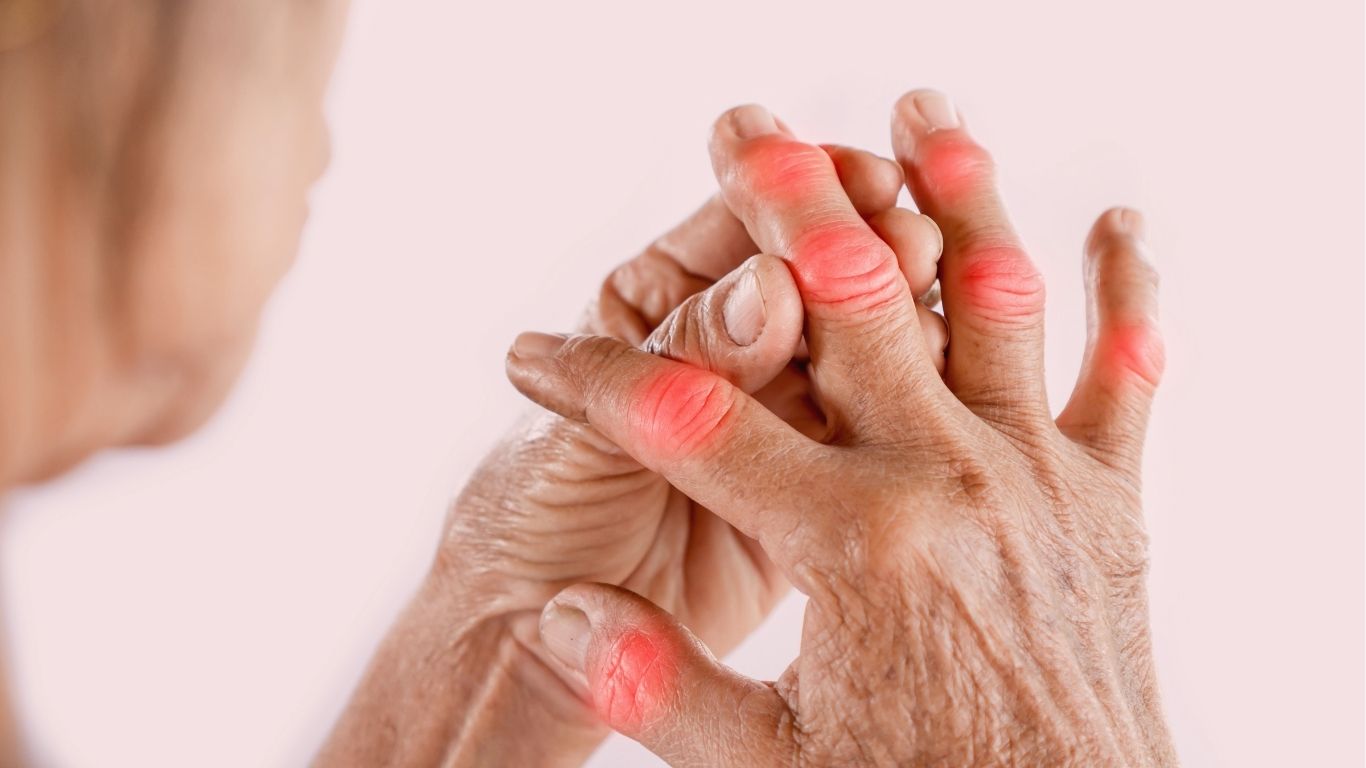
An acute gout attack usually strikes without warning. It most commonly affects the big toe, a condition known as podagra, but other joints such as the ankles, knees, wrists, elbows, and fingers can also be involved. The attack typically begins at night. The affected joint becomes:
-
Intensely painful: Even the light pressure of a bedsheet can feel unbearable.
-
Red and swollen: The joint visibly enlarges, and the overlying skin becomes shiny and purplish-red.
-
Hot and tender to the touch: The joint feels as if it is on fire.
The pain is at its peak within the first 12 to 24 hours. Without treatment, an acute attack may last anywhere from a few days to two weeks. Gradually, the pain subsides, and the joint returns to normal, leading many to mistakenly believe the problem is gone.
Between attacks, patients experience intercritical gout, a symptom-free period. However, over time, these silent intervals become shorter. If hyperuricemia remains untreated, attacks become more frequent, more severe, and involve more joints.
In chronic tophaceous gout, the most debilitating stage, hard, painless lumps called tophi form under the skin around joints, the ears, the elbows, or the fingertips. These tophi are collections of urate crystals. They can erode bone and cartilage, causing permanent joint deformity, chronic pain, and limited mobility. Tophi can also break through the skin, discharging a chalky white paste.
What Causes Gout? A Deep Dive into the Root Factors
Gout does not appear out of nowhere. A combination of modifiable lifestyle factors and non-modifiable biological factors contributes to the dangerous buildup of uric acid.
Dietary choices are a major driver. A diet rich in purines floods the body with uric acid precursors. High-purine foods include red meat (beef, lamb, pork), organ meats (liver, kidney, sweetbreads), and certain seafoods such as anchovies, sardines, mussels, scallops, and tuna. Sugary drinks and foods high in fructose (high-fructose corn syrup) also increase uric acid production.
Alcohol consumption, particularly beer and hard liquor, is a well-known trigger. Beer is doubly problematic because it contains purines from the brewing process and also increases uric acid production while impairing kidney excretion. Wine has a lesser effect but can still trigger attacks in susceptible individuals.
Medical conditions play a significant role. Obesity is linked to higher uric acid production and reduced kidney excretion. High blood pressure (hypertension), diabetes, metabolic syndrome, and chronic kidney disease all disrupt the normal handling of uric acid.
Genetics cannot be ignored. Up to 20 percent of people with gout have a family history of the condition. Certain genetic variants impair the kidneys’ ability to excrete uric acid efficiently.
Medications such as diuretics (used for hypertension and heart failure), low-dose aspirin, and drugs used after organ transplants can elevate uric acid levels.
Finally, other triggers include sudden injury to a joint, surgery, rapid weight loss (which releases purines from broken-down cells), chemotherapy, and severe dehydration.
The Ripple Effects: How Gout Impacts the Body and Life
The effects of gout extend far beyond the immediate pain of an acute attack.
Joint destruction is the most visible effect. Recurrent crystal deposition erodes cartilage and bone, leading to osteoarthritis-like changes, chronic pain, and reduced range of motion. In advanced cases, tophi cause irreversible joint deformities.
Kidney damage is a silent but serious consequence. Uric acid crystals can form kidney stones, which cause excruciating pain and can obstruct urine flow. Long-standing hyperuricemia can also lead to chronic urate nephropathy, a gradual loss of kidney function that may progress to kidney failure.
Cardiovascular disease shares a strong link with gout. People with gout have a higher risk of heart attack, stroke, and high blood pressure. This is partly because the inflammation that drives gout also promotes atherosclerosis, or hardening of the arteries.
Mental health and quality of life suffer greatly. The unpredictable nature of gout attacks causes anxiety about when the next one will strike. Chronic pain interferes with sleep, work, and social activities. Studies show that people with gout have higher rates of depression and disability compared to the general population.
Prevention: Taking Control of Gout
Preventing gout revolves around lowering uric acid levels and avoiding triggers. The good news is that lifestyle changes are highly effective.
Dietary modifications are the cornerstone of prevention. Reduce or eliminate high-purine foods. Replace red meat with poultry, eggs, or plant proteins like beans and lentils. Avoid organ meats and limit shellfish. Eat plenty of vegetables, whole grains, and low-fat dairy products. Surprisingly, low-fat dairy actually helps lower uric acid levels. Cherries and foods rich in vitamin C have also been shown to reduce the frequency of attacks.
Hydration is critical. Drinking at least two to three liters of water per day helps the kidneys flush out uric acid. Dehydration concentrates uric acid in the blood and crystals in the joints.
Alcohol and sugary drinks should be limited. Beer and spirits are the worst offenders. If you drink wine, do so in strict moderation. Eliminate all soda and fruit juices sweetened with high-fructose corn syrup.
Weight management reduces the metabolic burden on the body. Losing excess weight lowers uric acid levels and decreases inflammation. However, avoid crash diets, as rapid fat loss can temporarily spike uric acid. Aim for slow, steady weight loss of one to two pounds per week.
Medications for prevention are necessary for people with frequent attacks, tophi, or kidney stones. The two main types are urate-lowering therapies. Xanthine oxidase inhibitors, such as allopurinol and febuxostat, reduce uric acid production. Uricosuric agents, such as probenecid, help the kidneys excrete more uric acid. These medications are taken daily, not just during attacks, and they require monitoring by a physician.
Managing triggers means knowing what personally sets off an attack. For some, it is a single beer or a serving of shrimp. For others, it is trauma or surgery. Keeping a diary of attacks can reveal individual patterns.
Homeopathic Treatment for Gout: A Complementary View
Homeopathy is a system of alternative medicine based on the principle of “like cures like,” using highly diluted substances to trigger the body’s self-healing response. It is important to state clearly that homeopathy should not replace conventional medical treatment for acute gout or chronic hyperuricemia, as untreated gout can lead to irreversible joint and kidney damage. However, some patients find homeopathic remedies helpful as a complementary approach for symptom relief or as part of a long-term constitutional treatment under the guidance of a qualified homeopath. The following remedies are traditionally associated with gout-like symptoms, but scientific evidence for their efficacy is limited.
Colchicum autumnale is one of the most well-known homeopathic remedies for gout. Interestingly, the conventional drug colchicine is derived from the same plant. In homeopathic potency, Colchicum is indicated when there is extreme sensitivity to touch. The patient cannot bear even the weight of a bed sheet. The joints are red, swollen, and tearing pain is worse at night and in cool, damp weather. There is often an accompanying feeling of weakness and nausea.
Ledum palustre suits gout that starts in the lower joints and moves upward, typically affecting the big toe and then the ankle or knee. The joints are swollen, puffy, and cold to the touch, contrary to the heat seen in many gout cases. Pain is relieved by cold applications, which is almost unique, as most gout pain worsens with cold. Ledum is especially useful when the patient has a history of suppressed foot injuries.
Bryonia alba is indicated when any movement, no matter how slight, makes the joint pain worse. The patient wants to lie completely still. The joints are hot, red, and swollen, and the pain is stitching or tearing in nature. The patient is irritable and thirsty for large amounts of cold water.
Berberis vulgaris is a remedy often used when gout involves the kidneys or produces shooting, radiating pains. The joint pain may extend down the limbs, and there may be a sensation as if something is stuck in the joint. It is also considered for gout that alternates with symptoms of kidney stones or lower back pain.
Urtica urens (stinging nettle) is used by homeopaths for acute gouty pain, especially when there is an accumulation of uric acid. It is associated with burning pain and is sometimes used as a preventive during dietary indiscretions. In low potencies, it is also used in herbal medicine for its anti-inflammatory properties.
Lithium carbonicum is indicated for chronic gout with nodules (tophi) especially around the finger joints and ears. The patient may have a history of mental depression or uric acid stones. The pain is worse at night and on motion.
How to Use Homeopathy Safely
Homeopathic remedies come in various potencies (e.g., 6C, 30C, 200C). For acute gout attacks, a 30C potency taken every two to four hours for a day or two may be used by experienced home users, but it is always wise to consult a trained homeopath. For chronic gout and prevention, a constitutional prescription based on the patient’s entire physical, emotional, and mental state is required. Remedies are available as small sugar pellets or liquid drops.
A Critical Word of Caution
Do not attempt to treat a severe acute gout attack with homeopathy alone. The pain of gout is excruciating, and conventional anti-inflammatory medications such as nonsteroidal anti-inflammatory drugs (NSAIDs), colchicine, or corticosteroids are often necessary to halt the inflammatory cascade quickly. Likewise, if you have tophi, high uric acid levels, or frequent attacks, you need conventional urate-lowering medications to prevent permanent joint and kidney damage. Homeopathy can be explored as a complementary or adjunctive therapy, but it should never delay or replace evidence-based medical treatment.
Frequently Asked Questions About Homeopathic Remedies for Gout
1. Can homeopathy cure gout permanently?
This is the most common question, and the answer requires some nuance. Homeopathy does not claim to “cure” gout in the sense of eradicating the genetic or metabolic tendency toward hyperuricemia. However, many homeopaths believe that long-term constitutional treatment can reduce the frequency and severity of attacks by improving the body’s overall regulation of uric acid and inflammation. In acute stages, homeopathic remedies aim to relieve pain and swelling rapidly. For a permanent resolution, conventional urate-lowering therapy (such as allopurinol) is scientifically proven to keep uric acid below target levels, dissolve crystals, and prevent new attacks. Homeopathy is best viewed as a complementary tool, not a standalone cure.
2. How quickly do homeopathic remedies work for an acute gout attack?
The speed of relief varies greatly from person to person. In some cases, a well-chosen remedy like Colchicum or Ledum palustre in a 30C potency may begin reducing pain and heat within 30 to 60 minutes. In other cases, it may take several doses over 24 to 48 hours to notice a significant difference. Because gout pain is extremely intense, many patients choose to use conventional anti-inflammatories (NSAIDs or colchicine) immediately while also taking a homeopathic remedy. If there is no improvement after three or four doses, the remedy is likely not the correct match, and you should seek medical care.
3. Are homeopathic gout remedies safe to take alongside prescription medications like allopurinol or colchicine?
Yes, generally speaking, homeopathic remedies are highly diluted and contain no detectable chemical molecules that would interact with prescription drugs. They are considered safe to use alongside allopurinol, colchicine, NSAIDs, and corticosteroids. However, you must tell your doctor and your homeopath about all medications and supplements you are taking. Never stop or reduce your prescribed urate-lowering medication without medical supervision, as doing so can trigger a severe rebound attack or cause long-term joint damage.
4. How do I choose the right homeopathic remedy for my gout?
Choosing the correct remedy is not as simple as matching a symptom to a remedy name. Homeopathy is highly individualized. A professional homeopath will ask detailed questions about your specific symptoms: which joint is affected, the nature of the pain (burning, tearing, stitching), what makes it better or worse (cold applications, movement, rest), the time of day it worsens, your thirst level, your mood during the attack, and even your sleep patterns. For self-care in an acute attack, you can try a remedy based on your most prominent symptom, but if it does not help within two or three doses, you likely need a different remedy or professional guidance.
5. Can I use homeopathy to prevent gout attacks if I have high uric acid but no symptoms?
This is a gray area. Some homeopaths prescribe a constitutional remedy based on your overall health picture to lower the risk of future attacks. Remedies such as Lithium carbonicum or Berberis vulgaris are sometimes used for people with a strong family history of gout or elevated uric acid without symptoms. However, there is no robust scientific evidence that homeopathy can lower blood uric acid levels reliably. Conventional medicine generally does not treat asymptomatic hyperuricemia unless the levels are extremely high or there are other risk factors like kidney stones. If you choose to try homeopathy for prevention, you should still monitor your uric acid through regular blood tests.
6. Are there any side effects from homeopathic remedies for gout?
Homeopathic remedies prepared according to official pharmacopoeias are extremely safe. The most common “side effect” is a temporary worsening of symptoms, which homeopaths call an “initial aggravation” – a brief flare before improvement begins. This is not dangerous but can be unsettling. True allergic reactions are exceptionally rare because the original substance is diluted beyond molecular levels. However, the sugar pellets may contain lactose or sucrose, so people with severe lactose intolerance or diabetes should use caution or request liquid dilutions. If you experience any new or worsening symptoms, stop the remedy and consult a healthcare provider.
7. Can I treat chronic tophaceous gout with homeopathy alone?
Absolutely not. Chronic tophaceous gout is an advanced stage where urate crystals have formed visible lumps (tophi) that erode bone and cartilage. Homeopathy cannot dissolve large tophi or reverse existing joint deformity. This stage requires aggressive conventional treatment with urate-lowering medications such as allopurinol or febuxostat to bring uric acid below 6 mg/dL (360 μmol/L), which slowly dissolves tophi over many months. Surgery may be needed for tophi that cause nerve compression or skin breakdown. Homeopathy can be used alongside these treatments to address pain and support general well-being, but never as a replacement.
8. How long should I continue homeopathic treatment for recurrent gout?
If you are seeing a professional homeopath for recurrent gout, the treatment duration is highly individual. Acute attacks are treated with short-term remedies taken for a few days. Constitutional treatment for preventing future attacks may last several months to a year or more. Your homeopath will periodically reassess your symptoms, attack frequency, and overall health. Many people find that after a period of constitutional treatment, they need only occasional acute doses. It is wise to continue regular follow-ups with your rheumatologist to monitor uric acid levels and joint health regardless of homeopathic treatment.
9. What should I do if a homeopathic remedy does not work for my gout?
Do not keep taking the same remedy repeatedly hoping for a different result. If you have taken three or four doses of a properly chosen remedy (e.g., 30C every two hours for six hours) with no improvement or worsening pain, stop the remedy. The possibilities are: you chose the wrong remedy, the potency is too low or too high, or the gout attack is severe enough to require conventional medical intervention. Severe gout attacks with fever, chills, or involvement of multiple joints warrant immediate medical attention. Remember, untreated gout attacks can last weeks and cause permanent damage, so do not let loyalty to homeopathy delay effective treatment.
10. Where can I buy authentic homeopathic remedies for gout, and how should I store them?
High-quality homeopathic remedies are available at health food stores, online homeopathic pharmacies, and some compounding pharmacies. Look for reputable brands that follow Good Manufacturing Practices. Avoid products that claim to be a “cure-all” for gout or that list multiple remedies in a single tablet without clear potency labeling. Store remedies away from strong smells (camphor, mint, essential oils), direct sunlight, and electromagnetic fields like microwaves or computers. Keep them at room temperature in a dry place. Do not touch the pellets with your hands, as oils from the skin can degrade them; instead, tip the pellets into the cap and then into your mouth, preferably away from food or drink for fifteen minutes.
11. Is there any scientific evidence supporting homeopathy for gout?
The scientific evidence for homeopathy in gout is scant and of low quality. Most studies have been small, poorly designed, or not replicated. Major medical organizations including the National Health and Medical Research Council of Australia and the UK Parliament’s Science and Technology Committee have concluded that there is no reliable evidence that homeopathy works beyond placebo for any condition, including gout. However, many patients report genuine relief, and the placebo effect itself can be powerful for pain. If you choose to use homeopathy, do so as a complementary approach while maintaining a relationship with a conventional doctor who can monitor your uric acid levels and joint health objectively.
12. Can children or pregnant women use homeopathic remedies for gout?
Gout is extremely rare in children and should always be investigated by a pediatrician to rule out serious genetic disorders of uric acid metabolism. For pregnant or breastfeeding women with gout, homeopathic remedies are generally considered low-risk due to their high dilution, but no formal safety studies exist. Because pregnancy and breastfeeding alter kidney function and medication safety profiles, any woman in these categories should absolutely consult both her obstetrician and a trained homeopath before taking any remedy, homeopathic or otherwise. Do not self-treat.
Conclusion
Gout is a chronic condition, but it does not have to dominate your life. With modern medicine, you can lower uric acid to safe levels, dissolve existing crystals, and prevent future attacks. With lifestyle changes, you can reduce your reliance on medication and improve your overall health. And if you resonate with a holistic approach, homeopathy may offer gentle support alongside your primary care. The key is to be proactive: understand your numbers, know your triggers, take prescribed medications faithfully, and communicate openly with your healthcare providers. Gout may be an ancient disease, but in the modern world, it is one we can control.
2 thoughts on “Homeopathic Remedies for Gout”