Homeopathic Remedies for Stress: A Comprehensive Guide
Introduction
Stress has become such a familiar part of daily conversation that we often use the word without truly understanding its depth. It is not merely a bad day at work or an argument with a loved one. At its core, stress is the body’s natural, primal response to any demand or threat. When you sense danger—whether real or imagined—your body’s defenses kick into high gear in a rapid, automatic process known as the fight-or-flight response. This ancient survival mechanism helped our ancestors flee from predators. Today, it helps you slam the brakes to avoid a car accident. The problem arises when this system is activated too often, for too long, over situations that are not life-threatening, such as traffic jams, looming deadlines, or financial worries. In this chronic form, stress transforms from a useful instinct into a silent burden that affects nearly every system in the human body.
Recognising the Symptoms: How Stress Whispers and Then Shouts
Stress is remarkably sneaky. It rarely announces itself with a single, clear sign. Instead, it manifests through a constellation of symptoms that can easily be mistaken for other illnesses or simply dismissed as a bad mood. These symptoms fall into four main categories: physical, cognitive, emotional, and behavioural.
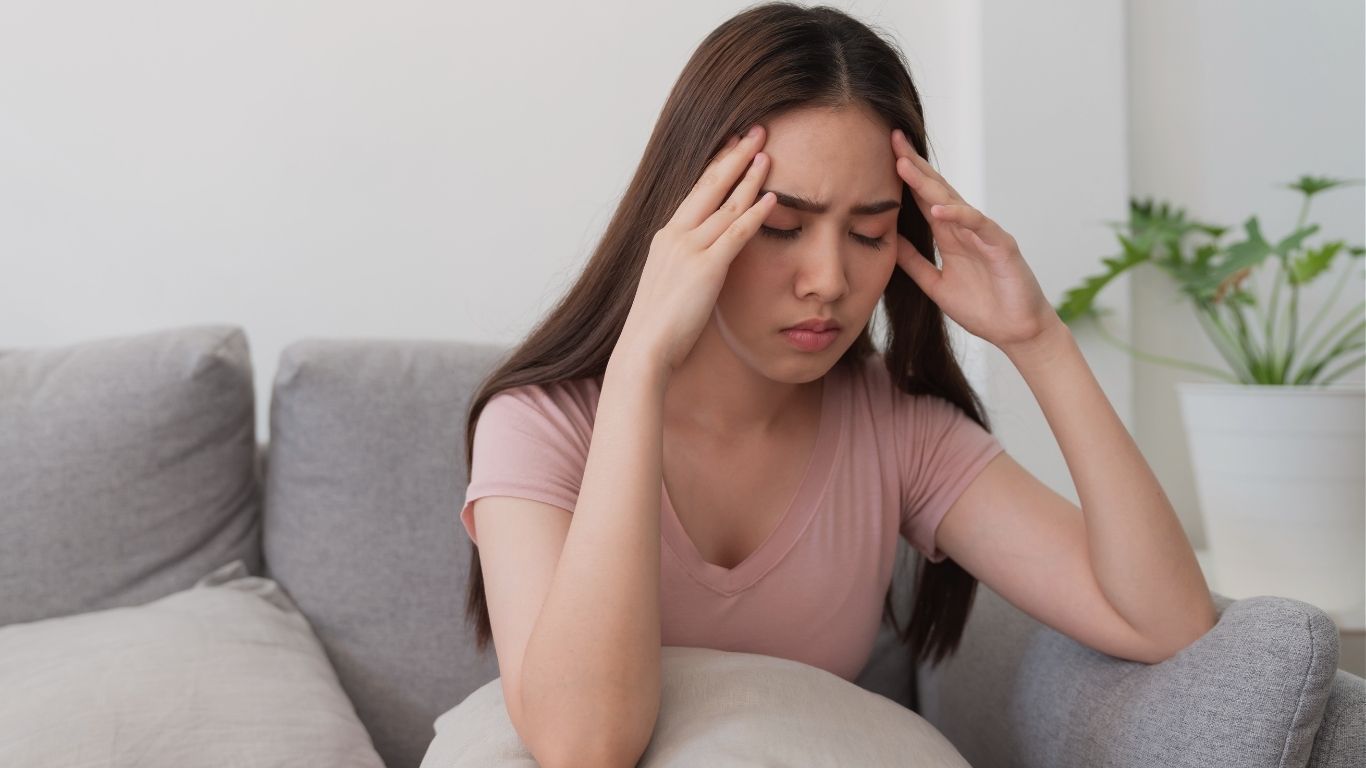
Physical symptoms are often the most noticeable. Many people experience tension headaches or frequent migraines, feeling as though a tight band is squeezing their skull. Muscle tension, especially in the neck, shoulders, and back, is another hallmark, often leading to chronic pain. You might notice a racing heart, sweaty palms, or a dry mouth even in calm situations. Digestive issues are extremely common—nausea, diarrhoea, or constipation can all be stress-driven. Over time, stress can lower your immune response, making you catch every cold or infection that circulates in your office or home.
Cognitive symptoms affect how you think. Concentration becomes difficult; you may find yourself re-reading the same paragraph or forgetting simple appointments. Racing thoughts and constant worry make it hard to switch off your mind. Poor judgment and a persistent sense of pessimism can creep in. Some people describe a foggy feeling, as if their brain is filled with cotton wool, slowing down every decision.
Emotional symptoms are perhaps the most distressing. Irritability and a short temper are classic signs—you might snap at a family member over a trivial matter. Feelings of being overwhelmed, as though you are drowning in responsibilities, are common. Anxiety, restlessness, and a lack of motivation can evolve into a low-level depression. There is often a sense of loneliness or isolation, even when surrounded by people.
Behavioural symptoms are what others might notice about you first. Changes in appetite—eating too much or too little—are frequent. Procrastination and neglecting responsibilities become habits. You might withdraw from social activities, increase your use of alcohol, cigarettes, or recreational drugs, or display nervous habits like nail biting, pacing, or fidgeting.
Exploring the Causes: Why One Person’s Stress is Another’s Challenge
The causes of stress are deeply personal. What feels catastrophic to one person might be an exciting challenge to another. However, certain triggers are almost universally recognised as potential stressors. These can be grouped into external and internal causes.
External causes come from your environment and life circumstances. Major life changes top the list, even positive ones like a wedding, a new baby, or a job promotion. Negative events like divorce, the death of a loved one, or losing a job are even more potent triggers. Work-related stress is a modern epidemic: long hours, job insecurity, high demands with low control, and workplace conflicts all contribute. Financial problems, including debt or unexpected expenses, create a constant low-level hum of worry. Daily hassles—traffic, lost keys, noisy neighbours—accumulate like drops of water that eventually make the bucket overflow. Family and relationship difficulties, caring for an elderly or sick relative, and chronic illness in yourself or a loved one are long-term stressors that wear down resilience.
Internal causes are rooted in your personality and thought patterns. Perfectionism, for instance, sets impossibly high standards, guaranteeing frequent feelings of failure. A negative self-talk habit—constantly criticising yourself—amplifies every small mistake. Inability to tolerate uncertainty, rigid thinking, and a pessimistic worldview can turn neutral events into stressful ones. Your genetic makeup and early life experiences also play a role: childhood trauma or neglect can lower your stress threshold for life.
The Effects on Body and Mind: When Stress Becomes Destructive
Short-term stress is manageable. Your body returns to its baseline once the threat passes. Chronic stress, however, keeps your body in a constant state of high alert. This prolonged activation has serious, wide-ranging effects.
On the cardiovascular system, chronic stress raises blood pressure and heart rate, increasing the risk of hypertension, heart attack, and stroke. Stress hormones like cortisol and adrenaline cause inflammation in the arteries, paving the way for atherosclerosis. The immune system takes a dual hit: while short-term stress can actually boost immunity for a quick response, long-term stress suppresses it, making you more susceptible to infections. Wound healing slows down, and autoimmune diseases may flare up.
The digestive system suffers as well. Stress diverts blood flow away from the stomach and intestines, leading to indigestion, acid reflux, and altered bowel habits. Conditions like irritable bowel syndrome (IBS) are strongly linked to stress. The reproductive system is not spared; women may experience irregular or painful periods, while men may face erectile dysfunction or reduced sperm production. Libido often plummets on both sides.
Mental health effects are profound. Chronic stress is a major risk factor for anxiety disorders and major depressive disorder. It can worsen existing conditions like obsessive-compulsive disorder or post-traumatic stress disorder. Sleep is almost always disrupted, creating a vicious cycle: lack of sleep increases stress, and stress makes it harder to sleep. Over time, stress can even shrink the prefrontal cortex, the part of your brain responsible for memory and decision-making, while enlarging the amygdala, the fear centre. This explains why highly stressed individuals often feel more anxious and less capable of rational thought.
Prevention: Building a Fortress of Resilience
Preventing stress does not mean eliminating all challenges from life—that is neither possible nor desirable. Instead, prevention focuses on building resilience: your ability to bounce back from adversity. The most effective strategies are lifestyle-based and surprisingly simple, though they require consistent practice.
Regular physical activity is one of the most powerful stress preventatives. Exercise lowers cortisol levels and releases endorphins, the body’s natural mood lifters. You do not need a gym membership. A brisk thirty-minute walk, a dance session in your living room, or even gardening can work wonders. The key is consistency, not intensity.
Sleep hygiene cannot be overstated. Adults need seven to nine hours of quality sleep per night. Create a wind-down routine: dim the lights, put away screens an hour before bed, and keep your bedroom cool and dark. Your brain uses sleep to process emotions and reset stress responses. Without it, you are fighting an uphill battle.
Nutrition plays a supporting role. A diet rich in whole foods—vegetables, fruits, lean proteins, and whole grains—stabilises blood sugar and mood. Excessive caffeine and sugar mimic stress responses in the body, so reducing them helps. Staying hydrated is equally important, as even mild dehydration can raise cortisol levels.
Social connection is a natural buffer against stress. Nurture a few close relationships where you can speak honestly about your worries. Isolation magnifies stress, while a kind word or a shared laugh can dissolve it. Do not underestimate the power of belonging to a community, whether through family, friends, religious groups, or hobby clubs.
Time management and boundaries are practical prevention tools. Learn to say no to non-essential commitments. Use a planner to break large tasks into smaller, manageable steps. Build white space into your day—unscheduled time where you can breathe. Mindfulness practices like meditation, deep breathing, or progressive muscle relaxation train your nervous system to remain calm. Even five minutes of focused breathing in the morning can shift your stress baseline over weeks and months.
A Note on Homeopathic Treatment for Stress
Homeopathy is a system of alternative medicine developed in the late 18th century by Samuel Hahnemann. It is based on the principle of “like cures like”—a substance that causes symptoms in a healthy person can, in minute doses, treat similar symptoms in a sick person. Homeopathic remedies are highly diluted, often to the point where no molecules of the original substance remain. For this reason, mainstream medical science considers them to work via placebo effect. However, many individuals report significant relief from stress-related symptoms using homeopathy, and its gentle, non-toxic nature appeals to those seeking natural approaches.
If you choose to explore homeopathic treatment for stress, it is best to consult a qualified homeopath who will take an extremely detailed case history, considering your unique symptom picture, personality, and triggers. That said, here are several commonly indicated homeopathic remedies for different stress patterns. Remember, these are not a substitute for professional medical advice, and self-prescribing is not recommended for chronic or severe stress.
Aconitum napellus is often used for sudden, intense panic or fear following a shock or fright. The person needing Aconite might wake in the night with a racing heart, feeling as though something terrible is about to happen. They are restless, anxious, and may feel worse in a warm room or in the evening.
Argentum nitricum suits individuals who are impulsive and anxious about upcoming events, especially exams, public speaking, or appointments. They may have a strong craving for sweets or salt and experience digestive issues like diarrhoea from anticipation. They feel better in cool, open air and worse in warm stuffy rooms.
Gelsemium is for the person who feels weak, trembling, and drowsy before a stressful event. They may have a heavy feeling in their eyelids and limbs, along with diarrhoea from nerves. Unlike Aconite’s intense panic, Gelsemium’s stress is more of a paralysis—they feel unable to cope, wanting only to be left alone. They may even develop a dull headache at the back of the head.
Ignatia amara is the classic remedy for stress following grief, disappointment, or emotional shock. The person bursts into tears easily but also laughs inappropriately. They may sigh frequently, feel a lump in the throat, and have contradictory symptoms—for example, feeling better while eating but worse after. They are sensitive, moody, and tend to internalise their feelings.
Kali phosphoricum is a great remedy for mental exhaustion from overwork or prolonged stress. The person feels deeply tired, irritable, and forgetful. They have difficulty concentrating and may become indifferent to things they once enjoyed. Physical symptoms include acne, hair loss, and sensitive hearing. This remedy is often considered a nerve nutrient in homeopathy.
Lycopodium clavatum helps those who dread responsibility but seek positions of authority. They are anxious about failure, especially before a performance or meeting, yet they become bossy at home. Stress may cause digestive bloating and a ravenous appetite. They feel worse between 4 and 8 PM and better from warm food and drinks.
Natrum muriaticum is indicated for people who bottle up their emotions, especially after grief or a romantic disappointment. They dislike consolation and prefer to cry alone. Their stress manifests as a craving for salt, dry lips, and headaches from reading or sunlight. They are introverted, serious, and hold grudges.
Pulsatilla is for gentle, yielding people who become weepy and needy when stressed. They want comfort and company, unlike Natrum muriaticum. They are changeable in mood and symptoms, worse in warm rooms, and better in cool, open air. They often have no thirst and crave fresh air.
Important Considerations Before Using Homeopathy
While homeopathic remedies are generally safe due to their high dilution, they are not a cure-all. Severe stress, especially with suicidal thoughts, panic attacks that interfere with daily functioning, or symptoms of major depression, requires immediate attention from a medical doctor or mental health professional. Homeopathy can be used alongside conventional treatment, but it should never replace evidence-based therapies when they are needed.
Furthermore, the effectiveness of homeopathy remains controversial. Most large-scale scientific reviews conclude that any benefits are due to placebo, counselling effects, or natural recovery over time. Yet many people report subjective improvements. If you choose this path, do so with open eyes: monitor your symptoms honestly, and if you do not see improvement within a reasonable time, seek other forms of help.
1 thought on “Homeopathic Remedies for Stress”