Understanding Vertigo: Symptoms, Causes, Effects, Prevention and Homeopathic Remedies for Vertigo
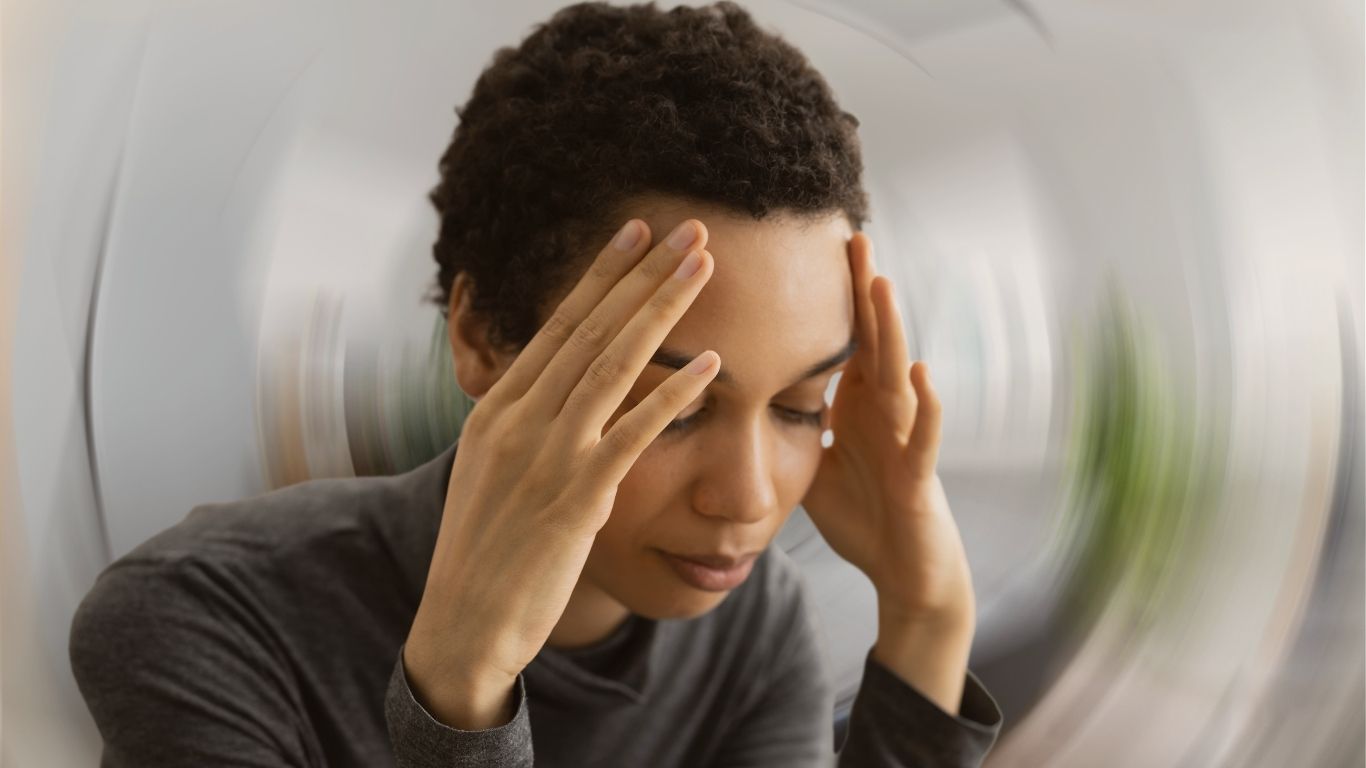
Vertigo is one of those medical conditions that is frequently misunderstood. Most people use the word “dizziness” to describe any feeling of unsteadiness, but vertigo is a specific and often distressing sensation. Imagine stepping off a merry-go-round that refuses to stop spinning, or feeling as though the floor beneath you has turned into a swaying ship’s deck—even when you are sitting perfectly still. That is vertigo. It is not a fear of heights, though that phobia shares the same Latin root. Rather, it is a false sense of movement, usually rotational, that can leave a person disoriented, nauseated, and anxious. In this article, we will explore vertigo in depth: its symptoms, the underlying causes, the ripple effects it has on daily life, prevention strategies, and finally, the homeopathic approach to managing this challenging condition.
What Exactly Is Vertigo?
Vertigo is a symptom, not a disease itself. It arises from a mismatch of signals in the brain’s balance centers. Our sense of equilibrium depends on three systems: the visual system (eyes), the proprioceptive system (sensors in joints and muscles), and the vestibular system (the inner ear and its connections to the brainstem). When the vestibular system sends incorrect signals—for instance, indicating rotation when there is none—vertigo occurs. It can be peripheral (originating in the inner ear) or central (originating in the brainstem or cerebellum). Peripheral vertigo is far more common and tends to be more intense, while central vertigo, though rarer, often points to more serious neurological issues.
Symptoms of Vertigo: Recognizing the Spin
The hallmark symptom of vertigo is the illusion of movement. People describe it as the room spinning around them, or themselves spinning inside a stationary room. However, vertigo rarely travels alone. It brings a cluster of accompanying symptoms that can vary in intensity from a fleeting nuisance to a debilitating episode.
Common symptoms include:
Nausea and vomiting – The brain interprets conflicting balance signals as a possible toxin, triggering the vomiting center. Many patients report that severe vertigo leaves them unable to keep food or water down.
Nystagmus – This is an involuntary, rhythmic jerking of the eyes. A doctor can often diagnose the type of vertigo just by observing the direction and pattern of nystagmus.
Sweating and pallor – The autonomic nervous system reacts to the perceived disorientation, leading to cold sweats and a pale complexion.
Tinnitus or ear fullness – Especially in conditions like Meniere’s disease, ringing, roaring, or a feeling of pressure in one ear accompanies the spinning.
Balance difficulties – Walking in a straight line becomes a challenge. Patients often veer to one side and may need to hold onto walls or furniture.
Headaches or sensitivity to light and sound – This can overlap with vestibular migraines.
A feeling of being “pulled” to one side – Some individuals describe an invisible force dragging them toward the floor or a wall.
The duration of symptoms is a critical clue. Benign Paroxysmal Positional Vertigo (BPPV) typically lasts less than a minute. Meniere’s disease episodes can stretch from 20 minutes to several hours. Vestibular neuritis may cause continuous vertigo for days, gradually improving over weeks.
Causes of Vertigo: From Inner Ear Pebbles to Brain Disorders
Understanding the cause of vertigo is essential for effective treatment. The origins fall into two broad categories.
Peripheral Causes (Inner Ear)
-
Benign Paroxysmal Positional Vertigo (BPPP) – This is the most common cause. Tiny calcium carbonate crystals called otoconia, normally embedded in the utricle, break loose and drift into one of the semicircular canals. When you change head position—rolling over in bed, looking up, or bending forward—these crystals move, creating false fluid movements that trick the brain into sensing rotation. BPPV is often age-related, but it can follow a head injury or prolonged bed rest.
-
Meniere’s Disease – A chronic condition characterized by fluctuating hearing loss, roaring tinnitus, a feeling of ear fullness, and recurrent vertigo attacks lasting hours. The exact mechanism is not fully understood, but it involves abnormal buildup of endolymph fluid in the inner ear.
-
Vestibular Neuritis (or Labyrinthitis) – Usually viral in origin. Inflammation of the vestibular nerve (or both the vestibular and cochlear nerves in labyrinthitis) causes sudden, severe, continuous vertigo for days. It often follows an upper respiratory infection.
-
Perilymph Fistula – An abnormal opening between the middle and inner ear, allowing fluid to leak. This can occur after head trauma, barotrauma (scuba diving, explosive loud noise), or sometimes spontaneously. Vertigo is triggered by coughing, sneezing, or straining.
Central Causes (Brain)
-
Vestibular Migraine – Up to 40% of migraine sufferers experience vertigo as a primary symptom, sometimes without a headache. The spinning episodes can last minutes to days and are often accompanied by light sensitivity and visual auras.
-
Cerebellar or Brainstem Stroke – Though less common, a stroke in the posterior circulation can present with acute vertigo, double vision, slurred speech, limb weakness, or ataxia. This is a medical emergency.
-
Multiple Sclerosis – Demyelinating plaques affecting the brainstem or cerebellar pathways can cause vertigo, often with other neurological signs.
-
Acoustic Neuroma – A benign tumor on the vestibular nerve, growing slowly, may cause progressive unilateral hearing loss and intermittent vertigo.
Other contributors include certain medications (aminoglycoside antibiotics, some diuretics, and chemotherapy drugs), alcohol intoxication, and severe anemia.
Effects of Vertigo on Daily Life and Mental Health
Living with recurrent or chronic vertigo extends far beyond the physical sensation of spinning. The ripple effects touch nearly every aspect of a person’s world.
Physical consequences – Falls are the most immediate danger. A vertigo attack while standing on stairs, driving, or even walking to the bathroom can lead to fractures, head injuries, or worse. Over time, some individuals develop a persistent unsteadiness even between attacks, leading to muscle weakness and deconditioning from reduced activity.
Psychological toll – Fear becomes a constant companion. The anxiety of not knowing when the next episode will strike can lead to hypervigilance. Many patients develop agoraphobia—avoiding supermarkets, bridges, open spaces, or any environment where a sudden vertigo spell would be embarrassing or dangerous. Depression is common, with feelings of hopelessness and loss of independence.
Social isolation – Turning down invitations, leaving events early, or avoiding travel strains relationships. Family members may not understand why a seemingly healthy person suddenly cannot attend a child’s school play or join a dinner out.
Occupational impact – Jobs that require driving, operating machinery, working at heights, or even prolonged computer use become impossible for some. Frequent sick days can lead to job loss. Professionals such as pilots, construction workers, and long-haul truck drivers may need to change careers entirely.
Cognitive fatigue – The brain works overtime to compensate for faulty balance signals. This “vestibular load” leads to mental exhaustion, poor concentration, and memory lapses, sometimes misdiagnosed as early dementia in older adults.
Prevention Strategies for Vertigo
Not all causes of vertigo are preventable, but several practical steps can reduce the frequency and severity of attacks.
For BPPV – Avoid sudden head movements, especially looking up to a high shelf or lying back quickly in a salon shampoo chair. Sleep with your head slightly elevated on two pillows. Learn and practice the Epley maneuver at home (after proper instruction from a physical therapist) to reposition dislodged crystals.
For Meniere’s disease – A low-sodium diet (under 1,500 mg per day) is the cornerstone of prevention. Avoid caffeine, alcohol, and tobacco, as they can trigger attacks. Manage stress with regular sleep and relaxation techniques.
For vestibular migraines – Identify food triggers (aged cheese, red wine, chocolate, processed meats) and lifestyle triggers (irregular meals, weather changes, hormonal fluctuations). An ounce of prevention is worth a pound of cure.
General measures – Stay well hydrated; dehydration thickens inner ear fluids. Treat upper respiratory infections promptly, as they can spread to the inner ear. Use protective headgear for sports like cycling or skiing to prevent concussions. If you take ototoxic medications, discuss alternatives with your doctor. Regular vestibular rehabilitation exercises, prescribed by a physiotherapist, can retrain the brain to compensate for inner ear deficits.
Homeopathic Remedies for Vertigo
Homeopathy offers a constitutional and symptom-specific approach to vertigo. It is important to note that homeopathy does not replace emergency medical care—especially for sudden, severe vertigo with stroke-like symptoms. However, for chronic, recurrent, or functional vertigo, many patients find significant relief with properly selected homeopathic remedies. The principle is “like cures like” in microdoses.
Below are several well-researched homeopathic remedies commonly indicated for vertigo, along with the specific symptom picture each one matches.
Conium maculatum (Hemlock) – This is a top remedy for vertigo that occurs when lying down in bed, turning over in bed, or looking up. The person feels as if they are falling to the left side. There is often a sensation of a band around the forehead. Conium is especially useful for elderly individuals or those recovering from a head injury or stroke. Vertigo is worse from turning the head and better from keeping absolutely still and closing the eyes.
Cocculus indicus (Indian cockle) – Indicated for vertigo that is brought on by riding in a car, train, boat, or airplane—basically, motion sickness type. The person feels so nauseated that even the thought of food turns the stomach. There is a hollow, drowsy feeling, and the vertigo worsens when standing up from sitting. Cocculus patients are often exhausted from loss of sleep or long-term caregiving.
Belladonna (Deadly nightshade) – For sudden, violent, intense vertigo that comes on rapidly. The head feels hot and throbbing, and the face is red and flushed. The person may be oversensitive to light, noise, and jarring. Vertigo is worse from lying down and from any motion, but especially from looking upwards. This remedy suits an acute attack with a feeling of fullness in the head.
Gelsemium sempervirens (Yellow jasmine) – When the vertigo is accompanied by profound muscular weakness, trembling, and heavy eyelids. The person feels dull, drowsy, and wants to be left alone. Vertigo is worse from heat, excitement, or anticipation. There is often a band-like sensation around the head, and the gait is unsteady as if drunk. Gelsemium is excellent for vertigo before a migraine or during a flu-like illness.
Bryonia alba (Wild hops) – Vertigo that is worse from the slightest movement—even moving the eyes. The person wants to lie perfectly still, preferably in a dark, quiet room. Any attempt to sit up or walk increases the spinning. There is often a bursting headache and a dry mouth with intense thirst for large amounts of cold water at long intervals.
Tabacum (Tobacco plant) – For overwhelming vertigo with extreme nausea, vomiting, and cold sweats. The person feels as if they might faint. The face is pale, and the skin is clammy. Vertigo is worse from opening the eyes or from lying on the back. Relief comes from uncovering the abdomen and from cold air on the face.
Calcarea carbonica (Oyster shell) – For chronic, recurring vertigo in people who are chilly, easily fatigued, and prone to sweating on the head at night. Vertigo occurs especially when going upstairs, walking quickly, or looking up. These individuals tend to be overweight, flabby, and anxious about their health.
How homeopathy is used – In acute episodes, a low potency like 30C can be taken every 15 to 30 minutes for up to three or four doses until improvement begins. For chronic, recurrent vertigo, a constitutional remedy selected by a professional homeopath (after detailed case-taking) is taken once daily or less frequently. It is crucial not to self-prescribe based solely on a list of symptoms; each remedy matches a unique pattern. A homeopath will consider factors like body temperature, food cravings, emotional state, and sleep posture.
Importantly, homeopathic remedies are generally safe, have no known drug interactions, and can be used alongside conventional treatments such as the Epley maneuver, antihistamines (meclizine), or vestibular rehabilitation. However, they are not a substitute for diagnostic imaging or standard medical evaluation when red flags are present—such as double vision, difficulty speaking, or inability to walk even with support.
When to See a Doctor
While many cases of vertigo resolve on their own or respond to home care, certain warning signs demand immediate medical attention. If vertigo is accompanied by sudden severe headache, facial droop, arm or leg weakness, slurred speech, double vision, or trouble swallowing, call emergency services. Also seek urgent evaluation if vertigo follows a head injury or is associated with chest pain, palpitations, or fainting.
For less urgent but persistent vertigo—lasting more than a few days, recurring frequently, or causing falls—consult an ENT specialist or neurologist. A proper diagnosis ensures that serious causes like acoustic neuroma or multiple sclerosis are not missed.

2 thoughts on “Homeopathic Remedies for Vertigo”