Homeopathic Remedy Pulsatilla: The Wind Flower of Changing Symptoms
In the vast landscape of homeopathic medicine, few remedies possess the gentle yet profound character of Pulsatilla. Derived from a graceful wildflower known as the wind flower or pasque flower, this remedy is often described as the quintessential medicine for those who are mild, yielding, and emotionally sensitive. Unlike the aggressive energy of a remedy like Nux vomica or the fiery intensity of Sulphur, Pulsatilla carries a soft, mutable quality that mirrors the plant’s tendency to bow and sway with the breeze. To understand Pulsatilla is to understand the art of individualization in homeopathy—where a person’s emotional state, physical reactions, and even the ever-changing nature of their symptoms guide the path to healing.
Origin and Botanical Description
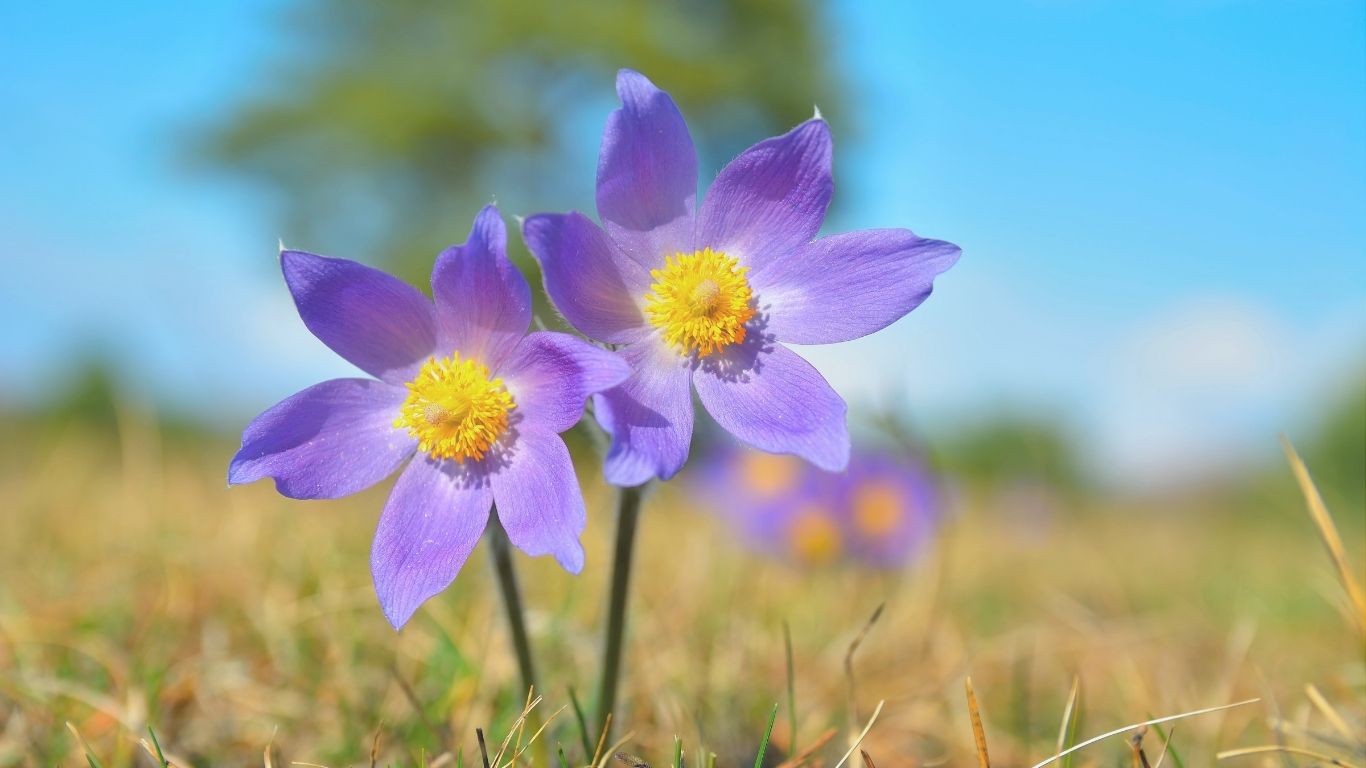
Pulsatilla pratensis, also known as Pulsatilla nigricans, belongs to the Ranunculaceae (buttercup) family. The plant is native to much of Europe, including meadows, dry slopes, and sunny grasslands. It is a perennial herb that grows low to the ground, typically reaching only six to twelve inches in height. One of its most striking features is its flower: a solitary, bell-shaped, violet-blue or deep purple bloom that appears in early spring. The entire plant is covered in soft, silky hairs, giving it a downy appearance. After flowering, the plant develops feathery, plume-like seed heads that resemble wisps of smoke or old man’s beard, which is why it is sometimes called “prairie smoke” in North American varieties.
The name Pulsatilla comes from the Latin pulsare, meaning “to beat” or “to set in motion,” referring to the flower’s nodding head that trembles in the slightest wind. In folklore, the pasque flower was associated with Easter (from the Hebrew pesach) and was believed to spring from the blood of Roman soldiers or to be a protector against evil spirits. Despite its delicate beauty, the fresh plant is acrid and toxic, containing protoanemonin, an irritant that can cause blistering of the skin and mucous membranes. This toxic potency is precisely what, through homeopathic dilution, becomes a powerful healing agent.
Extraction and Preparation in Homeopathy
The journey from toxic wildflower to gentle homeopathic remedy follows a meticulous process outlined in the Homeopathic Pharmacopoeia. Only the fresh, whole plant, gathered at the time of flowering, is used. The plant is harvested in the early morning, before the heat of the day diminishes its volatile components, and it is immediately processed to prevent decay.
First, the fresh herb is chopped and macerated in a mixture of distilled water and alcohol (usually 90% ethanol) to create the mother tincture (denoted as Ø). This tincture sits for several weeks, with periodic shaking, allowing the plant’s soluble principles to be extracted. The mother tincture of Pulsatilla has a greenish-brown color and a bitter, slightly acrid taste.
From this mother tincture, homeopathic potencies are produced through serial dilution and succussion (vigorous shaking). The most common potencies are prepared according to the decimal (X) or centesimal (C) scales:
A 1X potency means one part mother tincture diluted with nine parts alcohol and succussed.
A 1C potency means one part mother tincture diluted with ninety-nine parts alcohol and succussed.
This process repeats to achieve higher potencies: 6C, 30C, 200C, 1M, 10M, and beyond. At the 12C potency and above, not a single molecule of the original plant material remains. Yet homeopaths believe the energetic imprint or “vital essence” of the substance, amplified through succussion, remains therapeutically active. Pulsatilla is also available in low triturations (e.g., 3X, 6X), where the substance is ground with lactose sugar for solid doses.
Core Symptoms and the Pulsatilla Personality
No discussion of Pulsatilla is complete without describing the constitutional picture. This remedy is not for everyone; it is specifically indicated for individuals with a characteristic set of physical and emotional traits.
Emotional and Mental State: The classic Pulsatilla patient is mild, gentle, yielding, and often tearful. They are soft-spoken, shy, and crave reassurance and sympathy. They are easily discouraged but not angry; when upset, they weep rather than rage. They have a strong fear of being alone and often feel better in the company of others. Their mood is changeable—one moment sad, the next cheerful—but never harsh. Children needing Pulsatilla are often clingy, whiny, and want to be held or carried. They lack thirst, even with fever, and dislike rich, fatty foods.
Modalities (What makes symptoms better or worse):
-
Better: Open, cool, fresh air. Gentle motion (rocking, slow walking). Cold drinks or cold applications (paradoxically, they are not thirsty). Sympathy and consolation.
-
Worse: Warm, stuffy rooms. Rich, greasy foods. Heat in any form. Lying down with head low. After eating. Late afternoon and evening.
Generals: The patient is often fair-skinned, with blond or light brown hair, blue eyes, and a tendency to blush easily. They have a low thirst, even with fever or illness. Discharges from the eyes, nose, or vagina are thick, creamy, yellow-green, and non-irritating. Symptoms change location rapidly—a headache moves from the forehead to the back of the head, or joint pain shifts from one knee to the other.
Uses and Therapeutic Indications
Pulsatilla is a polychrest (a remedy of wide application), and its uses span many body systems. Below are its key clinical indications.
Respiratory Conditions: Pulsatilla excels in colds, sinusitis, and coughs that begin after exposure to damp, cold weather or when the patient has been emotionally upset. The nasal discharge is thick, yellow-green, and bland (non-burning). There is loss of smell and taste. Cough is dry in the evening but loose with greenish phlegm in the morning. The patient feels worse in a warm room and insists on having windows open. Pertussis (whooping cough) in mild, tearful children often responds to Pulsatilla, especially when the cough leads to gagging and vomiting of thick mucus.
Ear Infections (Otitis Media): One of the most common uses is for acute suppurative otitis media in children. The ear pain is worse at night and in warm rooms, better from cool air and cold compresses. The discharge from the ear is thick, yellow, odorless, and non-irritating. The child is clingy, weepy, and wants to be carried.
Eye Conditions: Conjunctivitis with thick, yellow, non-acrid discharge. Styes that recur. The eyes feel dry, but the discharge is heavy upon waking, often gluing the eyelids shut. The patient cannot tolerate warm applications; they prefer cold compresses.
Digestive Issues: Indigestion after eating rich, fatty foods, ice cream, or pastries. The tongue is coated with a thick white or yellowish fur. The taste is pasty, and there is a sense of weight and pressure in the stomach after meals. Diarrhea is painless, worse at night, and may alternate with constipation. Hemorrhoids that are better from cold water applications.
Female Reproductive System: Pulsatilla is a leading remedy for menstrual and hormonal disorders. Periods are late, scanty, or suppressed, often due to emotional upset or getting feet wet in cold water. The flow is dark, clotted, and changeable—stops and starts. There is a feeling of heaviness in the lower abdomen. Dysmenorrhea with bearing-down pains that are worse from heat and better from cool air. Pre-menstrual syndrome with weepiness, mood swings, and lack of thirst. Delayed puberty or suppressed lactation after childbirth. Vaginal discharge (leucorrhea) that is thick, creamy, white or yellow, and non-irritating. Morning sickness in pregnancy when the woman desires cool air and cold drinks but has no real thirst.
Urinary Disorders: Cystitis with a frequent urge to urinate but passing only small amounts. The urine is thick, cloudy, and sometimes contains mucus. The patient is worse in warm rooms and better from cool air.
Joint and Muscle Pain: Rheumatism that flits from joint to joint (migratory). Pain is worse from heat and rest, better from slow motion and cool applications. The joints are not red or swollen but ache deeply.
Fever: In childhood fevers, especially measles, mumps, or chickenpox. The fever is worse in the evening and in stuffy rooms. The child has no thirst, is weepy, and wants to be fanned or taken outside. After fever, the child remains irritable and needy.
Dosages and Potencies
The choice of potency depends on the patient, the acuteness of the condition, and the prescriber’s philosophy.
Low Potencies (6X, 6C, 12X): Used for acute, localized complaints such as a simple cold, mild earache, or indigestion. Dose: 3 to 5 pellets or liquid drops, repeated every 2 to 4 hours until improvement, then stop.
Medium Potencies (30C, 200C): For more intense acute conditions (e.g., acute sinusitis, otitis media with discharge) or for constitutional treatment of a clear Pulsatilla personality. A single dose of 30C may be repeated once every 6 to 12 hours. The 200C potency is usually given once or twice only, with careful observation.
High Potencies (1M, 10M, 50M): Reserved for deep-seated, chronic conditions or constitutional prescribing by experienced homeopaths. These are rarely repeated and should never be self-prescribed.
Important: In homeopathy, aggravation (temporary worsening of symptoms) is possible if a remedy is repeated too often. As a rule, stop dosing once improvement begins. Pulsatilla works gently, and overuse can confuse the symptom picture.
Side Effects and Safety Considerations
Because homeopathic Pulsatilla is highly diluted, it is generally free from direct toxic side effects. The original plant’s acrid properties are absent in potencies above 3X. However, there are important cautions:
Initial Aggravation: In sensitive individuals, even a 30C potency may produce a mild, temporary worsening of existing symptoms (e.g., slightly increased discharge or tearfulness). This usually subsides within hours and is considered a positive healing response.
Incorrect Prescribing: Giving Pulsatilla to someone who does not match its picture (e.g., a person with great thirst, anger, or who is better from heat) will produce no effect at best, or at worst, a confused symptom picture. This is not toxicity but homeopathic “proving.”
Drug Interactions: Homeopathic remedies do not chemically interact with conventional drugs. However, strong substances like camphor, mint, coffee, and eucalyptus in large amounts are believed by some homeopaths to antidote (neutralize) the remedy’s action. It is advisable to avoid strong mint toothpaste or coffee for 15 minutes before and after taking the remedy.
Allergic Reactions: Extremely rare. The lactose pellets may be unsuitable for those with severe lactose intolerance; liquid forms (in alcohol or water) are available.
Prevention and Prophylactic Use
Pulsatilla is not typically used as a vaccine substitute, but it has a role in preventing recurrent conditions in predisposed individuals.
Recurrent Ear Infections: In a child with the classic Pulsatilla personality who gets otitis media every time they catch a mild cold or spend time in a heated room, a weekly dose of Pulsatilla 30C during the winter months may reduce frequency.
Cold and Flu Susceptibility: For those who always develop thick, yellow-green nasal discharge after getting chilled or emotionally upset, taking Pulsatilla 30C at the very first sign of nose stuffiness can abort the full cold.
Motion Sickness Prevention: The Pulsatilla individual who feels nauseous in stuffy cars but fine with windows open may benefit from one dose of Pulsatilla 30C thirty minutes before travel.
Suppressed Menses: If menstruation is delayed due to getting feet wet in cold weather or a fright, a single dose of Pulsatilla 30C can help restore the natural rhythm.
Comparisons with Other Homeopathic Remedies
Understanding Pulsatilla is easier when contrasted with similar remedies.
Pulsatilla vs. Sulphur: Both are polychrests, but they are almost opposites. Sulphur patients are warm, love open air but are worse from heat, yet they are self-centered, philosophical, untidy, and have a great thirst. Pulsatilla patients are mild, weepy, clingy, and thirstless. Sulphur discharges are burning and excoriating; Pulsatilla discharges are bland.
Pulsatilla vs. Calcarea Carbonica: Both are suited to fair-skinned, chilly individuals. However, Calcarea is sluggish, anxious, worse from cold and damp, and loves eggs and indigestible things (chalk, dirt). Pulsatilla is changeable, worse from heat, craves sympathy, and has no thirst. Calcarea children sweat on the head at night; Pulsatilla children have no thirst even with fever.
Pulsatilla vs. Sepia: Sepia is also a major female remedy, but the Sepia woman is irritable, indifferent to family, feels weighed down, and is worse from consolation. Pulsatilla women are tearful, seek comfort, and are better from sympathy. Sepia has a bearing-down sensation with a feeling that the uterus will fall out; Pulsatilla has a similar heaviness but without the same aversion to loved ones.
Pulsatilla vs. Ignatia Amara: Both deal with emotional sensitivity. Ignatia is for acute grief, silent weeping, sighing, and hysterical reactions with contradictory symptoms (e.g., headache better from lying down but worse from motion). Pulsatilla’s weepiness is milder, more constant, and not tied to a specific shock. Ignatia patients are worse from consolation; Pulsatilla patients are better.
Pulsatilla vs. Chamomilla: Both are used for teething and earaches in children. Chamomilla children are angry, demanding, red-faced, and one cheek red, the other pale. They are better from being carried but worse from warmth. Pulsatilla children are weepy, clingy, and not angry. Chamomilla pain is unbearable; Pulsatilla pain is dull and shifting.
Pulsatilla vs. Bryonia: Bryonia is for slow-onset illness with great thirst for large cold drinks, worse from any motion, better from lying still and pressure. Pulsatilla has no thirst, is better from gentle motion and open air, and worse from rest. Both have joint pain, but Bryonia’s is sharp and worse from least movement; Pulsatilla’s is migratory and better from slow motion.

1 thought on “Homeopathic Remedy Pulsatilla”